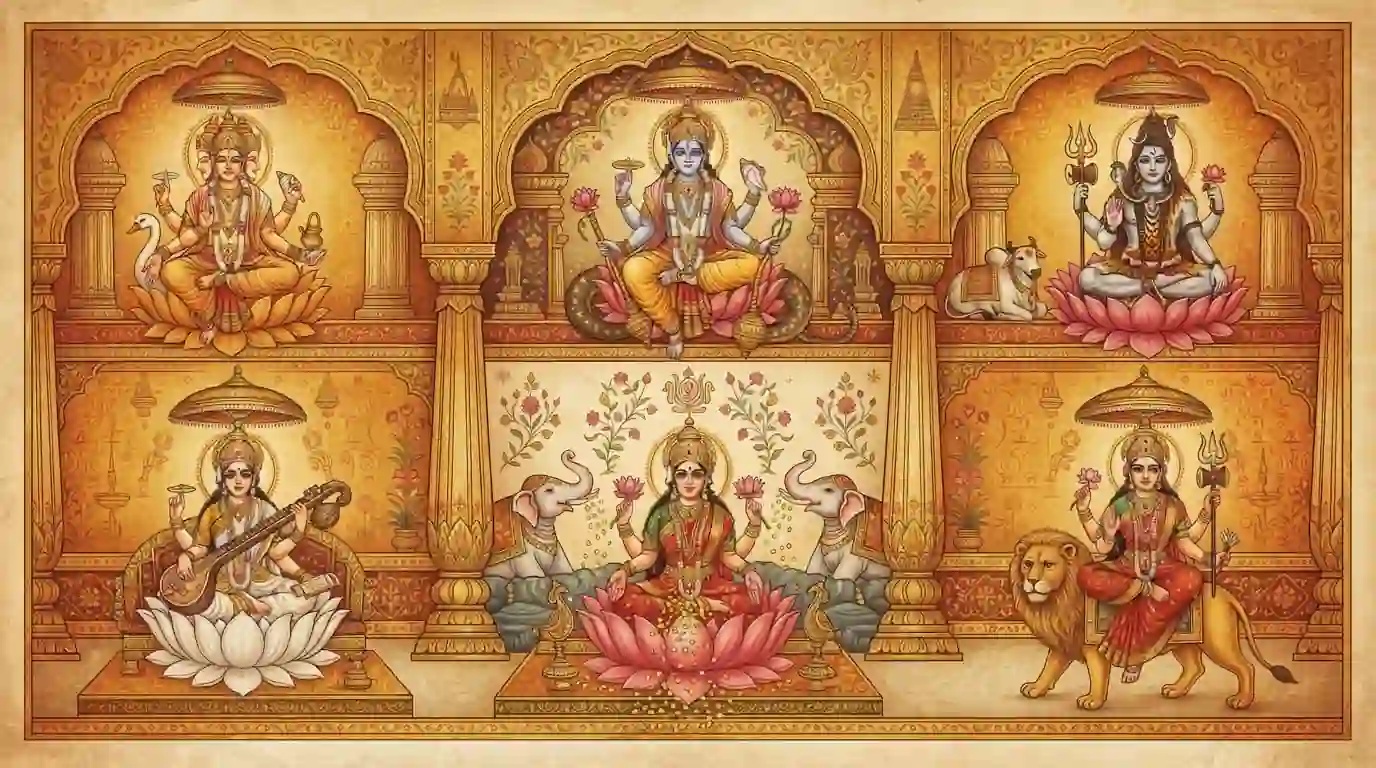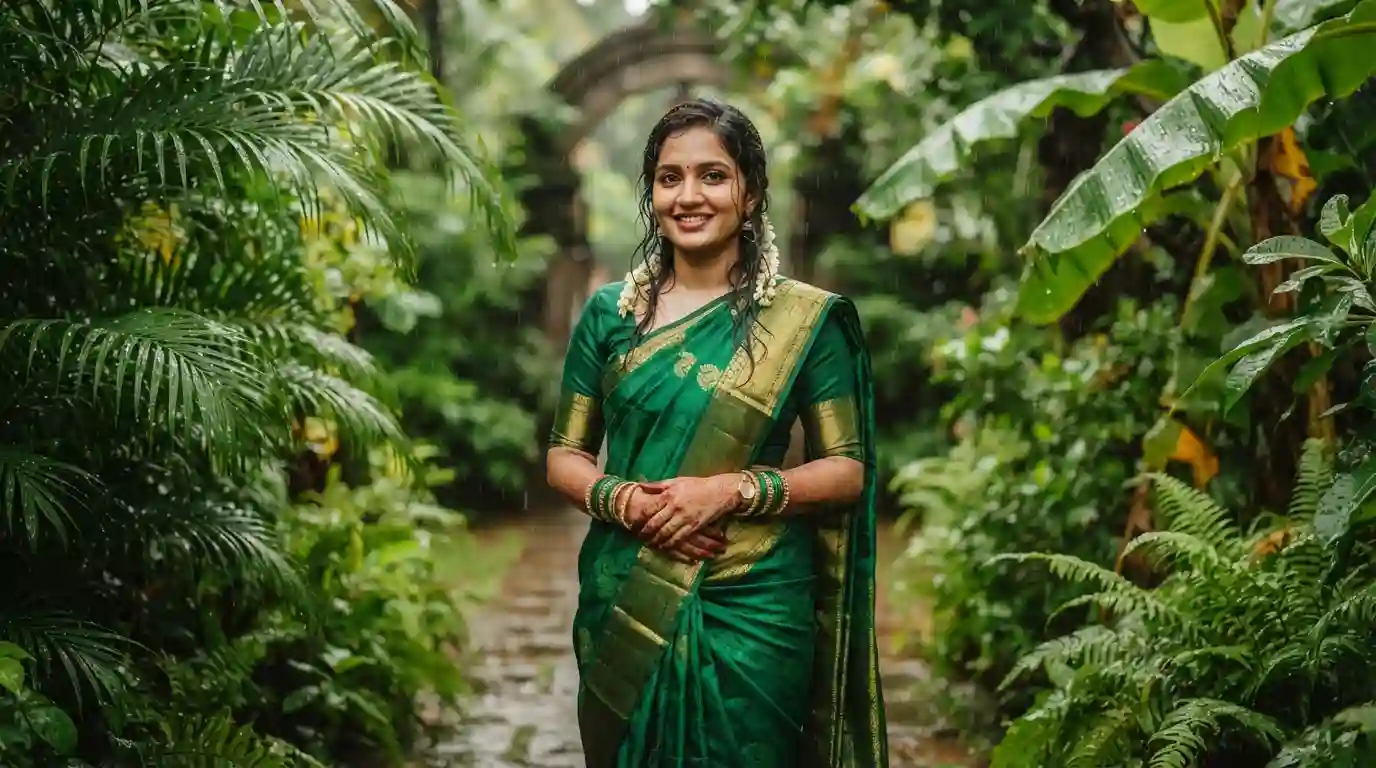
Hariyali Teej 2026: The Untold Reason Why Millions of Women Celebrate This Monsoon Festival
There is a moment every year, somewhere between the first monsoon shower and the smell of wet earth, when green bangles come out of storage, swings appear on banyan trees, and courtyards fill with the sound of Teej folk songs. That moment is Hariyali Teej.
In 2026, Hariyali Teej falls on Saturday, 15 August, arriving during the sacred month of Shravan — a coincidence with India’s Independence Day that makes this year’s celebration feel even more special.
But ask any woman why she fasts on this day, why she wears green, why she swings under a rain-soaked tree, and you’ll hear something deeper than tradition. You’ll hear about patience. About a goddess who waited through 108 lifetimes for the man she loved. About faith that refused to break, even when the universe gave her every reason to give up.
That is the real reason Hariyali Teej is celebrated — and it’s a story every woman, married or not, believer or curious reader, deserves to hear properly. Let’s get into it.
Table of Contents
What is Hariyali Teej?
Hariyali Teej, also known as Sawan Teej, Choti Teej, or Madhusrawa Teej, is one of the most cherished festivals in the Hindu calendar. It falls on the third day (Tritiya) of the bright fortnight (Shukla Paksha) of the holy month of Shravan (Sawan).
The word “Hariyali” means greenery — a nod to the lush monsoon landscape that surrounds the festival. It is primarily observed by married and unmarried Hindu women, who fast, dress in green, decorate their hands with henna, and worship Lord Shiva and Goddess Parvati together, praying for marital happiness, a long life for their husbands, or — for unmarried women — a partner as devoted as Shiva himself.
Hariyali Teej is often compared in importance to Karwa Chauth, and it kicks off a trio of women-centric monsoon festivals, followed later by Kajari Teej and Hartalika Teej.
Hariyali Teej 2026 Date and Puja Timing
Here are the verified Panchang details for Hariyali Teej 2026:
Detail | Timing |
Festival Date | Saturday, 15 August 2026 |
Tritiya Tithi Begins | 06:47 PM, 14 August 2026 |
Tritiya Tithi Ends | 05:29 PM, 15 August 2026 |
Sunrise (15 Aug) | Approx. 06:07 AM |
Sunset (15 Aug) | Approx. 06:54 PM |
Nakshatra | Falls near Independence Day 2026 |
Why is Hariyali Teej Celebrated?
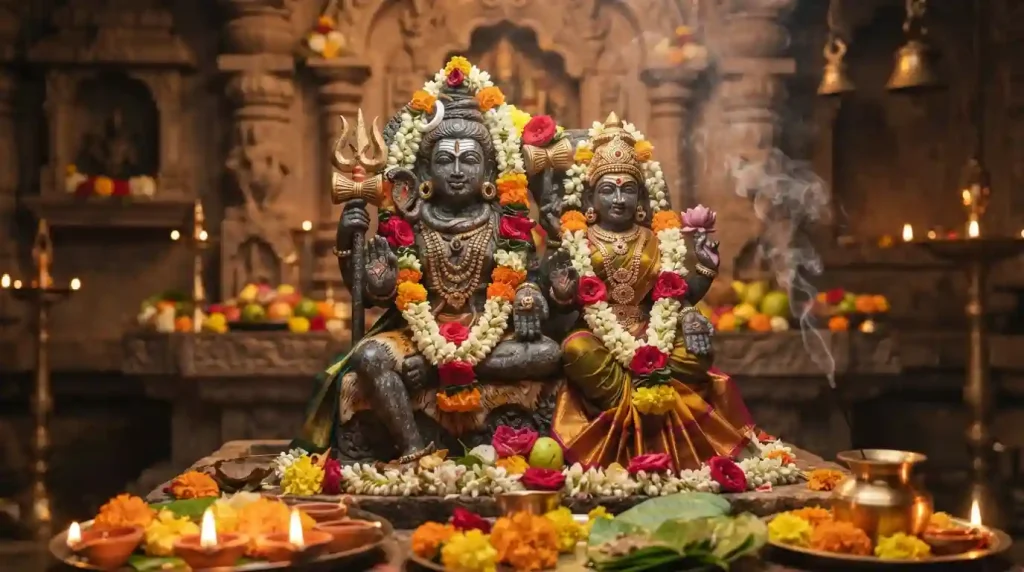
At its heart, Hariyali Teej celebrates one thing: the reunion of Lord Shiva and Goddess Parvati after her long penance to win him as her husband. It is a festival of devotion, patience, and unwavering love.
Women observe this day for several interconnected reasons:
- To seek Lord Shiva’s blessings for a happy, harmonious married life
- To pray for the health and longevity of their husbands
- For unmarried women, to seek a life partner with the qualities of Lord Shiva
- To celebrate womanhood, Shringar, and sisterhood through songs, swings, and gatherings
- To welcome the monsoon season and the greenery it brings to the land
In short, Hariyali Teej isn’t just about ritual — it’s an emotional tribute to the idea that true devotion, however long it takes, is eventually rewarded.
The Story of Goddess Parvati's Penance
According to the Shiva Purana, the story of Hariyali Teej goes back further than most people realize.
Goddess Parvati was not always Parvati. In her earlier form, she was Sati, the daughter of Daksha Prajapati, and the wife of Lord Shiva. When Sati’s father insulted Shiva publicly, unable to bear the humiliation, Sati immolated herself in the sacrificial fire. Devastated, Shiva withdrew into deep meditation, isolating himself from the world.
Sati was reborn as Parvati, daughter of King Himavan (the personification of the Himalayas). But this reunion was not instant. Scriptural tradition holds that Parvati underwent 107 rebirths, and it was only in her 108th incarnation that her tapasya (penance) finally reached fruition.
As Parvati grew up, she never forgot her bond with Shiva. Determined to win him back as her husband, she left the comforts of the palace and retreated into the forest to perform severe penance — surviving on leaves, then eventually nothing at all, standing for days in extreme heat, rain, and cold, completely devoted to Mahadev.
Her resolve was so intense that even the celestial gods were moved. This unwavering devotion is precisely why women observing the Hariyali Teej vrat recite the Vrat Katha — to draw strength from Parvati’s example of patience and faith.
How Lord Shiva Accepted Goddess Parvati
Lord Shiva, still in deep meditative detachment, did not respond to Parvati’s penance immediately. It was only after the gods — worried that the universe needed the union of Shiva and Shakti to maintain cosmic balance — intervened that events moved forward.
Impressed by Parvati’s extraordinary tapasya, Lord Shiva finally appeared before her and accepted her devotion. On the Tritiya of Shukla Paksha in the month of Shravan, Lord Shiva accepted Goddess Parvati as his consort.
This is the exact day now celebrated as Hariyali Teej. Because of this sacred acceptance, Goddess Parvati is affectionately worshipped on this day as “Teej Mata.”
Women believe that just as Parvati’s patience and devotion were rewarded, their own faith, sincerity, and prayers for their relationships will be honored too.
History of Hariyali Teej
Hariyali Teej’s roots trace back to ancient Hindu scriptures, most notably the Shiva Purana and regional folk traditions passed down through generations of North Indian households. While the exact scriptural dating is debated among scholars, the festival’s cultural presence has been documented for centuries in regions like Rajasthan, Uttar Pradesh, Bihar, and Punjab.
Historically, royal courts — particularly in Rajasthan — celebrated Teej with grand processions. The famous Teej Mata procession in Jaipur is believed to have started under royal patronage centuries ago and continues today as a major cultural event, drawing thousands of spectators.
Over time, the festival evolved from royal ceremony into a household tradition, but its core emotional thread — a woman’s devotion mirroring Parvati’s — has remained unchanged.
Spiritual Significance
Spiritually, Hariyali Teej represents the union of Shiva (consciousness) and Shakti (energy) — a philosophical concept central to Sanatan Dharma. Their union symbolizes balance: masculine and feminine, stillness and movement, restraint and devotion.
For the observer, the vrat becomes a personal spiritual exercise in:
- Self-discipline through fasting
- Surrender and faith, mirroring Parvati’s tapasya
- Gratitude for one’s relationships and loved ones
- Inner purification, both physical and mental
Many spiritual teachers describe Hariyali Teej as a reminder that devotion practiced with patience — not urgency — is what truly transforms a relationship or a goal.
Importance in Sanatan Dharma
In Sanatan Dharma, festivals dedicated to Shiva-Parvati hold a special place because their union is seen as the template for a balanced household and a balanced universe. Hariyali Teej, alongside festivals like Maha Shivratri, reinforces the belief that domestic harmony is sacred and worth actively praying for, not something taken for granted.
It also reinforces the tradition of Solah Shringar (16 adornments), Vrat Katha storytelling, and generational bonding, as mothers pass these rituals down to daughters — keeping oral scriptural tradition alive in Hindu households even today.
Scientific Importance
Beyond the spiritual layer, Hariyali Teej also has practical, seasonal logic behind it:
- Fasting during monsoon helps the digestive system rest during a season when water-borne infections are common.
- Mehendi (henna) has natural cooling properties and antimicrobial benefits, useful in humid weather.
- Swinging outdoors encourages physical activity and fresh air exposure after weeks of monsoon confinement.
- Green attire aligns symbolically with the surrounding monsoon environment and is said to psychologically uplift mood — green is scientifically linked to calmness and renewal.
Astrological Importance
Astrologically, the Tritiya tithi of Shukla Paksha in Shravan is considered highly auspicious for matters of marriage, relationships, and Venus (Shukra)-related blessings. Many astrologers suggest that:
- Worshipping Goddess Parvati on this day strengthens Venus, the planet governing love, marriage, and beauty.
- Offering green items (bangles, moong dal, durva grass) is believed to positively influence Mercury and Venus placements.
- The day is considered favorable for beginning new relationship commitments or resolving marital discord.
(Astrological interpretations vary by tradition and region — readers are encouraged to consult a qualified astrologer for personalized guidance.)
Hariyali Teej Vrat Rules
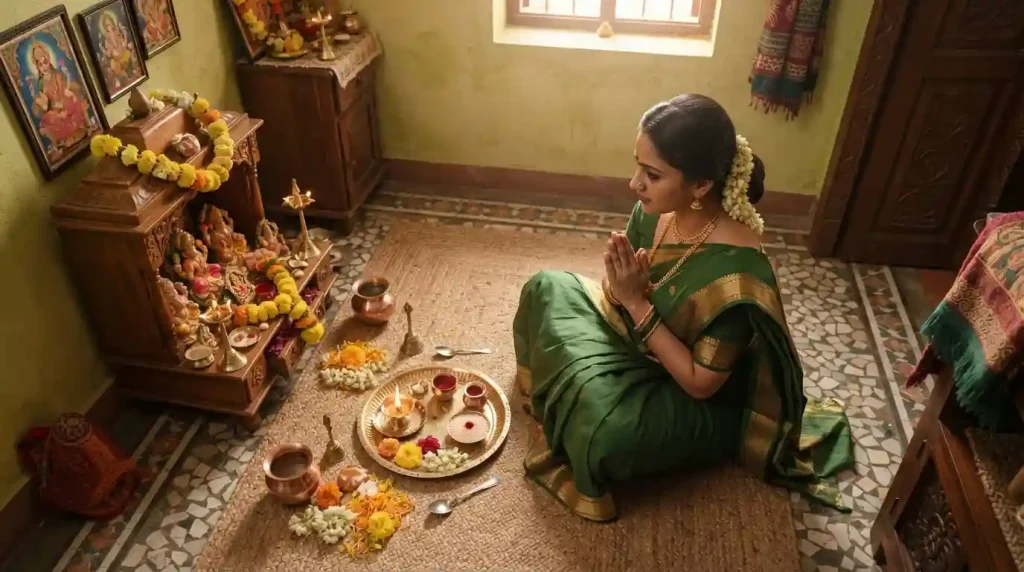
Observing the Hariyali Teej vrat correctly matters as much as the intention behind it. Here are the general rules followed:
- Wake up before sunrise and take a holy bath.
- Wear clean, preferably green, clothing.
- Take a sankalp (vow) to observe the fast with a sincere heart.
- Many women observe a Nirjala Vrat (without water); others opt for a fruit-based fast depending on health.
- Avoid negative speech, arguments, or ill will toward anyone during the day.
- Perform the Shiva-Parvati puja in the evening.
- Break the fast only after moon sighting or evening aarti, per family tradition.
Health note: Nirjala (waterless) fasting should always be approached with awareness of personal health, age, and medical conditions. A moderated fast with fruits or limited water is equally valid and increasingly recommended by health practitioners.
Step-by-Step Puja Vidhi
- Clean the puja area and set up idols or images of Lord Shiva, Goddess Parvati, and Lord Ganesha.
- If possible, create a small clay (Parthiv) Shivling as part of the altar.
- Light a diya and incense sticks.
- Offer water, milk, and Panchamrit to the deities.
- Adorn Goddess Parvati with Solah Shringar items — bangles, sindoor, bindi, and a small saree if available.
- Offer flowers, bel patra, dhatura, and fruits.
- Recite the Hariyali Teej Vrat Katha.
- Chant the Shiva-Parvati mantras (listed below).
- Perform the aarti.
- Distribute prasad and bhog among family members.
- Break the fast as per personal or family tradition.
Required Puja Samagri
- Idols/pictures of Shiva, Parvati, and Ganesha
- Clay for Parthiv Shivling (optional)
- Diya, cotton wicks, ghee/oil
- Incense sticks (agarbatti)
- Fresh flowers and garlands
- Bel patra and dhatura
- Panchamrit (milk, curd, honey, ghee, sugar)
- Sindoor, kumkum, akshat (rice)
- Green bangles and mehendi
- Fruits and sweets (especially Ghewar)
- New or clean cloth for the deities
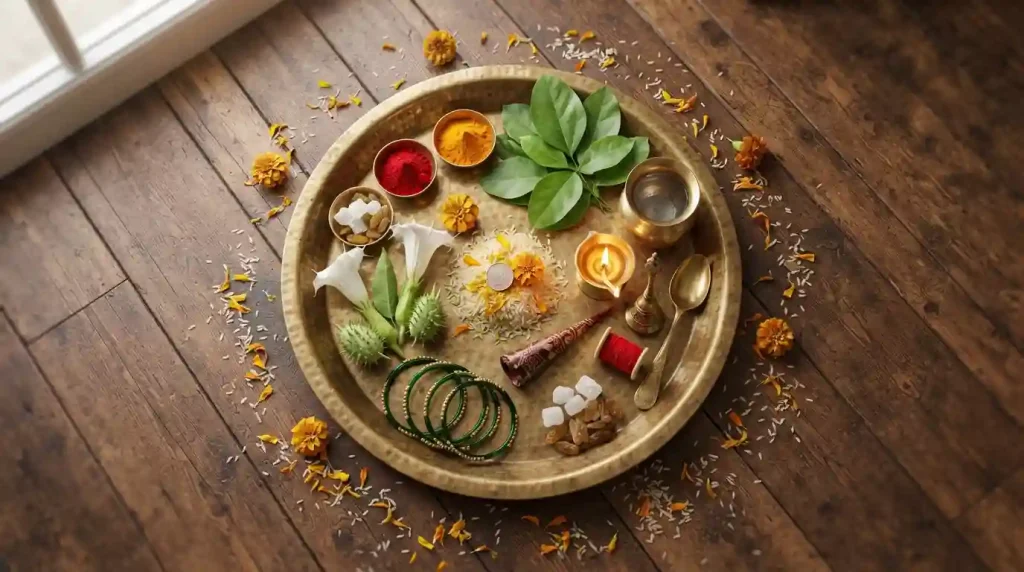
What to Offer Lord Shiva and Goddess Parvati
- To Lord Shiva: Bel patra, dhatura flowers, honey, milk, and water
- To Goddess Parvati: Sindoor, bangles, bindi, henna, flowers, and a small piece of cloth or saree
- To Lord Ganesha: Durva grass and modak or sweets
These offerings symbolize devotion, purity, and the Suhaag (marital) energy central to the festival.
Hariyali Teej Mantras
Chanting these mantras during puja is believed to invoke blessings for marital harmony and devotion:
ॐ उमामहेश्वराभ्यां नमः (Om Umamaheshwarabhyam Namah — Salutations to Uma/Parvati and Maheshwara/Shiva together)
ॐ पार्वतीपतये नमः (Om Parvatipataye Namah — Salutations to the Lord/husband of Parvati)
ॐ शिवायै नमः (Om Shivayai Namah — Salutations to Goddess Shivaa/Parvati)
These are typically chanted 108 times using a mala during the puja.
Hariyali Teej Bhog
Traditional bhog and festive foods prepared during Hariyali Teej include:
- Ghewar (a disc-shaped sweet, considered essential to Teej celebrations)
- Kheer
- Malpua
- Puran Poli (in some regions)
- Seasonal fruits
- Sattu and fried snacks in North Indian households
Ghewar in particular is so closely tied to this festival that it’s often gifted as part of the “Sindhara” — the festive hamper sent by parents to their married daughters.
Traditional Dress and Shringar
Women traditionally wear a green saree, lehenga, or suit, paired with the full Solah Shringar (16 adornments) — including sindoor, bindi, mehendi, bangles, anklets, and a bindiya. This elaborate dressing isn’t vanity; it’s considered an offering of beauty and devotion to Goddess Parvati herself, who is worshipped as the embodiment of a happily married woman.
Why Green Colour is Important
Green is the defining colour of Hariyali Teej for good reason:
- It represents the lush greenery of monsoon, from which the festival takes its name.
- Green is associated with fertility, prosperity, and new beginnings in Hindu tradition.
- It is considered auspicious for married life and Suhaag.
- Wearing green bangles is believed to bring positive energy into a marriage.
Why Swings are Used During Hariyali Teej
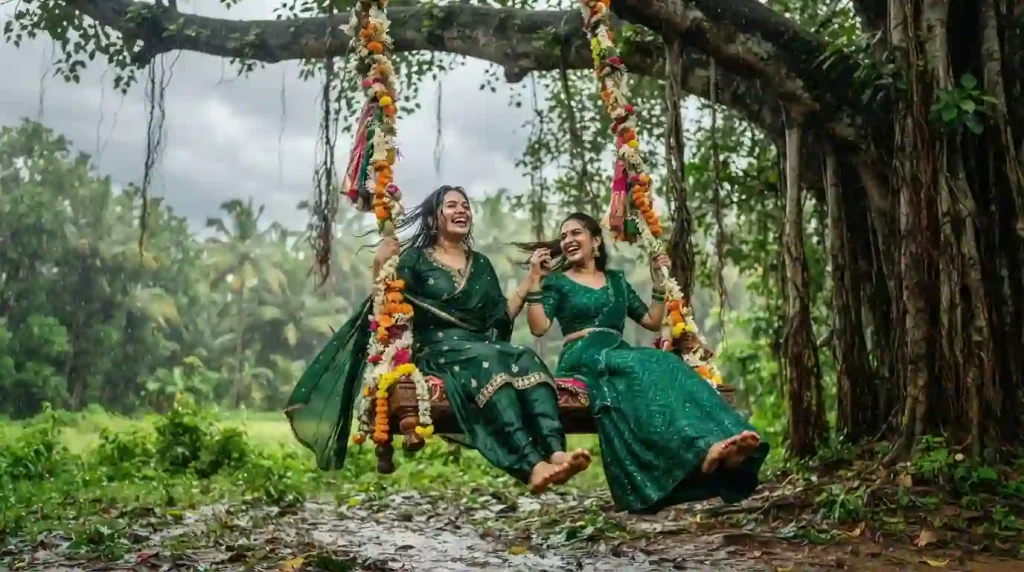
The image of women swinging joyfully on decorated jhulas tied to banyan or neem trees is perhaps the most iconic symbol of Hariyali Teej. This tradition, called Vat Vriksha puja, has deep roots:
- The Banyan tree is considered sacred, symbolizing longevity and knowledge.
- Swinging represents the joy, freedom, and playfulness that the monsoon season brings after the harsh summer.
- It’s also linked to the “Jhoolan Leela” tradition of Lord Krishna and Radha, especially celebrated in Vrindavan temples during Shravan.
Celebration in Different Indian States
Hariyali Teej is celebrated with regional variations across India:
- Rajasthan: Known as “Shingar Teej,” celebrated with grand processions, especially the royal Teej procession in Jaipur.
- Uttar Pradesh & Bihar: Married women visit their parental homes; Sindhara gifts are exchanged.
- Punjab: Called “Teeyan,” celebrated with folk dances like Giddha.
- Madhya Pradesh & Jharkhand: Community fasting and temple gatherings are common.
- Vrindavan (UP): Krishna-Radha idols are swung in temples as part of “Jhoolan Leela” celebrations.
Did You Know?
- Hariyali Teej 2026 coincides closely with India’s Independence Day, adding a layer of national pride to the spiritual celebrations this year.
- Some scriptural traditions describe Goddess Parvati undergoing 108 rebirths before finally being accepted by Lord Shiva.
- Hariyali Teej is considered by many households to hold equal significance to Karwa Chauth.
- The festival is also called “Choti Teej” to distinguish it from Hartalika Teej, sometimes referred to as “Badi Teej.”
Common Mistakes During Hariyali Teej Vrat
- Forcing a Nirjala fast despite health conditions like low blood pressure, pregnancy, or diabetes — always prioritize health.
- Skipping the sankalp (vow) before starting the fast.
- Wearing non-green or heavily ornate clothing that skips the traditional Shringar elements.
- Rushing through the Vrat Katha instead of reciting it with attention and devotion.
- Comparing one’s rituals to others’ — regional practices genuinely differ, and there’s no single “correct” version.
Benefits of Observing Hariyali Teej
- Strengthens marital bonds and communication through shared ritual and intention
- Encourages self-discipline through fasting
- Builds a sense of community and sisterhood among women
- Offers a spiritual reset during the monsoon season
- Reinforces cultural continuity, passing traditions from mother to daughter
Modern Relevance
In today’s fast-paced world, Hariyali Teej has evolved but not disappeared. Modern working women increasingly personalize the vrat — some skip the Nirjala fast for health-conscious alternatives, others celebrate purely as a cultural and social event with friends rather than strictly religious observance. Digital Sindhara gifting, Teej-themed Instagram reels, and virtual puja gatherings for women living abroad have also become common, proving that even ancient traditions can adapt without losing their emotional core: devotion, patience, and togetherness.
Hariyali Teej Wishes 2026
- May Lord Shiva and Goddess Parvati bless your marriage with eternal love. Happy Hariyali Teej 2026!
- Wishing you a Teej full of green bangles, sweet ghewar, and endless happiness.
- May your bond grow stronger like the sacred union of Shiva-Parvati. Happy Haryali Teej 2026 !
- May this Hariyali Teej 2026 bring prosperity and joy to your home.
- Wishing you a monsoon full of laughter, swings, and blessings.
- May Haryalu Teej 2026 Mata fulfill all your wishes this year.
- Happy Hariyali Teej — may your devotion be rewarded like Parvati’s.
- Sending you love, mehendi, and green blessings this Teej.
- May your married life be as harmonious as Shiva and Shakti.
- Wishing you strength, patience, and love this Hariyali Teej.
- May the rains bring peace and the festival bring joy to your family.
- Happy Hariyali Teej to the strongest woman I know.
- May Goddess Parvati bless you with a loving and caring partner.
- Wishing you a festival filled with sisterhood and celebration.
- May your fast be easy and your prayers be answered.
- Happy Teej — may your home always be filled with greenery and grace.
- Wishing you the courage of Parvati and the calm of Shiva.
- May this Hariyali Teej 2026 mark the beginning of beautiful new memories.
- Sending warm wishes for a blessed and joyful Hariyali Teej.
- May your Shringar shine as bright as your devotion today.
- Happy Hariyali Teej — swing into happiness this monsoon!
- May Mahadev bless your family with health and happiness.
- Wishing every woman celebrating today, strength and serenity.
- May your prayers today bring lifelong marital bliss.
- Happy Teej — here’s to green bangles and golden memories.
- May your devotion never waver, just like Goddess Parvati’s.
- Wishing you a Teej full of festive songs and family love.
- May this sacred day strengthen the bond you cherish most.
- Happy Hariyali Teej 2026 — may your year ahead be blessed.
- Wishing you Har Har Mahadev blessings this beautiful Teej!
Instagram Captions
- Green bangles, greener blessings 🌿 #HariyaliTeej2026
- Swinging into monsoon magic ☔🌸
- Teej Mata, bless this heart. 🙏
- 108 lifetimes of devotion, one beautiful festival.
- Mehendi, monsoon, and Mahadev’s blessings.
- Draped in green, dressed in devotion.
- Some love stories are worth waiting lifetimes for.
- Sawan showers and Shiv-Shakti blessings.
- Teej vibes: fasting, faith, and folk songs.
- Har Har Mahadev 🔱 Happy Hariyali Teej!
- Where devotion meets the monsoon breeze.
- This Teej, my heart is full and my hands are green.
- Parvati’s patience, my inspiration. 💚
- Under the swing, under His blessings.
- Celebrating love that transcended 108 births.
- Green is the colour of my devotion today.
- Ghewar, garba songs, and grace.
- May our bond be as eternal as Shiva-Parvati’s.
- Fasting today, feasting on faith.
- Happy Hariyali Teej — from my heart to yours. 🌧️
WhatsApp Status
- Happy Hariyali Teej 2026 🌿 Har Har Mahadev!
- Green bangles, bigger blessings.
- May Teej Mata bless your home today.
- Fasting with faith this Hariyali Teej 2026.
- Swinging into a season of blessings.
- Wishing you a joyful, green-filled Teej.
- Devotion never goes unrewarded — Happy Teej.
- Om Umamaheshwarabhyam Namah 🙏
- Sawan showers, sacred vows, sweet Ghewar.
- Happy Teej to every strong woman today.
- This monsoon, may your prayers find their answer.
- Green today, blessed always.
- Celebrating the union that balances the universe.
- Teej Mata ki Jai! 🌸
- May your married life bloom like the monsoon.
- Wishing peace, patience, and prosperity this Teej.
- Happy Hariyali Teej — stay blessed, stay green.
- A festival of faith, fasting, and family.
- Mehendi on my hands, Mahadev in my heart.
- Happy Hariyali Teej 2026 to all!
Short Quotes
- “Devotion, when patient, is never denied.”
- “Green is not just a colour — it’s a prayer.”
- “108 lifetimes of faith became one eternal union.”
- “A swing carries more than a woman — it carries her wishes.”
- “Where Shiva meets Shakti, balance is born.”
- “Teej is proof that patience outlasts penance.”
- “Some bonds are written before birth.”
- “Faith doesn’t rush — it waits like Parvati waited.”
- “Every green bangle holds a silent prayer.”
- “The monsoon washes the earth; devotion washes the heart.”
- “Marriage is sacred when it mirrors Shiva-Shakti.”
- “Not every fast is about hunger — some are about hope.”
- “Teej Mata sees every silent wish.”
- “In her patience, Parvati taught the world devotion.”
- “A swing between earth and sky, just like faith between doubt and belief.”
- “True love waits, even across lifetimes.”
- “Hariyali is not just green fields — it’s a green heart.”
- “Devotion is the only vrat that never truly ends.”
- “Shiva didn’t just accept Parvati — he honoured her patience.”
- “This Teej, may your prayers grow like the monsoon greenery.”
Frequently Asked Questions
When is Hariyali Teej 2026?
Hariyali Teej 2026 falls on Saturday, 15 August 2026.
Why is it called Hariyali Teej?
“Hariyali” means greenery, referring to the lush monsoon landscape during which the festival is celebrated.
Why is Hariyali Teej celebrated?
It celebrates the reunion of Lord Shiva and Goddess Parvati after her long penance, symbolizing devotion and marital harmony.
Can unmarried women observe the Hariyali Teej vrat?
Yes. Unmarried women observe the fast to pray for a life partner with qualities similar to Lord Shiva.
Is Hariyali Teej the same as Karwa Chauth?
No, but both hold similar significance regarding marital well-being. Hariyali Teej falls in Shravan, while Karwa Chauth falls in Kartik.
What is Nirjala Vrat?
It is a fast observed without consuming even water, though many women now choose a moderated fast for health reasons.
What should be included in the puja thali?
Sindoor, mehendi, akshat, flowers, fruits, bel patra, dhatura, and sweets like Ghewar.
Why do women wear green on Hariyali Teej?
Green symbolizes prosperity, fertility, and the monsoon greenery central to the festival’s meaning.
What is the significance of swings on Hariyali Teej?
Swings represent joy, freedom, and the playful spirit of monsoon, tied to the sacred Vat Vriksha tradition
What is Sindhara?
A festive gift hamper sent by parents to their married daughters, containing sweets, henna, bangles, and clothing
Which mantra is chanted on Hariyali Teej?
Om Umamaheshwarabhyam Namah” is commonly chanted 108 times during the puja.
Is Hariyali Teej celebrated only in North India?
It is most prominent in North India — Rajasthan, UP, Bihar, MP, and Punjab — though celebrations vary by region
What is the story behind Hariyali Teej?
It commemorates Goddess Parvati’s devotion and penance across multiple lifetimes to be reunited with Lord Shiva.
What is the difference between Hariyali Teej and Hartalika Teej?
Hariyali Teej falls in Shravan Shukla Tritiya, while Hartalika Teej falls in Bhadrapada Shukla Tritiya — both honor Shiva-Parvati but are separate observances.
How is the fast broken on Hariyali Teej?
Traditionally after evening puja or upon sighting the moon, depending on family customs.
Conclusion
Hariyali Teej 2026 is more than a date circled on the calendar — it’s a living reminder that devotion, patience, and faith carry weight beyond a single lifetime. Whether you’re tying a swing to a rain-soaked branch, reciting the Vrat Katha with your grandmother’s words, or simply learning about Goddess Parvati’s story for the first time, this festival connects generations of women through one simple truth: real love is worth the wait.
This 15 August 2026, may your prayers be heard, your bonds be strengthened, and your home be filled with the greenery of peace and prosperity.
We’d love to hear from you — share your own Hariyali Teej memories or family traditions in the comments below, pass this article along to someone observing the vrat this year, and bookmark MythologyMantra.com for more authentic stories from Hindu scriptures.