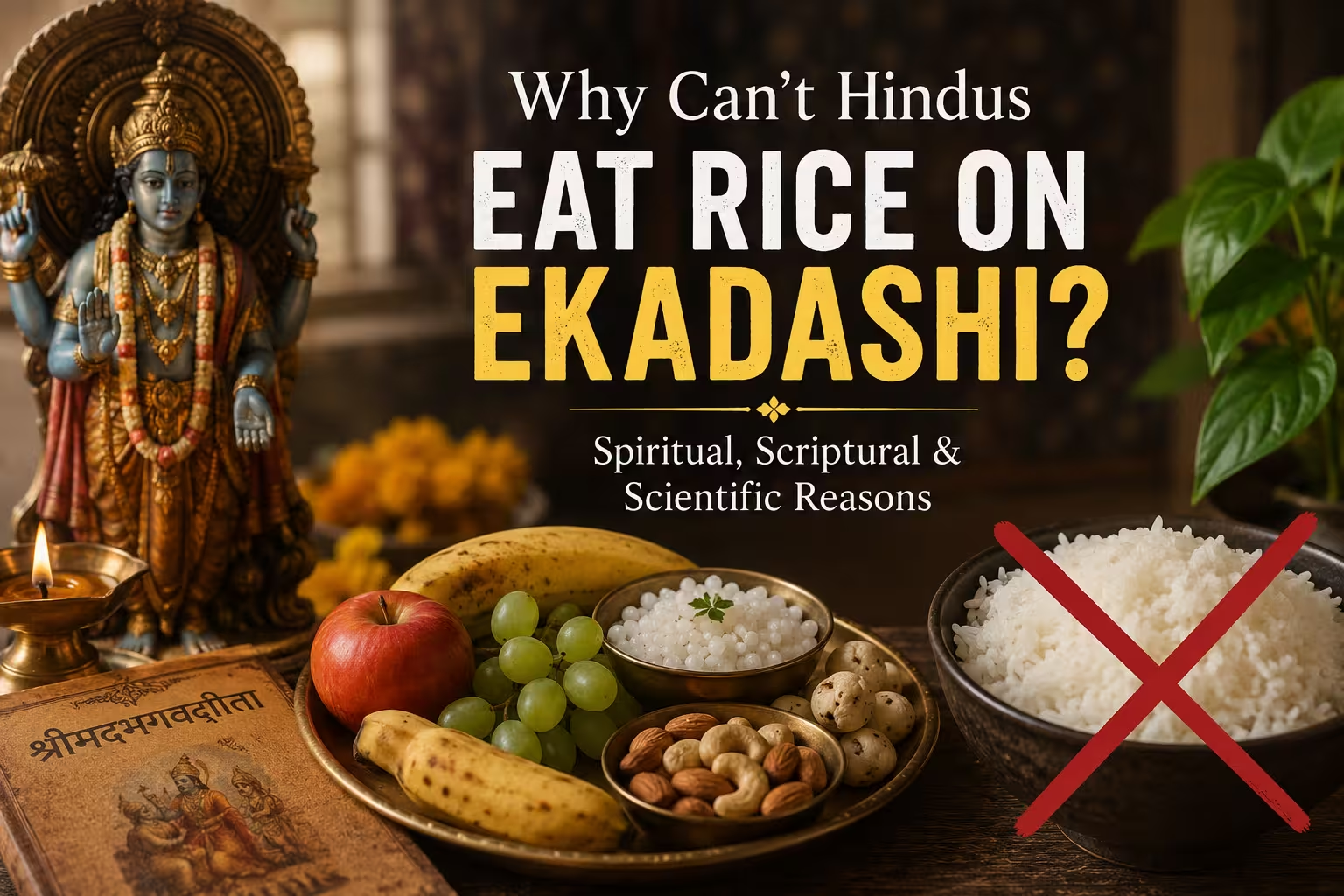
Ekadashi is the most sacred fasting days in Hinduism.Observed twice every lunar month, Ekadashi falls on the eleventh day (Ekadashi Tithi) of both the waxing and waning phases of the Moon. Millions of devotees dedicated to Lord Vishnu observe fasting, prayer, and spiritual practices on this auspicious day.
One of the most common rules associated with Ekadashi fasting is the strict avoidance of rice and grains. Many people follow this tradition faithfully, but often wonder: Why can’t Hindus eat rice on Ekadashi?
The answer lies in a fascinating blend of Hindu scriptures, spiritual beliefs, ancient wisdom, and even scientific reasoning. This article explores the complete significance behind this age-old practice.
What is Ekadashi?
The word “Ekadashi” comes from Sanskrit, where “Eka” means one and “Dashi” means ten, together signifying the eleventh day of the lunar fortnight.
According to Hindu tradition, Ekadashi is dedicated to Lord Vishnu, the preserver of the universe. Devotees observe fasting and engage in prayers, meditation, chanting, and reading sacred texts to purify their minds and strengthen their spiritual connection with the divine.
In a year there are 24 Ekadashis, and in leap year there may be 26. All 24 Ekadashi has its own spiritual importance and benefits.
The Scriptural Reason for Avoiding Rice on Ekadashi
One of the most popular stories comes from the Padma Purana and other Vaishnava traditions.
According to legend, there was once a demon named Mura who terrorized gods and sages. Lord Vishnu fought with him for thousands of years. During the battle, Lord Vishnu rested in a cave. Mura attempted to attack Him while He slept.
At that moment, a divine feminine energy emerged from Lord Vishnu and destroyed the demon. Pleased with her devotion, Lord Vishnu named her “Ekadashi” and granted her a boon.
She requested that anyone who observed fasting on Ekadashi would receive spiritual merit and liberation from sins.
Another belief associated with this story states that the spirit of sin, known as “Papa Purusha,” took refuge in rice grains on Ekadashi. Therefore, consuming rice on this sacred day is considered equivalent to consuming accumulated sins.
Because of this belief, devotees avoid rice and grains during Ekadashi fasting.
The Spiritual Significance of Avoiding Rice
Hinduism emphasizes the purification of the body, mind, and soul. Food is considered more than physical nourishment; it influences consciousness and spiritual growth.
Rice is regarded as a heavy and grounding food. On Ekadashi, devotees aim to reduce bodily demands and focus on spiritual activities.
Avoiding rice helps:
1. Increase Spiritual Awareness
A lighter diet makes meditation and prayer easier. Devotees often report greater mental clarity and concentration during fasting.
2. Control the Senses
Ekadashi fasting is not merely about avoiding food; it is about mastering desires and practicing self-discipline.
3. Purify Karma
Scriptures describe Ekadashi as a powerful opportunity to cleanse negative karmic influences. Abstaining from rice is considered part of this purification process.
4. Strengthen Devotion
Following dietary restrictions demonstrates dedication and obedience to divine instructions, enhancing one’s devotion to Lord Vishnu.
Scientific Explanation Behind Avoiding Rice on Ekadashi
While the practice originates from spiritual traditions, some researchers and Ayurvedic practitioners offer scientific perspectives.
Effect of the Lunar Cycle
Ekadashi occurs during specific lunar phases when the Moon’s gravitational pull affects water bodies on Earth.
Since the human body consists largely of water, ancient sages believed that these lunar influences could also affect human physiology and emotions.
Fasting on Ekadashi helps maintain balance during these periods.
Rice and Water Retention
Rice naturally contains significant amounts of starch and can contribute to water retention in some individuals.
Ancient Ayurvedic wisdom suggests that avoiding rice during lunar transitions may reduce lethargy and support better physical balance.
Improved Digestion
Digestive organs work continuously to process food. A periodic fast provides the digestive system with rest.
Avoiding heavy foods like rice may:
- Improve metabolism
- Enhance digestion
- Reduce bloating
- Support detoxification
Enhanced Mental Clarity
Many people experience increased focus and mental alertness during controlled fasting. This aligns with the spiritual objective of Ekadashi: directing energy toward prayer and self-reflection.
Ayurvedic Perspective on Ekadashi
Ayurveda, India’s ancient system of medicine, views fasting as a powerful tool for maintaining health.
According to Ayurvedic principles:
- The digestive fire (Agni) becomes weaker during certain lunar phases.
- Heavy foods such as grains require more energy to digest.
- Consuming lighter foods allows the body to conserve energy.
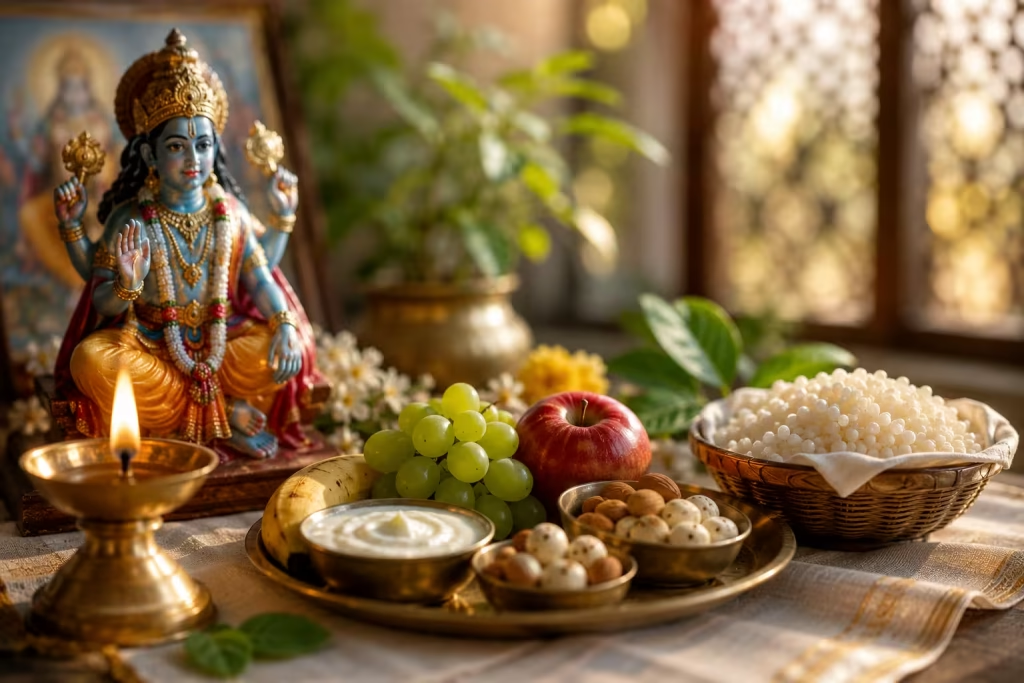
On Ekadashi, devotees often consume:
- Fruits
- Milk
- Yogurt
- Nuts
- Sabudana (tapioca)
- Singhara flour
- Kuttu flour
- Makhana (fox nuts)
These foods are easier to digest and support the body’s natural cleansing process.
Why Are Grains Avoided Along with Rice?
Many Hindu traditions extend the restriction beyond rice to include all grains and cereals.
This practice is especially common among Vaishnavas.
Grains commonly avoided include:
- Rice
- Wheat
- Barley
- Corn
- Lentils
- Pulses
- Beans
According to scriptures, subtle negative energies are believed to become more active within grains during Ekadashi.
Therefore, devotees choose fruits and fasting foods instead.
What Happens If Someone Eats Rice on Ekadashi?
Different traditions offer different views.
From a spiritual perspective, consuming rice on Ekadashi is believed to reduce the benefits of the fast.
However, Hinduism also emphasizes intention and sincerity. If someone unknowingly consumes rice, many spiritual teachers recommend:
- Seeking forgiveness through prayer
- Continuing devotional practices
- Observing the next Ekadashi with greater awareness
The purpose of Ekadashi is spiritual growth rather than fear or punishment.
Types of Ekadashi Fasts
Not everyone follows the same fasting method.
Nirjala Ekadashi
The strictest form of fasting.
- No food
- No water
Phalahar Ekadashi
Only fruits and milk are consumed.
Partial Fast
Devotees avoid grains and rice while eating permitted foods.
Water Fast
Only water is consumed throughout the day.
Individuals choose a fasting method according to their health and spiritual capacity.
Benefits of Observing Ekadashi
Spiritual Benefits
- Increased devotion to Lord Vishnu
- Greater mental peace
- Purification of karma
- Improved concentration during prayer
Physical Benefits
- Better digestion
- Reduced overeating
- Enhanced metabolism
- Periodic detoxification
Mental Benefits
- Improved self-control
- Increased mindfulness
- Better emotional balance
- Enhanced discipline
Foods Allowed on Ekadashi
Common Ekadashi-friendly foods include:
- Fruits
- Bananas
- Apples
- Papaya
- Milk
- Buttermilk
- Yogurt
- Makhana
- Coconut water
- Dry fruits
- Almonds
- Cashews
- Sabudana
- Kuttu flour
- Singhara flour
- Rock salt (Sendha Namak)
Foods to Avoid on Ekadashi
- Rice
- Wheat
- Lentils
- Pulses
- Beans
- Corn
- Oats
- Regular salt
- Processed grain products
Following these guidelines helps devotees maintain the sanctity of the fast.
The Deeper Message of Ekadashi
The prohibition against eating rice on Ekadashi is not merely a dietary rule. It symbolizes self-restraint, purification, and devotion.
Hindu sages understood that spiritual growth often begins with mastering physical habits. By avoiding rice and observing fasting disciplines, devotees learn to control desires and focus on higher consciousness.
The tradition teaches that temporary sacrifice can lead to lasting spiritual rewards.
The reason Hindus avoid eating rice on Ekadashi is rooted in ancient scriptures, spiritual symbolism, Ayurvedic wisdom, and centuries of devotional practice. According to Hindu beliefs, rice becomes associated with negative karmic influences on this sacred day, while fasting helps devotees purify their minds and strengthen their connection with Lord Vishnu.
Whether viewed through a spiritual or scientific lens, Ekadashi remains a powerful tradition that encourages self-discipline, mindfulness, and devotion. The practice of avoiding rice serves as a reminder that true nourishment comes not only from food but also from spiritual awareness and inner growth.
By observing Ekadashi with faith and sincerity, devotees seek blessings, peace, and progress on their spiritual journey.