
Rivers as Living Voices in the Cultural Imagination
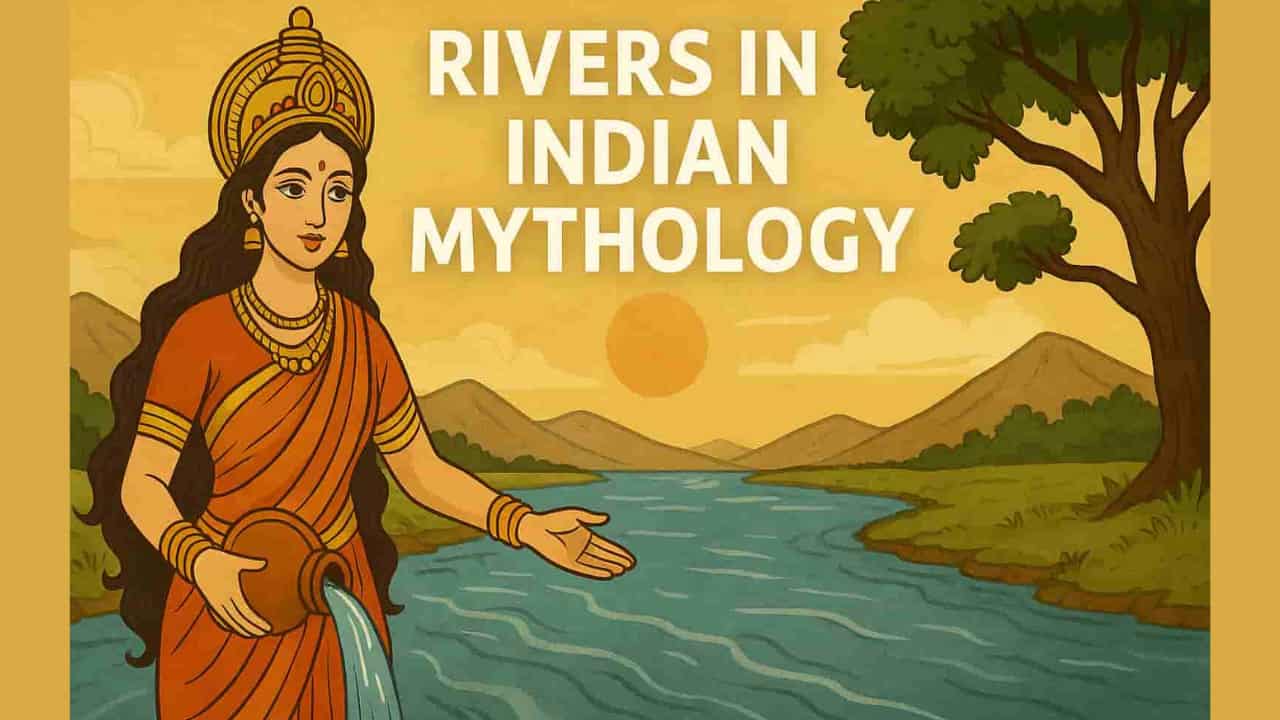
Rivers in Indian mythology are rarely mere backdrops; they speak, argue, rescue, and curse. They are often depicted as goddesses or gods, as mothers and judges, as moral agents whose flows determine fate. This anthropomorphic treatment matters because it shapes behavior: a river conceived as personhood demands reverence and care, and that cultural framing has long enforced practices, sacred groves, ritual bathing, and seasonal calendars, that knit ecology and ethic together.
Ganga - Descent, Purification, and Public Expectation
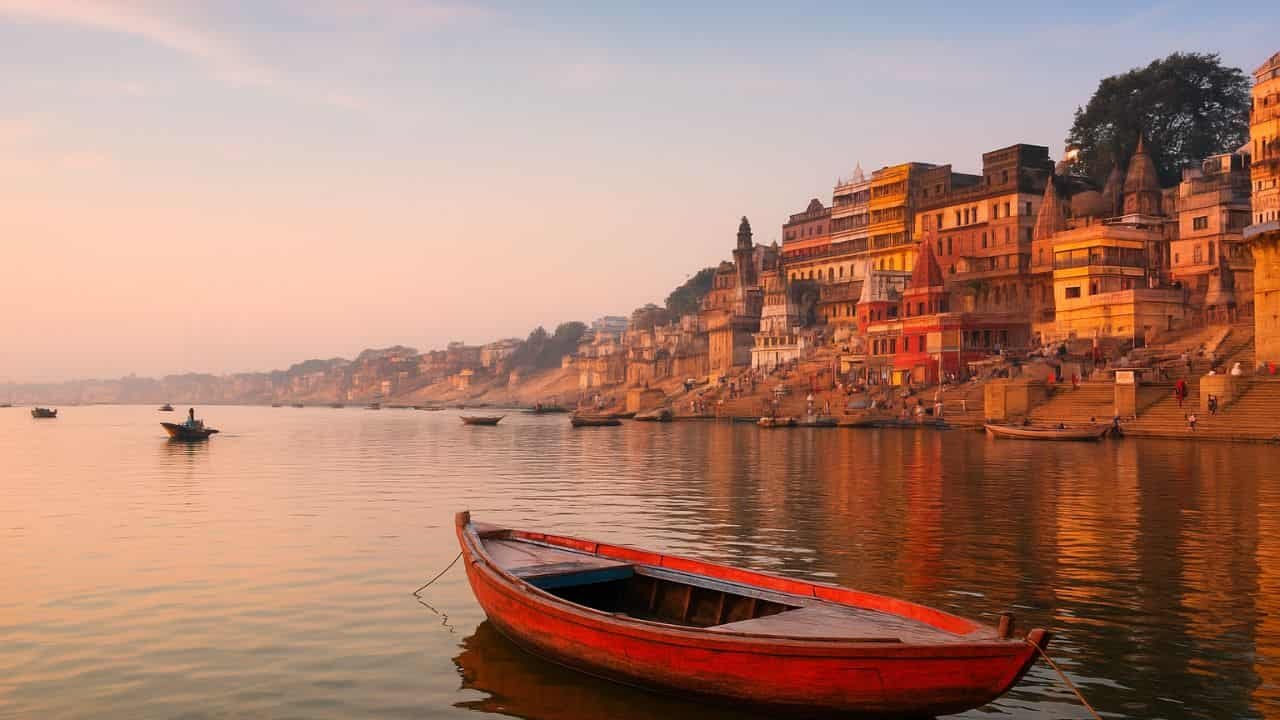
The story of Ganga’s descent from heaven to earth, broken by Shiva and channeled through Bhagiratha’s penance, is a foundational myth about purification, mercy, and social order. Pilgrims bathe in the Ganges expecting spiritual cleansing. That expectation creates social practices, mass bathing, ritual immersion, and cremation rites, which have practical consequences for health, infrastructure, and political mobilization. The myth invests the river with moral authority that contemporary campaigns for clean-up often invoke.
Yamuna - Intimacy, Boundary, and Pastoral Memory
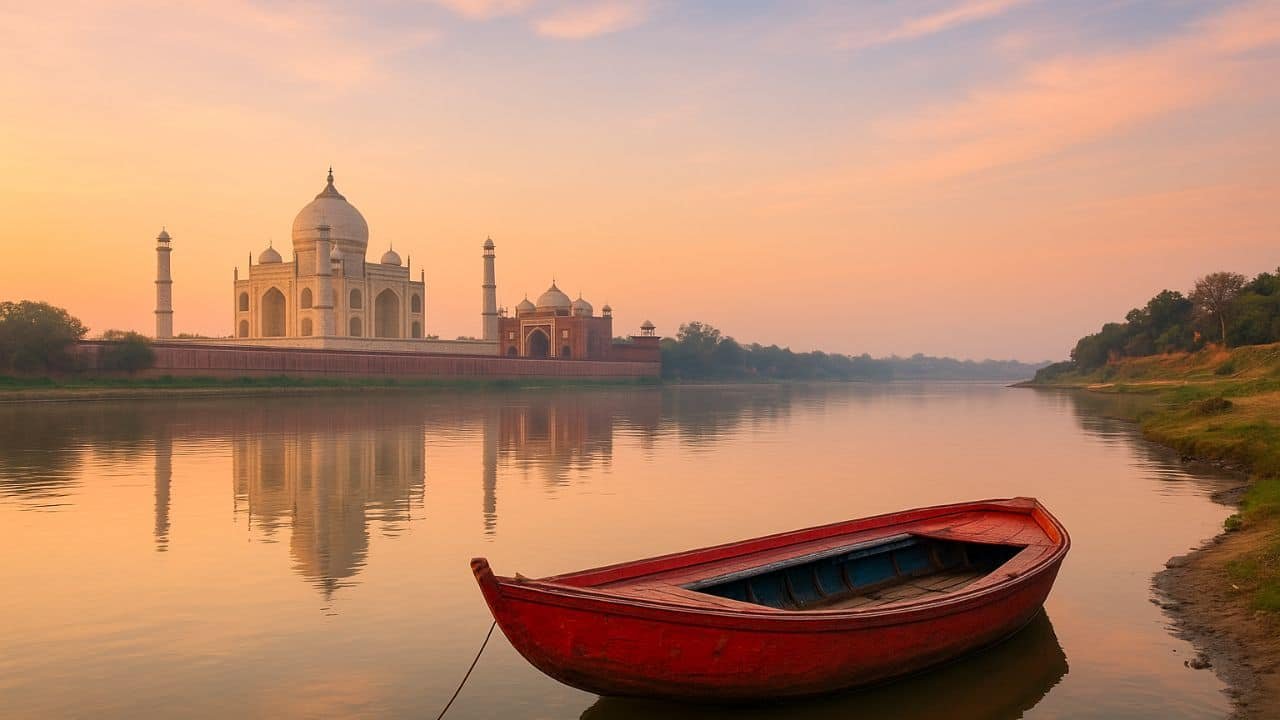
The Yamuna is often portrayed as Krishna’s companion and the setting for pastoral memories: playful frolics, secret loves, and the rhythms of cowherd life. This intimacy makes the river a repository of local memory and landscape-specific ethics; protecting Yamuna means safeguarding not just water but a set of livelihoods and stories that connect people to particular places in unique ways.
Saraswati - The Vanishing River and Cultural Loss
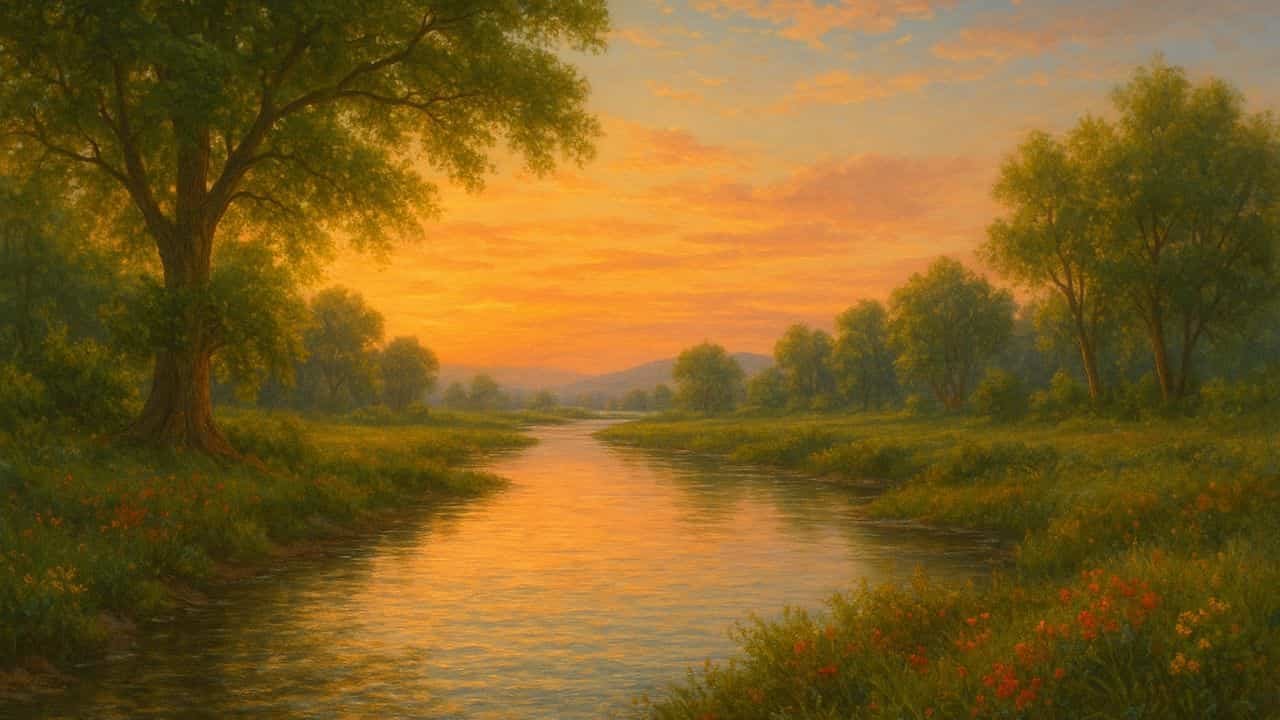
Saraswati plays a dual role, as both a goddess of learning and one of the rivers in Indian mythology whose visible course has receded. The myth of a once-mighty Saraswati that faded from sight encodes a cultural memory of environmental change: the loss of a river is also a loss of centers of learning, ritual practice, and settled life. This mythic absence helps communities feel the urgency of restoring aquifers and respecting vanished hydrological paths.
Narmada and Godavari - Pilgrimage, Parikrama, and Embodied Geography
Rivers in Indian mythology, like the Narmada and Godavari, host long parikrama (circumambulation) circuits and festival cycles that turn waterways into walking curricula. Pilgrims who trace a river’s banks embody its geography: they learn seasonal flows, ancestral rights, and local ecology through gait and story. Such embodied pilgrimage creates local stewards who know the river’s moods and therefore can be powerful allies in conservation.
Rivers in Indian Mythology as Tirtha - Thresholds Between Worlds
In many ritual vocabularies, a river is a tirtha, a crossing-place where the sacred and profane meet. Rituals performed at riverbanks, ancestor rites, vows, and weddings recognize water as a mediator of continuity. Thinking of rivers as thresholds foregrounds the need to keep these places healthy: when a tirtha becomes polluted, the moral fabric of everyday ritual frays, and communities lose a crucial site of social repair.
Personhood and Gender - Feminine Power and Its Double-Edge
When rivers in Indian mythology are personified as goddesses, they become powerful symbols of nurture and demand. This feminine personhood mobilizes care but also sometimes paternalistic protection: reverence can coexist with control that sidelines local voices.
Contemporary river ethics must therefore translate symbolic care into participatory governance that respects local stakeholders, especially women who often carry primary responsibilities for household water.
Purity and Pollution - Ritual Categories Meet Industrial Realities
Mythic ideals of river purity, ritual baths washing away sin, clash painfully with industrial contamination. The cognitive dissonance is real: worshippers who expect pristine waters face sewage and effluent. Yet those same purity ideals can be harnessed morally and politically: invoking sacredness often mobilizes popular demand for sewage treatment and stricter regulation more effectively than sterile scientific appeals alone.
Ghats, Boats, and Livelihood Networks - Rivers as Economies
Ritual life depends on entire economies: boatmen, flower sellers, priests, washer folk, and ghat caretakers make livelihoods from river rituals. Festivals swell these networks and provide crucial seasonal income. Protecting rivers in Indian mythology, therefore, protects people’s economic niches. Policymakers who ignore the social ecology around rivers risk harming the very constituencies that would become local guardians of water quality.
Sacred Groves and Riparian Commons - Traditional Conservation Tools
Many rivers in Indian tradition were protected by tangential practices: sacred groves, herb gardens, and community-managed meadows along banks. These riparian commons functioned as buffer zones that stabilized flow, prevented erosion, and supported biodiversity. Reviving or adapting these traditional protections offers culturally resonant, low-cost approaches to modern conservation that communities can own.
Festivals and Flows - Temporal Calendars That Teach Hydrology
Festival calendars synced to rivers, ritual fasts, harvest rites, and bathing days embed hydrological knowledge in public life. For example, knowing when a particular ghats floods or recedes was crucial for scheduling rites. Such calendrical wisdom is valuable today: integrating ritual timetables with scientific flood forecasting can improve disaster resilience while respecting cultural rhythms.
Literary Rivers in Indian Mythology - Poets, Epics, and Moral Geography
Rivers are staple motifs across Sanskrit epics, bhakti poetry, and regional ballads; poets use waterways as metaphors for longing, death, and the passage of time. These literary presences matter: they create shared images that make environmental appeals emotionally resonant. Conservation arguments that draw on poetry and parish narratives often activate deeper civic commitments than technocratic reports.
Uses and Identity - Water, Territory, and Mobilization
Because rivers define borders and supply essentials, their myths have been enlisted in identity politics and territorial claims. Competing narratives over who “owns” a river can escalate to interstate disputes. Navigating these conflicts requires separating symbolic claims from distributive logic and building multi-level institutions that allocate water equitably while respecting historical attachments.
There are many practices, such as mass immersion of chemically painted idols, unregulated slaughterhouse effluent, or dumped ritual offerings, that contradict the ethic of reverence. Confronting such contradictions requires local education, alternatives (biodegradable idols), and ritual innovation that preserves symbolism while eliminating harm.
Effective river restoration blends hydrology, engineering, and community narrative. Scientists can provide pollutant tracking and remediation plans; poets and priests can mobilize public sentiment; local managers can implement low-tech interventions. A policy that integrates multiple knowledge systems is likelier to succeed because it attends to both material processes and moral imagination.
Pilgrimage Economies and Urban Stress - Managing Carrying Capacity
Large pilgrimages and immersion festivals concentrate enormous pressure on riverbanks: sanitation, waste, and safety risks multiply. Municipalities must plan scalable infrastructure, temporary treatment tanks, managed immersion sites, and crowd control to absorb festival loads without degrading the river’s health permanently.
Urban Rivers - Forgotten Channels and Opportunities for Renewal
Many urban rivers have been choked by development, encroachment, and concrete drains. Restoring these channels, daylighting buried streams, replanting riparian zones, reopening ghats, revives urban ecological networks, reduces flood risk, and reconnects citizens to water in daily life rather than relegating rivers to spectacle.
Groundwater and Surface Water - Mythic Rivers and Hidden Flows
Myths often focus on visible rivers, but groundwater is the unseen lifeblood. Traditional well-management and stepwell rituals encoded groundwater stewardship. Relearning and integrating ancient groundwater recharge practices, check dams, and community wells into modern policy can help reverse aquifer decline and honor the deeper hydrological logic behind many river myths.
Education and Youth - Passing On River Literacies
Teaching river literacy, seasonal behavior, species recognition, and ritual meanings helps young people become informed stewards. School curriculum that blends science and myth, field trips to ghats, and youth-led cleanup squads foster a generation that values rivers both sentimentally and instrumentally.
On-the-ground measures, community-led sewage treatment, bank stabilization with native plants, controlled immersion platforms, and monitoring networks are effective and scalable. Culturally attuned pilots that demonstrate success locally can be replicated and scaled, showing that restoration is not only for experts but for organized communities.
Rivers in Indian Mythology Demand Relational Ethics, Not Mere Management
Myths about rivers in Indian mythology teach a relational ethic: water binds us to ancestors, neighbors, and future generations. Protecting rivers, therefore, requires laws, engineering, and money, but it also requires ritual imagination, cultural translation, and everyday practices that make care habitual. When policy embraces both technical repair and mythic commitment, rivers become living allies again rather than exhausted resources, and that is the moral promise hidden in the old stories.