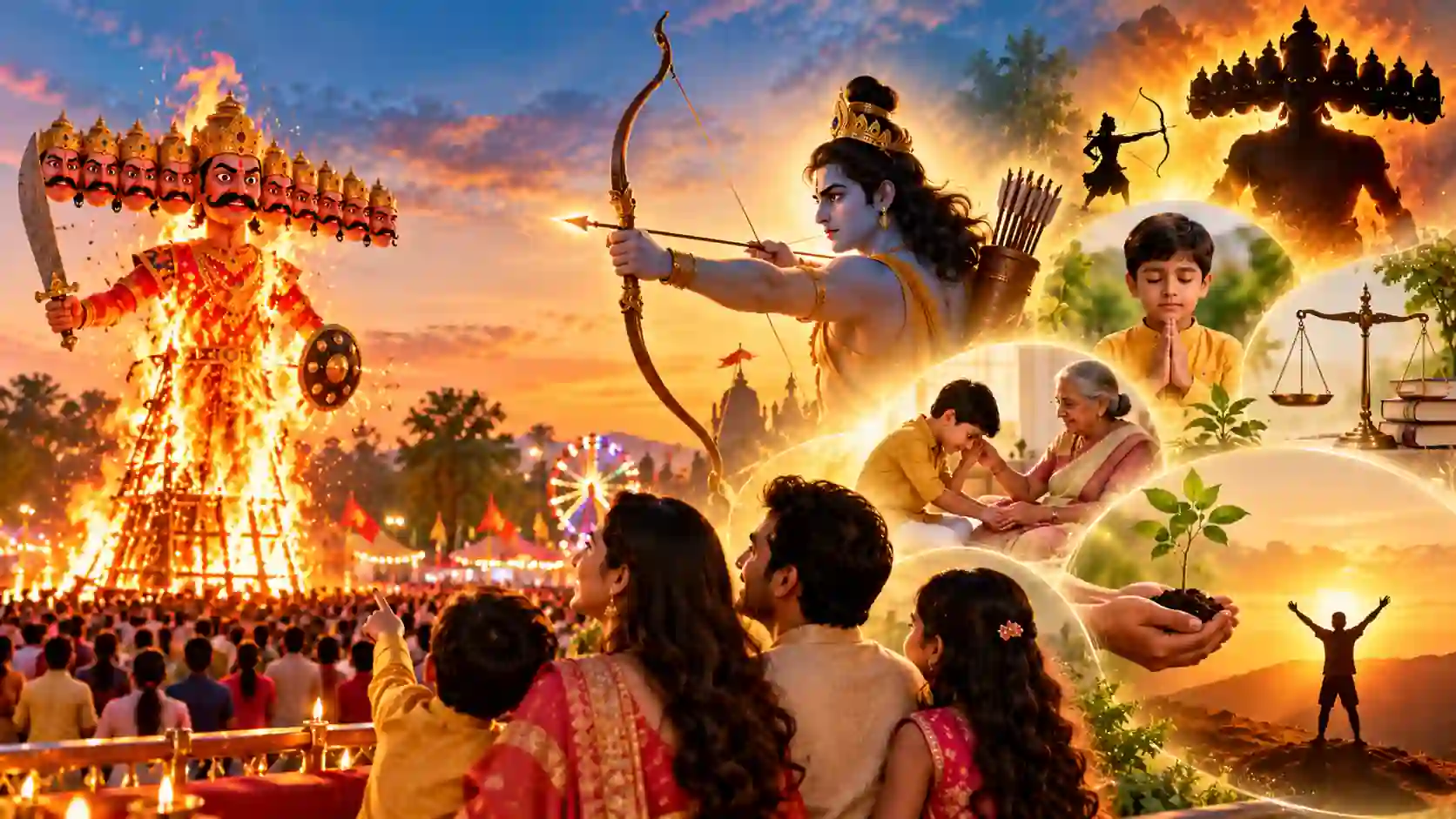


In the vast tapestry of Hindu mythology, few figures shine as brightly as Shree Ram. Revered as the seventh avatar of the god Vishnu, Lord Ram embodies the epitome of righteousness, virtue, and moral integrity. But who is Lord Ram, and why does his story continue to captivate hearts and minds across the globe?

Where Ram ji born?
Lord Ram, also known as Ramji, was born in Ayodhya, an ancient city located in present-day Uttar Pradesh, India. According to Hindu mythology, Ayodhya is the birthplace of Lord Ram and is considered a sacred pilgrimage site for devotees.
As for where Lord Ram is now, according to Hindu belief, after completing his earthly incarnation, Lord Ram returned to his divine abode, Vaikuntha, where he resides eternally alongside the god Vishnu. In the hearts and minds of millions of devotees, Lord Ram’s presence transcends physical boundaries, as his teachings and divine grace continue to guide and inspire seekers on their spiritual journey.
Why People Follow Lord Ram?
Divine Incarnation: Hindus believe Shree Ram to be the seventh avatar of the god Vishnu, who incarnated on Earth to uphold righteousness (dharma) and destroy evil forces. This divine incarnation elevates Lord Ram to a revered status, as his life exemplifies the ideal of a righteous and virtuous ruler.
Epic Story of the Ramayana: The Ramayana, an ancient Indian epic, narrates the life and adventures of Shree Ram, capturing the imagination of generations with its compelling storyline. The tale of Lord Ram’s exile, his battle against the demon king Ravana, and his eventual triumph symbolize the eternal struggle between good and evil, resonating with people across cultures and generations.
Moral and Ethical Teachings: Lord Ram’s life serves as a moral compass for devotees, teaching valuable lessons on duty, honor, compassion, and devotion. His unwavering adherence to truth (satya), righteousness (dharma), and familial duty (maryada) inspires individuals to lead principled lives and uphold ethical values.
Cultural Significance: Shree Ram is not only a religious figure but also a cultural icon in India and beyond. His story has permeated various aspects of art, literature, music, and folklore, shaping the cultural landscape of the Indian subcontinent for centuries. Festivals like Diwali, which commemorates Lord Ram’s return to Ayodhya after defeating Ravana, further reinforce his significance in the lives of millions.
Personal Devotion and Spiritual Connection: For many devotees, the belief in Shree Ram transcends intellectual understanding; it is a deeply personal and spiritual connection. Through prayer, meditation, and rituals, devotees seek solace, guidance, and divine blessings from Lord Ram, fostering a sense of intimacy and devotion that strengthens their faith.
Overall, the belief in Shree Ram is multifaceted, encompassing religious, cultural, moral, and personal dimensions. Through his divine grace and timeless teachings, Lord Ram continues to inspire and uplift countless souls, guiding them on the path of righteousness, compassion, and spiritual enlightenment.
History
The history behind the Ram Mandir, or the temple dedicated to Lord Ram, is deeply rooted in the cultural and religious fabric of India. The site in Ayodhya, Uttar Pradesh, has been a focal point of contention and reverence for centuries.
The historical significance of the Ram Mandir stems from the belief that it marks the birthplace of Lord Ram, one of the most revered figures in Hindu mythology. The original temple at the site is said to have been built in ancient times, but it faced various destructions and reconstructions over the centuries.
The controversy surrounding the Ram Mandir escalated in modern times, particularly in the late 20th century, with competing claims to the site by Hindus and Muslims. The Babri Masjid, a mosque constructed in the 16th century, stood on the same spot as the purported birthplace of Lord Ram. The dispute over the ownership of the land led to tensions and legal battles, culminating in the demolition of the Babri Masjid in 1992 by Hindu nationalists, sparking communal violence across the country.
In 2019, the Supreme Court of India delivered a landmark verdict, ruling in favor of the construction of a Hindu temple at the disputed site while also allocating a separate piece of land for the construction of a mosque. This decision paved the way for the construction of the grand Ram Mandir in Ayodhya.
Today, the Ram Mandir stands as a symbol of faith and unity, attracting millions of devotees from around the world. Its construction represents the culmination of a centuries-old aspiration among Hindus to re-establish a temple dedicated to Lord Ram at his revered birthplace. The history behind the Ram Mandir reflects the complex interplay of religion, politics, and cultural identity in India, underscoring the enduring significance of Lord Ram in the hearts and minds of millions.