
The significance of Dussehra is often summed up in four words: good over evil. That’s true, but it undersells a day that does a surprising amount of work in the Hindu calendar. Vijayadashami, which falls on Tuesday, 20 October 2026, closes the nine nights of Navratri, commemorates two separate divine victories, marks the traditional start of a new season of action, and opens the run-up to Diwali. Here is why it matters more than the bonfire suggests.
It Honours Two Victories, Not One
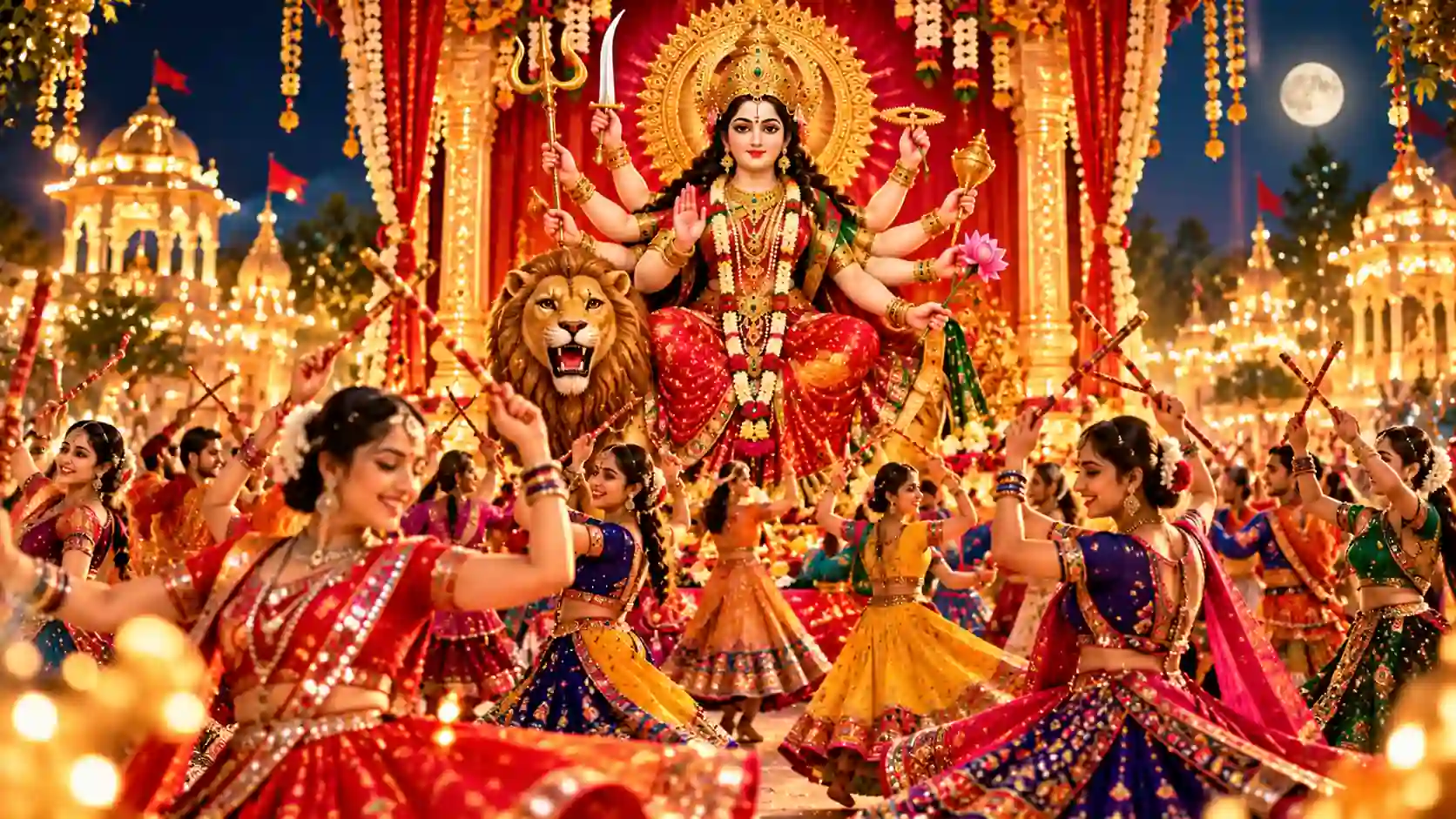
In North and Central India, Dussehra is the day Rama defeated Ravana, the culmination of the Ramayana’s war in Lanka as celebrated through Ramlila. In Bengal, Odisha, Assam and Shakta traditions elsewhere, Vijayadashami completes the Goddess Durga’s victory over Mahishasura, told in the Devi Mahatmya of the Markandeya Purana. Some traditions bring the two together: a well-known episode in the Bengali Krittivasi Ramayana describes Rama worshipping the Goddess before his final battle, an “untimely awakening” or akal bodhan that many link to autumn Durga Puja. Different regions emphasise different stories, but both point to the same idea: dharma prevails over arrogance and cruelty, even when the struggle is long.
It Turns Devotion Into Action
Navratri is largely inward: fasting, prayer, recitation and restraint. Dussehra is the moment that energy turns outward. Historically, it was the day kings resumed military campaigns after the monsoon, a custom remembered in Seema Ullanghan, the ritual crossing of the village boundary. Weapons, tools and books are worshipped, and many people start new ventures. Read as a whole, the nine nights and the tenth day describe a cycle familiar from many spiritual traditions: prepare quietly, then act with clarity.
It’s One of the Most Auspicious Days of the Year
Vijayadashami is widely counted among the most auspicious days in the Hindu calendar; in some traditions it is listed as one of the “sade teen muhurat”, the three and a half days considered auspicious throughout, so that new undertakings don’t need a separate muhurat. That’s why it’s chosen for Vidyarambham in Kerala, for opening account books, for beginning music or dance training, and for buying vehicles and property. In 2026, the New Delhi Vijay Muhurat falls at about 2:00 PM to 2:46 PM, a window many families use for these beginnings.
It Keeps a Living Theatre Tradition Alive
Every autumn, thousands of neighbourhood Ramlilas retell the Ramayana, often performed by amateurs who have played the same roles for years. UNESCO recognises “Ramlila, the traditional performance of the Ramayana” as Intangible Cultural Heritage, noting especially the performances of North India such as those in Varanasi. Without Dussehra as its finale, this tradition of community storytelling would lose its anchor.
It Opens the Road to Diwali
In the North Indian telling, Diwali celebrates Rama’s return to Ayodhya after his victory. Dussehra therefore begins a story that concludes with the lamps of Diwali, which falls on Sunday, 8 November 2026, 19 days later. Many families start their Diwali cleaning, shopping and planning the day after Dussehra.
It Brings Different Indias Together
Few festivals take as many forms on the same day: Ravan Dahan in Delhi, the Jamboo Savari of Mysuru Dasara, the gathering of deities at Kullu, Sindoor Khela and visarjan in Kolkata, Ayudha Puja and Vidyarambham in the South, and Bastar’s long Danteshwari-centred celebration in Chhattisgarh. Each is a local answer to the same question: how do we mark the victory of what is right?
Frequently Asked Questions
What is the main significance of Dussehra?
Dussehra celebrates the victory of righteousness over wrongdoing, remembered through Rama’s defeat of Ravana and the Goddess Durga’s defeat of Mahishasura.
Why is Vijayadashami considered auspicious for new beginnings?
Tradition counts it among the most auspicious days of the year, so new learning, business and purchases are often begun on it without seeking a separate muhurat.
How is Dussehra connected to Diwali?
In North Indian tradition, Diwali marks Rama’s return to Ayodhya after his victory over Ravana, which is celebrated on Dussehra.
When is Dussehra 2026?
Tuesday, 20 October 2026. Full muhurat details are in our Dussehra 2026 guide.
A Day That Holds the Season Together
Dussehra ties the inward discipline of Navratri to the outward joy of Diwali, honours both the Goddess and Rama, and invites everyone to begin something worthwhile. That’s a lot for one Tuesday in October to carry, and it’s why the day deserves more than a quick look at the fireworks. For a deeper reflection, read Vijayadashami and its modern relevance.