
The River (also known as the Ganges) holds a central place in Hindu mythology, spirituality, and Indian culture. It is not only one of the longest and most vital rivers in India but also one of the holiest, revered as a goddess who descended from the heavens to cleanse the sins of humanity. The River has been a source of life, purity, and spiritual liberation for millions of people over centuries.
In this exploration, we’ll delve into the myths, legends, spiritual practices, and the deep-rooted significance of the River in Hindu culture.
Table of Contents
Mythological Origins of the River
The Legend of Bhagiratha and the Descent of Ganga
The most popular myth associated with the River is the story of King Bhagiratha from the Ramayana. Bhagiratha’s ancestors, the Sagara dynasty, had perished due to the curse of Sage Kapila, and their souls could not attain liberation until their ashes were purified by the holy waters of the River. In his devotion to rescuing the souls of his ancestors, Bhagiratha performed years of intense penance to please the Goddess Ganga and request her descent to Earth.
They agreed to descend but warned that her forceful flow might destroy the Earth. To prevent this, Bhagiratha prayed to Lord Shiva, who agreed to capture and control Ganga’s powerful waters in his hair. Thus, River Gange descended from the heavens and was gently released by Lord Shiva from his jata (matted locks), flowing across the Earth and purifying the ashes of Bhagiratha’s ancestors.
This story not only highlights River status as a divine purifier but also illustrates her compassionate role in granting liberation and salvation (moksha) to those who seek her blessings.
Ganga as a Goddess
In Hinduism, This is more than just a river; she is personified as a goddess, symbolizing purity, compassion, and forgiveness. The Vedas and Puranas describe River as a divine being who descended from the heavens to provide salvation and spiritual enlightenment. The Rigveda praises River as the holiest of rivers, while later texts like the Skanda Purana narrate her divine qualities.
Goddess Ganga is often depicted riding a crocodile, holding a water pot and a lotus, symbolizing her ability to purify the mind, body, and soul. In temples and shrines, she is worshipped with offerings of flowers, lamps, and prayers, especially during rituals like Ganga Aarti.
Spiritual and Religious Significance of Ganga
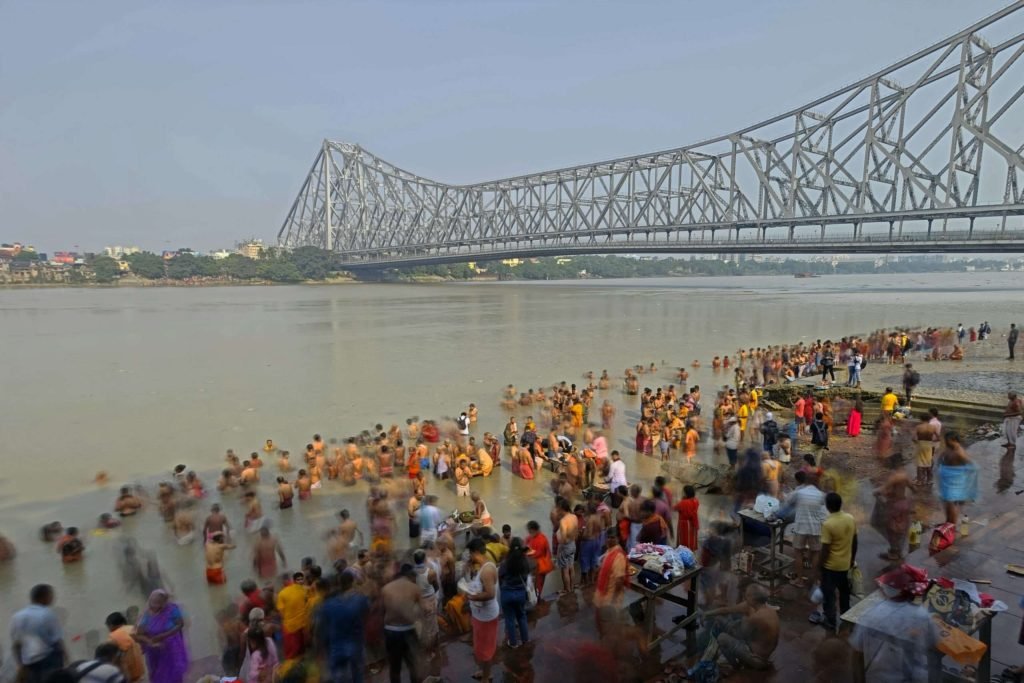
For Hindus, the River is a symbol of purity, spiritual renewal, and salvation. Bathing in the river is believed to wash away sins and purify one’s soul, enabling the person to achieve moksha (liberation from the cycle of birth and death). Millions of people visit the Ganga throughout the year, and festivals like the Kumbh Mela attract millions of devotees who come to bathe in her sacred waters.
Purifying Power of Ganga
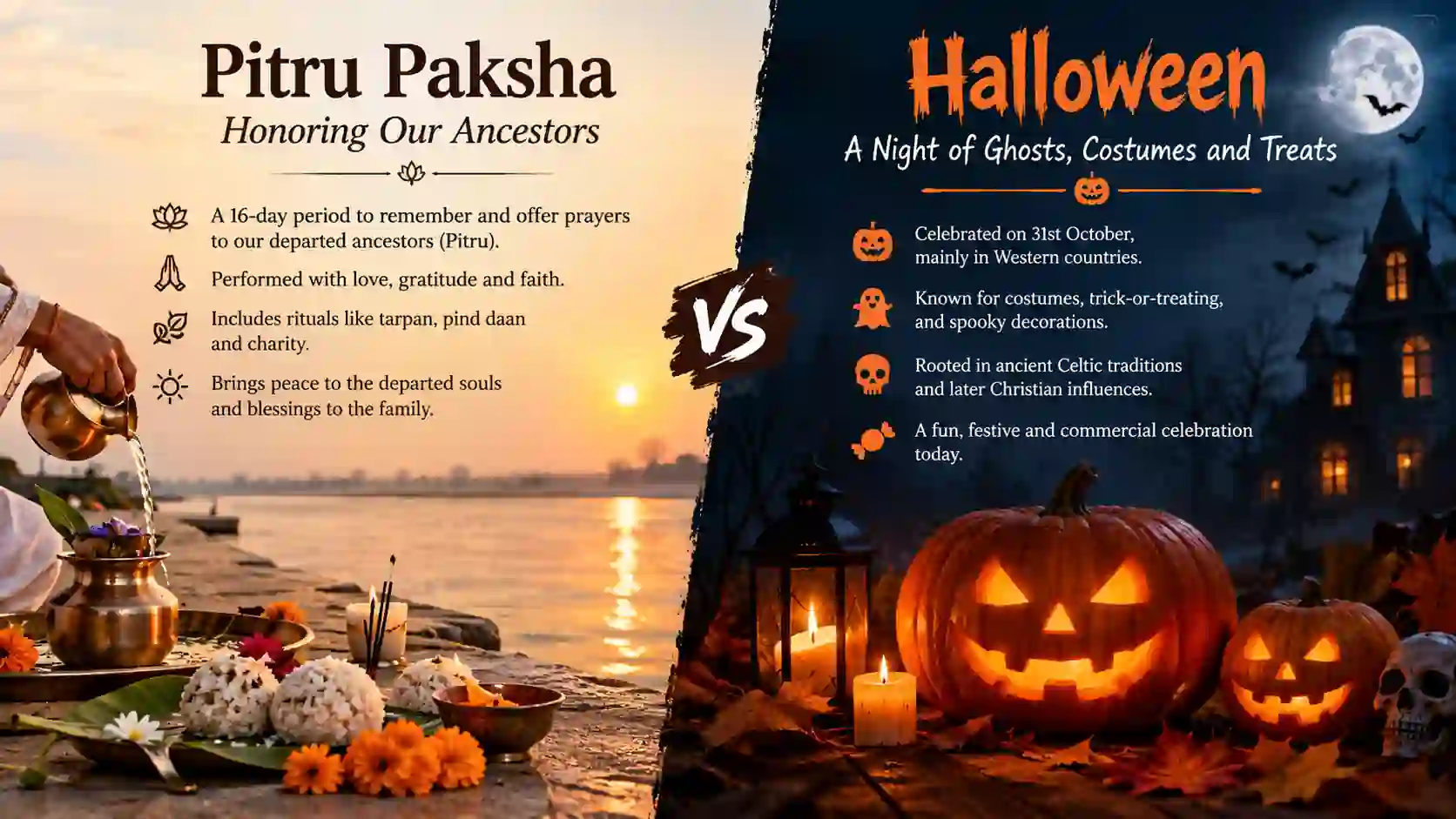
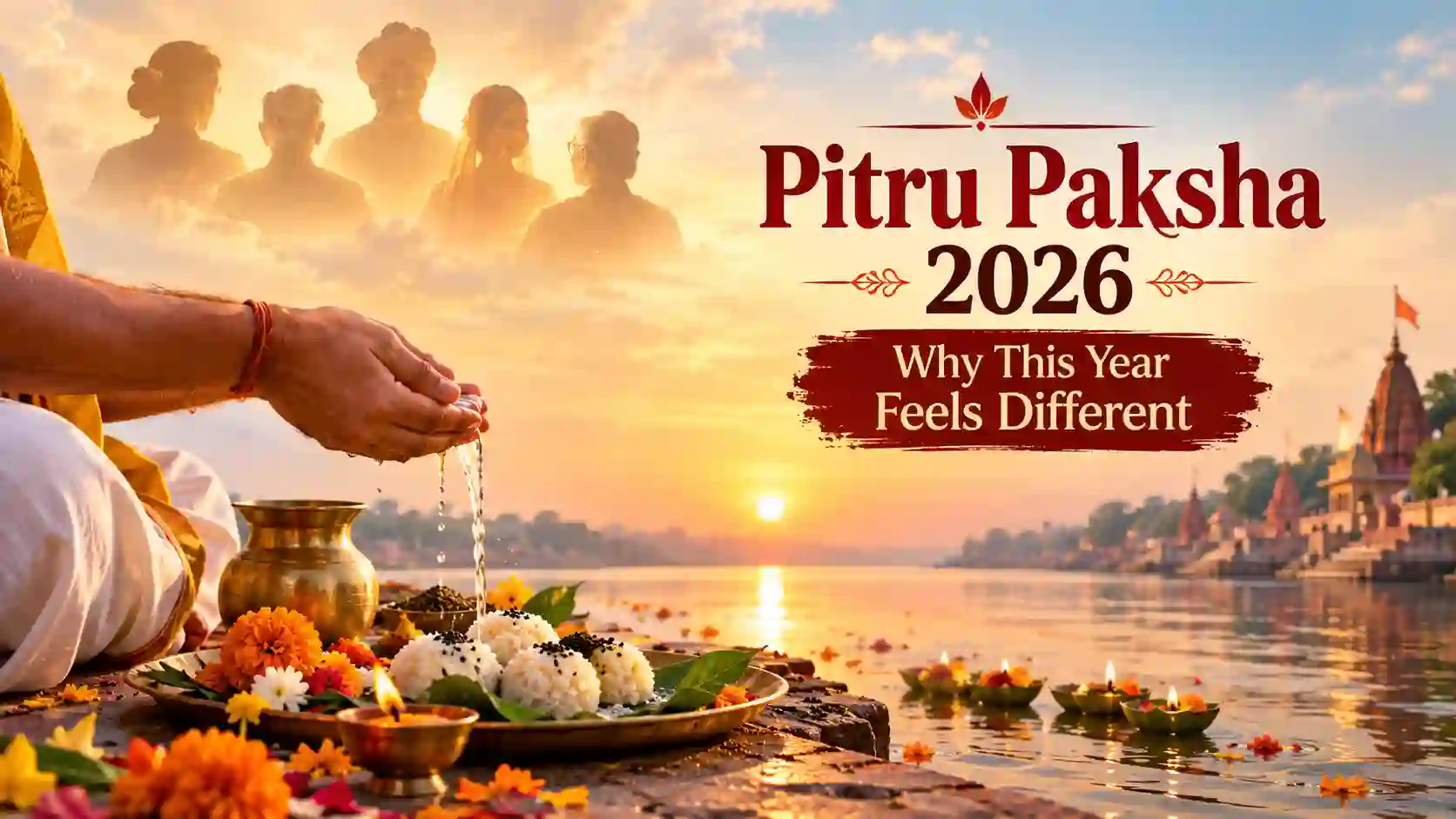
One of the most profound beliefs about the River is her power to cleanse sins. Hindu scriptures assert that a single dip in the Ganga is enough to wash away lifetimes of accumulated negative karma. This belief has led to the Ganga becoming an integral part of many religious rituals, including rites of passage like Pind Daan (ritual offerings for deceased ancestors).

Immersion of Ashes
This is also considered the ultimate destination for the immersion of cremated ashes. Hindus believe that immersing the ashes of a deceased person in the Ganga ensures their soul’s liberation. Cities along the river such as Varanasi and Haridwar are considered especially sacred for performing last rites, with thousands of families bringing the ashes of their loved ones to be released into the Ganga’s waters.
The Ganga Aarti
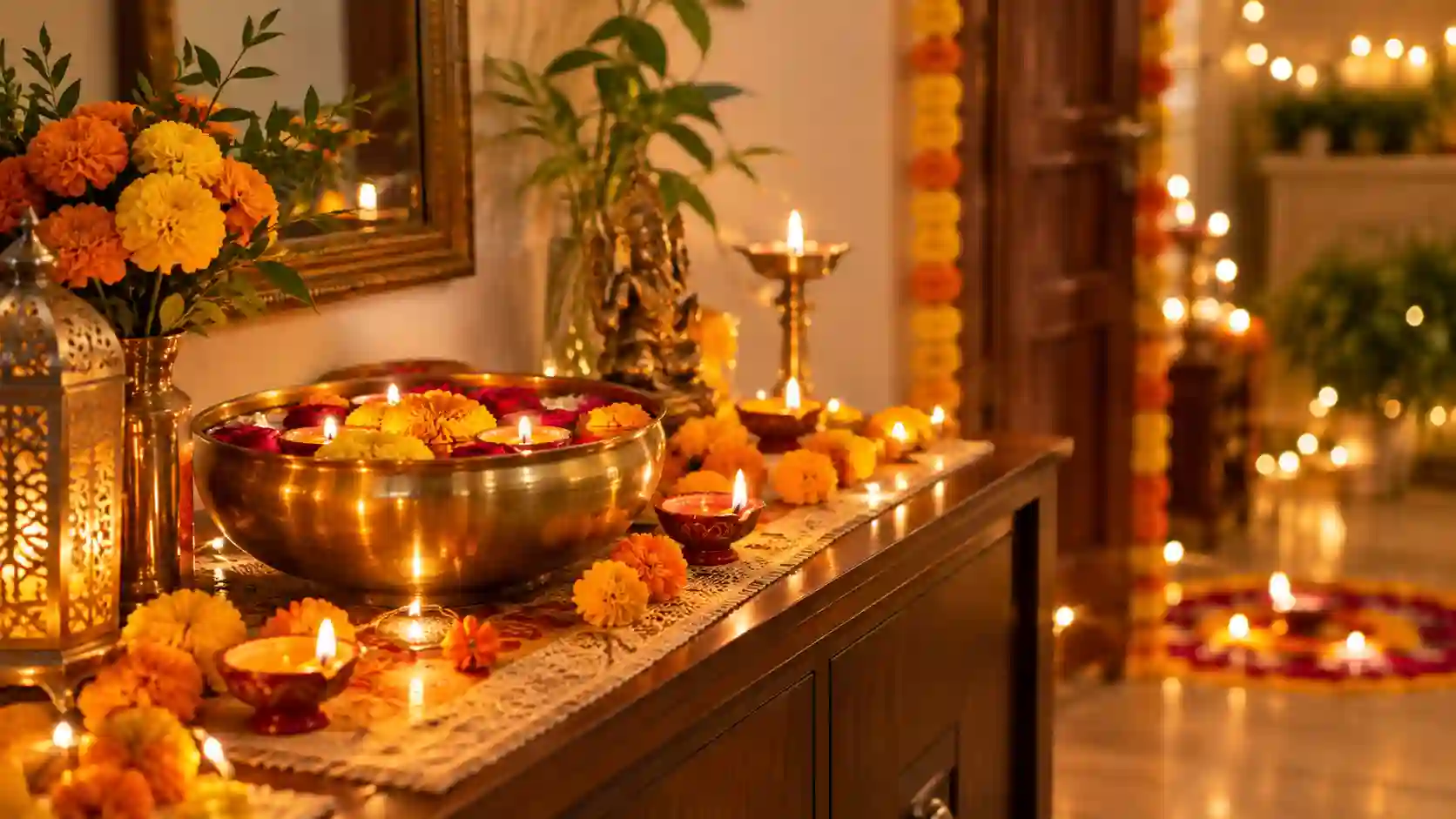
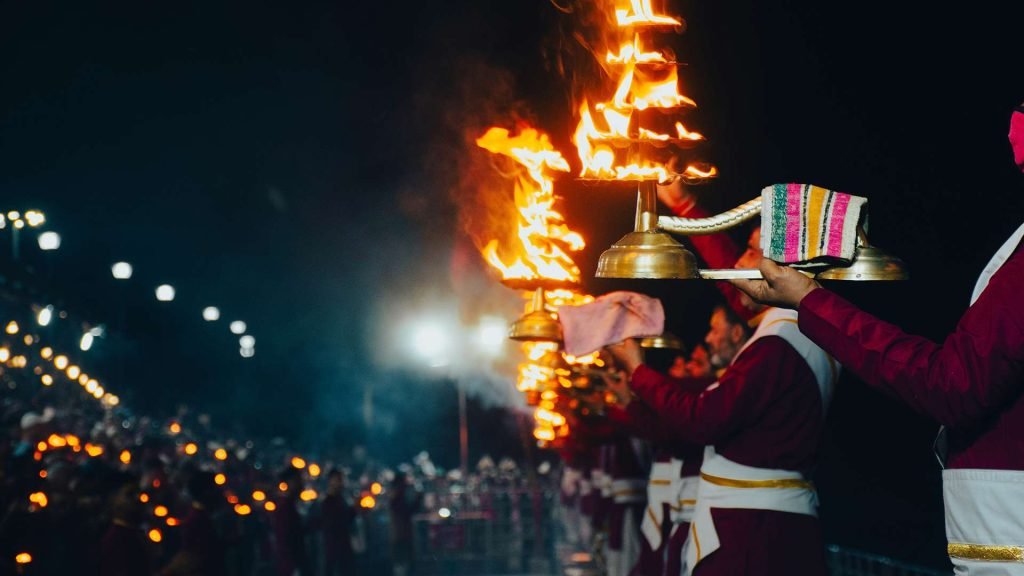
One of the most spectacular rituals dedicated to the River is the Ganga Aarti, performed every evening on the banks of the river in cities like Varanasi, Haridwar, and Rishikesh. The Aarti is a ceremonial worship in which priests offer prayers, fire, incense, flowers, and chants to the goddess. The river is adorned with small floating lamps, creating a breathtaking sight as the sun sets. The Aarti reflects the deep reverence Hindus have for the river and their desire to thank the goddess for her blessings.
Kumbh Mela
The Kumbh Mela, one of the largest religious gatherings in the world, is held every 12 years on the banks of the River and other sacred rivers. Millions of pilgrims gather to bathe in the river during this auspicious time, believing that doing so will free them from the cycle of rebirth. The festival is based on the mythological story of the churning of the ocean of milk (Samudra Manthan) and the search for the nectar of immortality.
The Mythology Behind Kumbh Mela
The roots of Kumbh Mela are found in ancient Hindu mythology, specifically the story of the “Amrit Kumbh” or “Pot of Nectar.” According to Hindu scriptures, gods and demons once united to churn the ocean in search of Amrit, the nectar of immortality. This momentous event, called the Samudra Manthan, symbolizes the eternal quest for purity and immortality
Significance of the Four Main Locations
Each location where Kumbh Mela is held is associated with unique spiritual qualities:
1. Allahabad (Prayagraj)
Located at the confluence of three holy rivers – Ganga, Yamuna, and Saraswati – Prayagraj is known for its “Sangam,” where the Kumbh Mela attracts millions of pilgrims who believe that bathing here will cleanse them of their sins.
2. Haridwar
Situated on the banks of the Ganga, Haridwar is where the river leaves the Himalayas and flows into the plains. Bathing here is considered especially purifying, connecting devotees with the divine presence of the holy river.
3. Ujjain
Located along the Kshipra River, Ujjain is a significant spiritual center associated with Lord Shiva. Bathing in the Kshipra River during the Kumbh is believed to lead devotees toward spiritual liberation.
4. Nashik
On the banks of the Godavari River, Nashik is a sacred city where, according to mythology, the nectar was spilled. Taking a holy dip here during Kumbh is believed to grant blessings and salvation.
Ganga's Role in Hindu Festivals and Rituals
Ganga's Role in Hindu Festivals and Rituals
Many important Hindu festivals are celebrated along the banks of the Ganga. During Makar Sankranti and Ganga Dussehra, devotees offer prayers, take holy dips, and release floating lamps as part of their worship.
- Makar Sankranti marks the Sun’s transition into Capricorn, and pilgrims flock to Ganga to cleanse themselves in her waters.
- Ganga Dussehra, a festival that celebrates Ganga’s descent to Earth, is a time for devotees to offer prayers to the goddess and seek her blessings for prosperity and spiritual growth.
The Environmental and Cultural Importance of the River
This is not only sacred for its religious and mythological significance but is also a vital source of life for millions of people who live along its banks. It provides water for agriculture, industry, and daily life to over 400 million people, making it the most crucial river in India. However, the river faces severe pollution challenges due to industrial waste, untreated sewage, and excessive usage, threatening both its ecological and spiritual sanctity.
The Namami Gange program, initiated by the Indian government, is an ongoing effort to clean and rejuvenate the river, recognizing that the Ganga’s health is essential for the well-being of the entire country.
The River remains an enduring symbol of India’s rich mythological, spiritual, and cultural heritage. It is the embodiment of compassion and purity, flowing eternally to cleanse, heal, and uplift the souls of those who seek her blessings. Whether as a life-giving water source, a sacred purifier, or a goddess of divine grace, It continues to be revered as one of the holiest rivers in the world, shaping the lives and beliefs of millions of people.
For Hindus, the River is more than a geographical feature; she is a living entity, a divine force that offers salvation and spiritual fulfillment, providing a bridge between the material and spiritual realms. The mythological stories and practices associated with Gange serve as a reminder of the deep reverence people have for nature, and the belief in the transformative power of water, life, and divine energy.