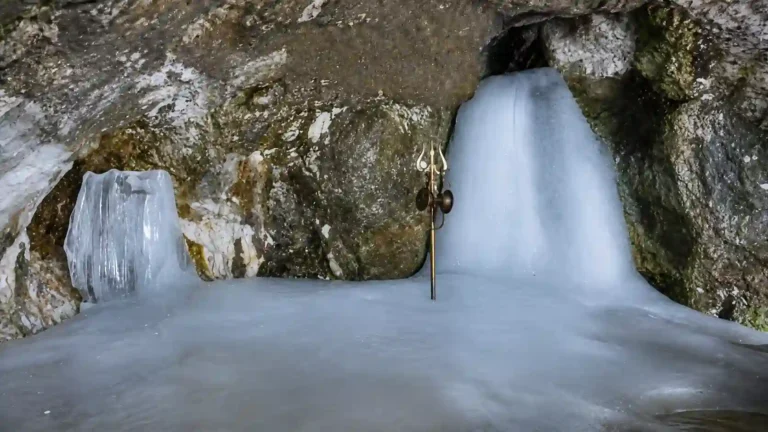

Bhimashankar Temple
Pune District, Maharashtra
One of the 12 Jyotirlingas of Lord Shiva and one of the Char Dham pilgrimage sites, nestled in the lap of the Himalayas at an altitude of 3,583 meters.
Location
Pune District, Maharashtra
Full Address
Bhimashankar Temple, near Bhorgiri village, Khed Taluka, Pune District, Maharashtra – 410509
Latitude
19.07°N (approx. 19°04'19"N)
Longitude
73.54°E (approx. 73°32'10"E)
Built By/ Era
Original shrine dates to around the 13th century; the sabhamandap (assembly hall) and shikhara (spire) were expanded in the 18th century under Nana Phadnavis
Elevation
Roughly 1,000–1,100 m (3,250–3,500 ft) above sea level, in the Sahyadri range of the Western Ghats
Associated Deity
Lord Shiva (Jyotirlinga)
Opening Time
4:00 am
Closing Time
9:00 pm
Timing Notes
The temple generally runs two windows — about 4:30 AM to 3:00 PM, then reopens around 4:00 PM to 9:00 PM, with a short midday break for rituals. Timings can shift during Mahashivratri, Shravan month, and the monsoon, so it's worth checking locally or with the temple trust before traveling.
Overview
Bhimashankar sits inside its own namesake wildlife sanctuary, a 131 sq. km protected forest that’s part of the UNESCO World Heritage-listed Western Ghats. The temple itself blends Nagara and Hemadpanthi architectural styles, built from black stone with elaborately carved pillars, doorframes, and courtyards depicting scenes from Hindu mythology. A large Nandi statue, the sacred bull, stands guard at the entrance, while the sanctum — set at a slightly lower level than the rest of the temple — houses the Swayambhu linga at its center.
What makes this Jyotirlinga’s setting genuinely rare is its ecology. The surrounding forest shelters the Indian giant squirrel (the state animal of Maharashtra), along with leopards, and a striking range of birds, butterflies, and endemic plant species. It’s also the source of the Bhima River, which winds its way southeast before eventually merging with the Krishna River — a detail many devotees believe gives the temple its name.
Just beside the main shrine stands a smaller temple to Kamalaja, an incarnation of Parvati who is said to have assisted Shiva in his battle with the demon Tripurasura, along with shrines to the Shivaganas Shakini and Dakini who fought at his side. For pilgrims, the two-in-one experience — sacred darshan plus a walk through dense, biodiverse forest — is part of what makes Bhimashankar memorable.
⛰ 12 Jyotirlingas
🕉 Char Dham
✨ Sacred Place
History
Bhimashankar’s mythology centers on the demon Tripurasura, who is said to have performed intense penance in these forests to gain power from Lord Shiva. According to the legend recounted in the Shiva Purana, Tripurasura’s boons eventually made him arrogant and destructive, and the gods pleaded with Shiva to intervene. Shiva took on a colossal, fierce form — the “Bhima” of Bhimashankar — and destroyed the demon in a battle fought in this very forest. In the aftermath, devotees requested Shiva to remain here permanently in the form of a Jyotirlinga, and he is said to have done so, manifesting as the self-born linga worshipped today.
Historically, the temple’s foundations are traced to around the 13th century, making it one of the older Jyotirlinga sites still in continuous worship. The structure seen today, however, isn’t purely from that era — the sabhamandap and shikhara were rebuilt and expanded in the 18th century under the patronage of Nana Phadnavis, the influential statesman of the Peshwa administration, whose contributions to temple architecture across Maharashtra (including work associated with other Jyotirlingas) left a lasting mark on the region’s religious landscape.
Over the centuries, Bhimashankar’s remote, forested location — challenging to reach for much of its history — meant it retained a wilder, less commercialized character compared to some other Jyotirlingas. That isolation is part of why the surrounding forest survived largely intact and was eventually protected as a wildlife sanctuary in 1984, layering ecological significance on top of the temple’s religious importance.
Temple Timings
Opening Time
4:00 am
Closing Time
9:00 pm
Aarti Timings
Morning Aarti
4:00 am
Evening Aarti
9:00 pm
Timing Notes
How to Reach
By Air: The nearest airport is Pune International Airport (PNQ), roughly 120–125 km away, with strong connectivity to Mumbai, Delhi, and other major Indian cities. From the airport, taxis and buses run toward Bhimashankar, generally via Manchar.
By Rail: Pune Junction is the primary railway gateway, about 110–125 km from the temple, connected to most major Indian cities. Karjat Railway Station, roughly 150 km away, is another option depending on your route, especially if you’re coming from Mumbai.
By Road: Bhimashankar is about 110–125 km from Pune, 124 km from Lonavala, 210 km from Nashik, and around 223–224 km from Mumbai. The most common route from Pune runs via Manchar and Ghodegaon, climbing steadily into the Sahyadri hills — a scenic but winding drive that typically takes around 3–3.5 hours. State transport (MSRTC) buses run from Pune, and private taxis are readily available for a more flexible, direct trip.
Local Tip: The final stretch of road into Bhimashankar climbs through ghat sections with sharp turns, so it’s best to avoid driving after dark, especially during monsoon when the roads can get slippery. If you’re coming during the rainy season, budget extra travel time.
Nearby Places
Frequently Asked Questions
Kedarnath Temple is famous as one of the 12 Jyotirlingas and part of the Char Dham pilgrimage.
It is believed to have been built by the Pandavas and later reconstructed by Adi Shankaracharya.
The temple closes due to heavy snowfall making the region inaccessible; the deity is moved to Ukhimath.
The temple is open from May to October, with pleasant weather during these months.
Via road to Gaurikund, followed by a 16 km trek, or by helicopter services available seasonally.
You Might Also Like -
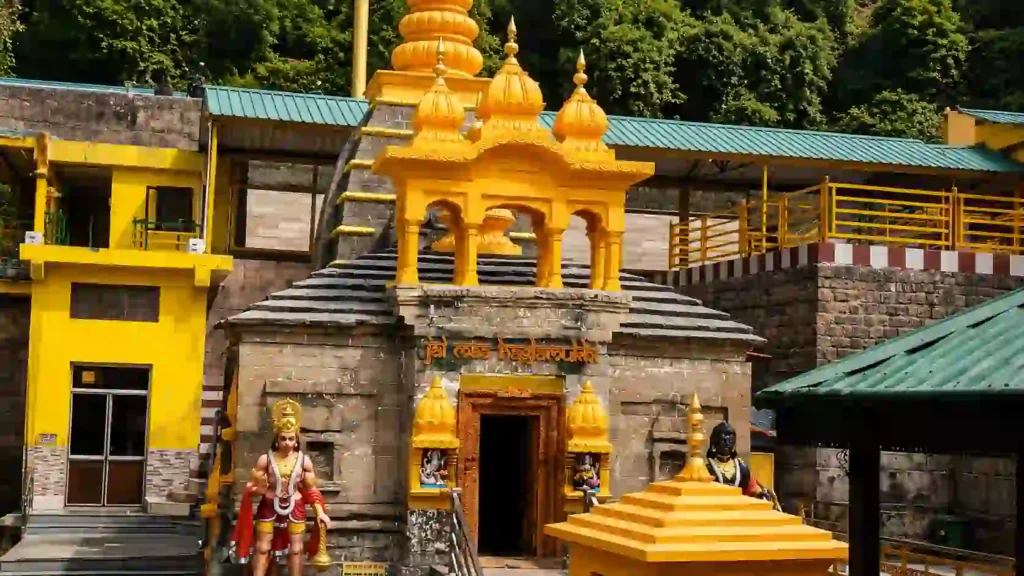
Maa Baglamukhi Temple
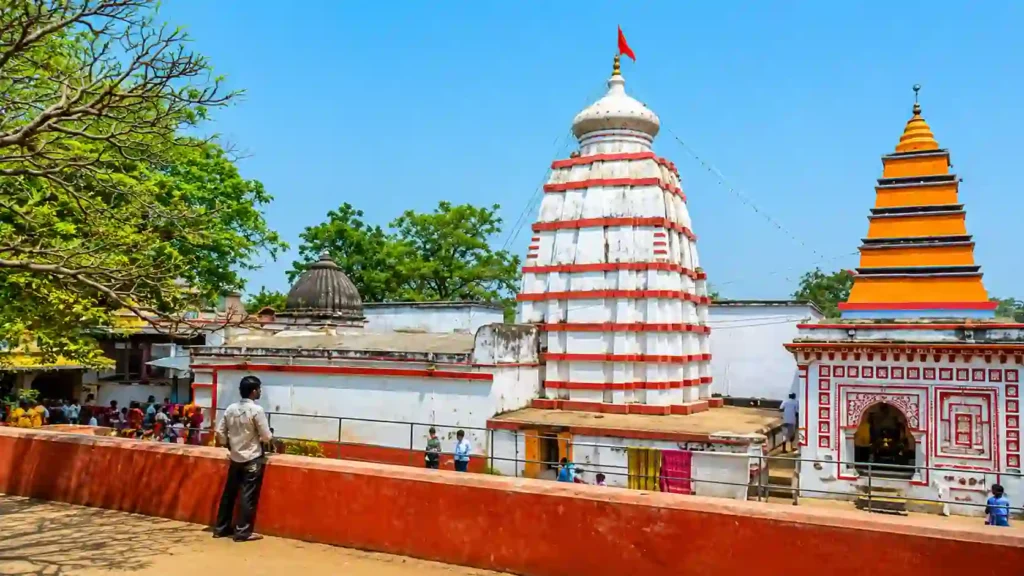
Bakreshwar Temple
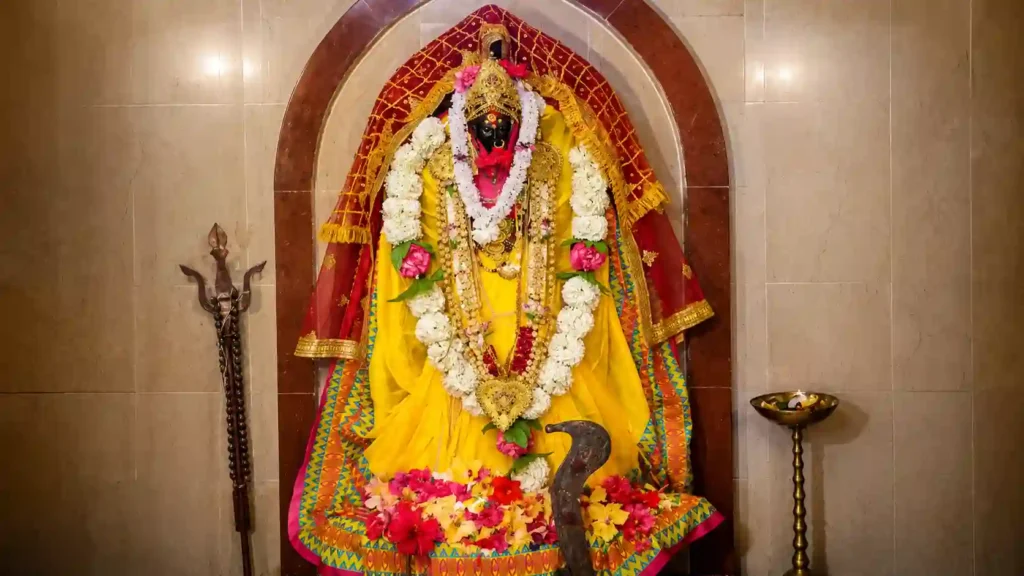
Bahula Devi Temple (Shakti Peeth)
Attahas Temple (Phullara Shakti Peeth), Birbhum