

When Is Sankat Chauth Observed?
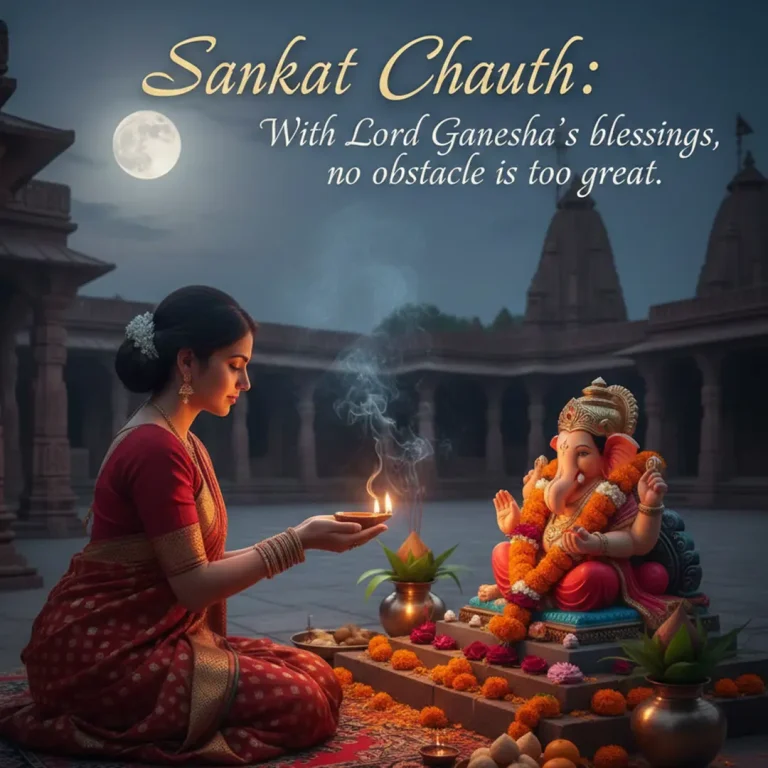
Sankat Chauth is observed on the fourth day (Chaturthi) of the Krishna Paksha, the waning phase of the moon, every month in the Hindu calendar. Among all monthly Sankat Chauths, the one that falls in the month of Magha (January–February) is considered especially powerful and widely celebrated. Devotees break their fast only after the moonrise, making moon worship an essential part of the ritual. According to Hindu calendar in 2026 it is observed from the morning of January 6 until after the moonrise on the evening of the same day or early morning of January 7 (depending on local moonrise time).
Religious and Spiritual Significance
Lord Ganesha is worshipped before beginning any auspicious work, as he is believed to remove hurdles and bless devotees with clarity and success. Observing Sankat Chauth is believed to: I.Remove obstacles and hardships from life II.Bring prosperity, good health, and happiness III.Protect devotees from negative influences IV.Fulfill wishes through faith and patience According to Hindu beliefs, fasting on Sankat Chauth strengthens one’s connection with Lord Ganesha and invites divine grace into daily life.
Rituals and Traditions of Sankat Chauth
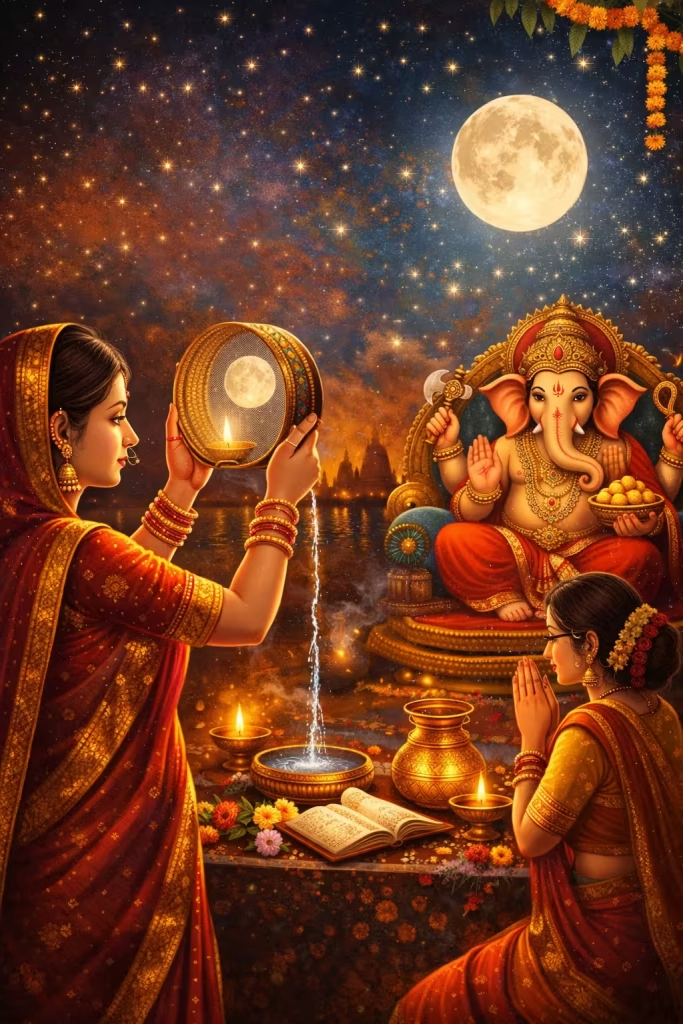
The day is observed with devotion, discipline, and simplicity. The main rituals include: 1. Observing the Fast (Vrat) Devotees fast from sunrise until moonrise. Some observe a strict fast without food or water, while others consume fruits or vrat-friendly meals. 2. Ganesha Puja In the evening, devotees perform a special Ganesha Puja at home or in temples. Offerings include: Durva grass Modak or laddoos Flowers, incense, and lamps 3. Vrat Katha Listening to or reading the Sankat Chauth Vrat Katha is an important ritual, as it highlights the rewards of devotion, faith, and perseverance. 4. Moon Worship After sighting the moon, devotees offer water, flowers, and prayers. The fast is then broken, seeking blessings from both Lord Ganesha and Chandra Dev (Moon God).
Importance of Sankat Chauth for Women
Sankat Chauth holds special significance for women. Married women observe the fast for the well-being, longevity, and prosperity of their husbands and families, while unmarried women pray for a good life partner and a happy future. The fast reflects strength, devotion, and self-discipline, making it a powerful spiritual practice.
Mental and Spiritual Benefits
Beyond religious beliefs, Sankat Chauth offers several inner benefits: Encourages self-control and patience Promotes positive thinking and faith Helps reduce stress through prayer and devotion Inspires reflection and spiritual growth In today’s fast-paced life, such observances help people slow down and reconnect with their inner selves.
Relevance in Modern Times
Even in modern society, Sankat Chauth remains meaningful. People now observe it not only to follow tradition but also to seek mental peace, emotional strength, and guidance during difficult times. The festival reminds us that challenges are temporary and can be overcome with faith and determination.
Sankat Chauth is more than just a fast—it is a spiritual journey of faith, patience, and devotion. By observing this auspicious day with sincerity, devotees believe they can remove obstacles from their lives and welcome peace, prosperity, and happiness. In a world full of uncertainties, Sankat Chauth stands as a reminder that with Lord Ganesha’s blessings, no obstacle is too great to overcome.
Add Your Heading Text Here
Post Views: 6