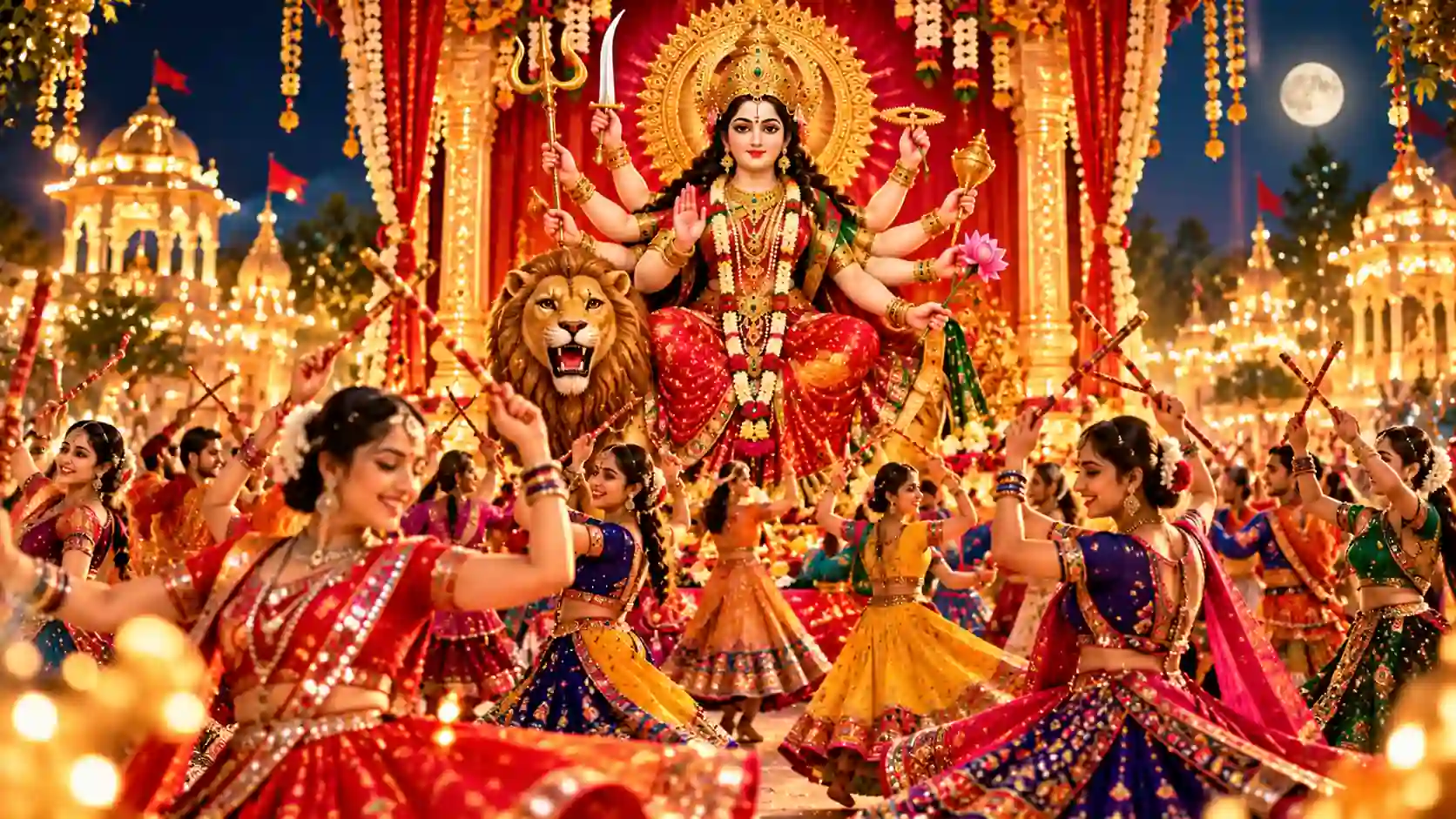


Good Navratri preparation comes down to three decisions made early: how you will fast, where the kalash will sit, and which day you will hold Kanya Pujan. Navratri 2026 begins on Sunday, 11 October, which leaves the week before for shopping, cleaning and cooking, and the nine days themselves for worship rather than errands. This checklist breaks the festival into simple stages so that the work is spread out and nothing is left to the last evening.
Navratri Preparation: Dates to Plan Around
- Sunday, 11 October: Ghatasthapana (New Delhi muhurat 6:19 AM–10:12 AM; Abhijit Muhurat 11:44 AM–12:31 PM)
- Sunday, 18 October: Durga Ashtami
- Monday, 19 October: Maha Navami
- Tuesday, 20 October: Vijayadashami / Dussehra
Muhurat times are for New Delhi and change by city. Check a local panchang before the first morning.
One Week Before: Decide, Then Shop
Make the three big decisions
Talk to your family about the type of fast each person will keep: all nine days, the first and last day, Ashtami only, or a phalahar (fruit and milk) diet. Decide whether you will do Kanya Pujan on Ashtami or Navami; families usually follow their own custom here. And choose the spot for the kalash. It should be clean, undisturbed for nine days, and ideally where a lamp can burn safely. Many households prefer the north-east corner, but a quiet, clean space matters more than direction.
Puja samagri checklist
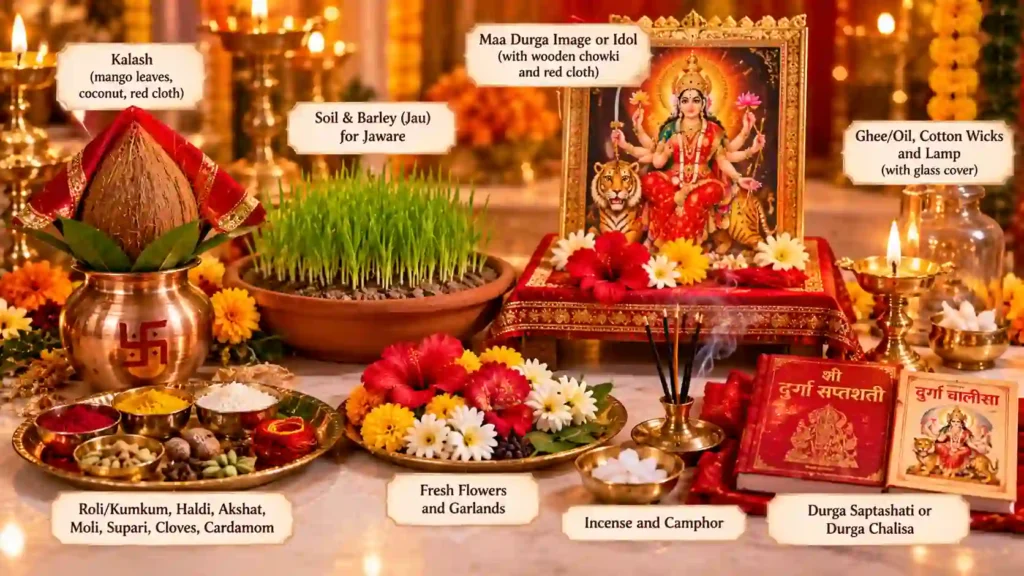
- Kalash (copper, brass or clay), mango leaves, a coconut with husk, and red cloth or chunri
- A wide clay pot or tray, clean soil and barley (jau) for sowing jaware
- Image or idol of Maa Durga, a wooden chowki and a red cloth to cover it
- Ghee or oil, cotton wicks, a sturdy lamp (and a glass cover if you keep an akhand jyoti)
- Roli or kumkum, haldi, akshat (unbroken rice), moli (sacred thread), supari, cloves, cardamom
- Incense, camphor, fresh flowers and garlands (buy flowers daily or every two days)
- A copy of the Durga Saptashati or the Durga Chalisa for daily recitation
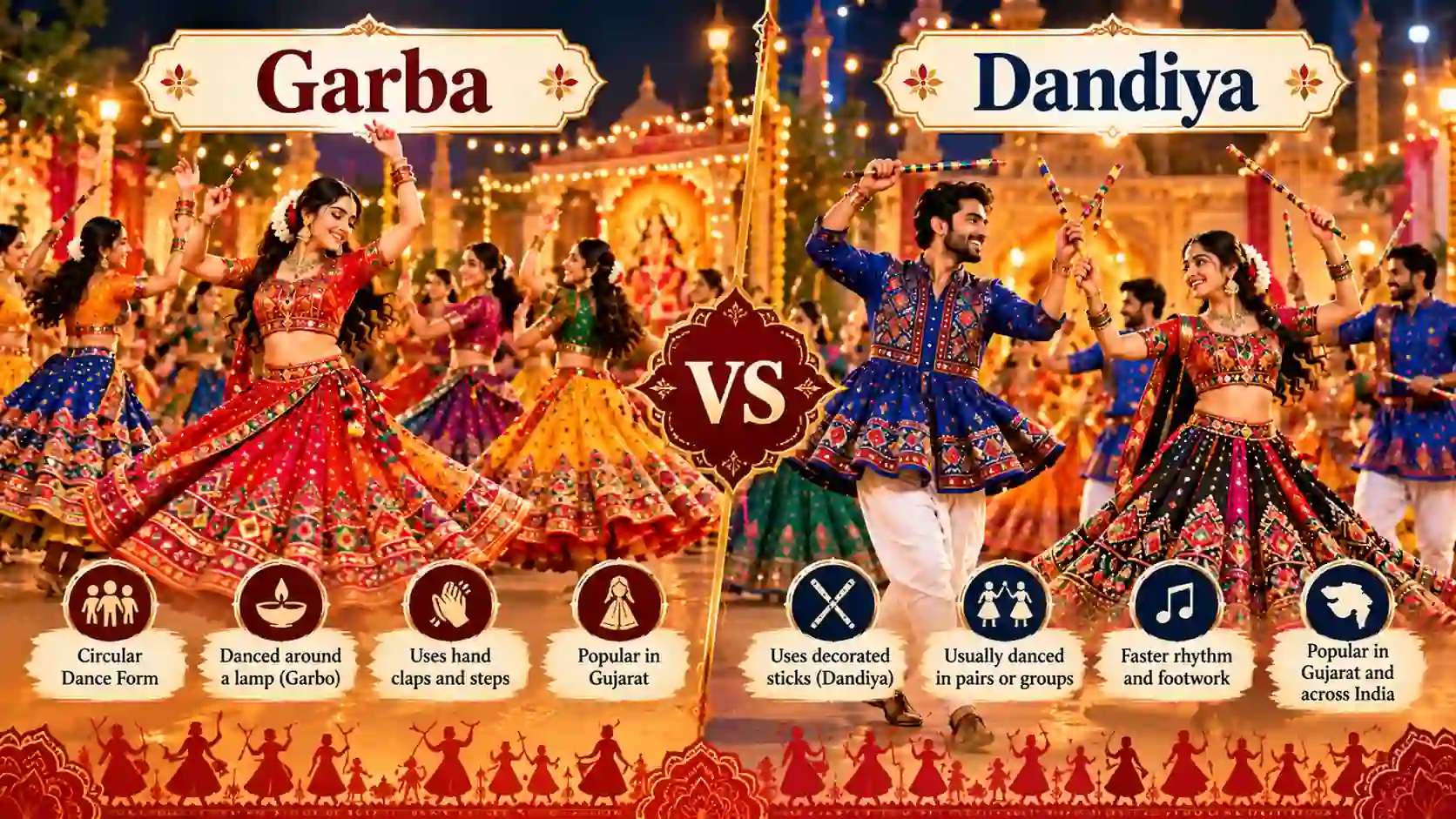
If you plan to go to Garba or Dandiya nights, book passes and plan transport this week too. Popular venues tend to fill up as the festival gets closer.
Two Days Before: Clean and Stock the Kitchen
Clean the puja area thoroughly and the kitchen if you plan to cook vrat food separately. Then stock the fasting pantry: kuttu (buckwheat) flour, singhara (water chestnut) flour, rajgira (amaranth), samak rice, sabudana, sendha namak, peanuts, makhana, potatoes, sweet potatoes, fresh fruit, milk, curd and paneer. Buckwheat and water chestnut flours spoil faster than wheat, so buy smaller packets and store them airtight.
A small amount of prep saves a lot of effort later. Roast and store makhana and peanuts, boil a batch of potatoes for the first two days, and set curd the night before. If anyone in the family is diabetic, pregnant, elderly or on regular medication, discuss the fast with a doctor now rather than in the middle of the festival.
The Night Before: Set Up the Altar
On Saturday, 10 October, place the chowki, the cloth, the image of the Goddess and the tray of soil so that the morning of Ghatasthapana is only about the ritual itself. Soak the barley if your family does so, fill water for the kalash, and keep the samagri on one plate. Set an alarm with enough time to bathe and finish before the muhurat window closes.
During the Nine Days: Keep a Simple Rhythm
A sustainable daily routine might look like this: a short morning puja with a lamp and flowers, a few chapters of the Saptashati or the Chalisa, water for the jaware, and an evening aarti. Write the name of each day’s goddess on a sticky note on the fridge so that children can follow along. Repeat simple meals rather than inventing a new vrat dish every day; a rotation of three or four favourites keeps the kitchen calm.
If you are attending Garba late into the night and fasting by day, plan for sleep. Rest in the afternoon on weekends, keep water and something light to eat after dancing, and don’t feel you must attend every single night.
Planning Kanya Pujan
Kanya Pujan in 2026 will fall on Sunday, 18 October (Ashtami) or Monday, 19 October (Navami), depending on your family custom. Since Ashtami is a Sunday this year, many neighbours will be hosting on the same morning. Invite families a few days ahead and agree on a time so that children aren’t rushed from house to house. Prepare halwa, puri and black chana the evening before where possible, and keep small gifts, such as stationery, bangles or a red chunri, ready in advance.
After Navratri: Close the Festival Properly
On Navami or Dashami, depending on custom, the kalash is respectfully moved and the jaware are offered. Many families sprinkle the kalash water around the home and immerse the jaware in clean flowing water or place them in a garden or plant pot. Then the festival flows into Dussehra on 20 October and, less than three weeks later, Diwali.
What to Delegate
Stress usually comes from one person doing everything. Children can manage flowers and the jaware; another family member can own the evening aarti; someone else can handle Kanya Pujan invitations. Buying ready-made items such as garlands, chunris or sweets for prasad is not a lesser form of devotion. What matters is the attention you bring to the worship.
Frequently Asked Questions
When should I start preparing for Navratri 2026?
Start about a week before Ghatasthapana on 11 October. Shop for samagri and fasting staples early, and set up the altar on the evening of 10 October.
What if I miss the Ghatasthapana muhurat?
Panchangs list the Abhijit Muhurat (11:44 AM–12:31 PM in New Delhi on 11 October) as an alternative. Ask your family priest if you need guidance.
Can I celebrate Navratri if I live alone or in a small flat?
Yes. A small chowki, a picture of the Goddess, a lamp and daily prayer are enough. Many people skip the akhand jyoti when no one can stay home to watch it.
Is it necessary to fast all nine days?
No. Many devotees fast on the first and last days, or only on Ashtami, and some don’t fast at all. Choose what your health and routine allow.
A Calm Navratri Is Still a Devoted One
Planning ahead isn’t about making the festival more elaborate. It’s about clearing space so that the nine days can be spent in prayer, with family, and in the Garba circle rather than at the market. For the full schedule, goddesses and rituals, see our Navratri 2026 celebration guide.