
The Eternal Festival of Victory
Every year, Vijayadashami, also known as Dussehra, is celebrated across India with unmatched zeal. Streets light up with effigies of Ravana ready to burn, stage plays narrate the Ramayana in Ramlila grounds, and families gather to mark the victory of good over evil. Yet, beneath the festivities lies a profound message that has echoed across centuries: the triumph of righteousness over arrogance, humility over ego, and truth over deceit. Vijayadashami is not just a cultural celebration; it is a reminder that the struggles of Rama and Ravana are mirrored in our everyday lives.
As society evolves, so does the significance of this festival. Today, Dussehra speaks not only to mythological tales but also to contemporary challenges, whether personal battles, workplace dilemmas, or societal struggles. By understanding Vijayadashami beyond its rituals, we uncover timeless lessons that guide us through modern dilemmas.
The Epic Foundation: Rama's Victory Over Ravana
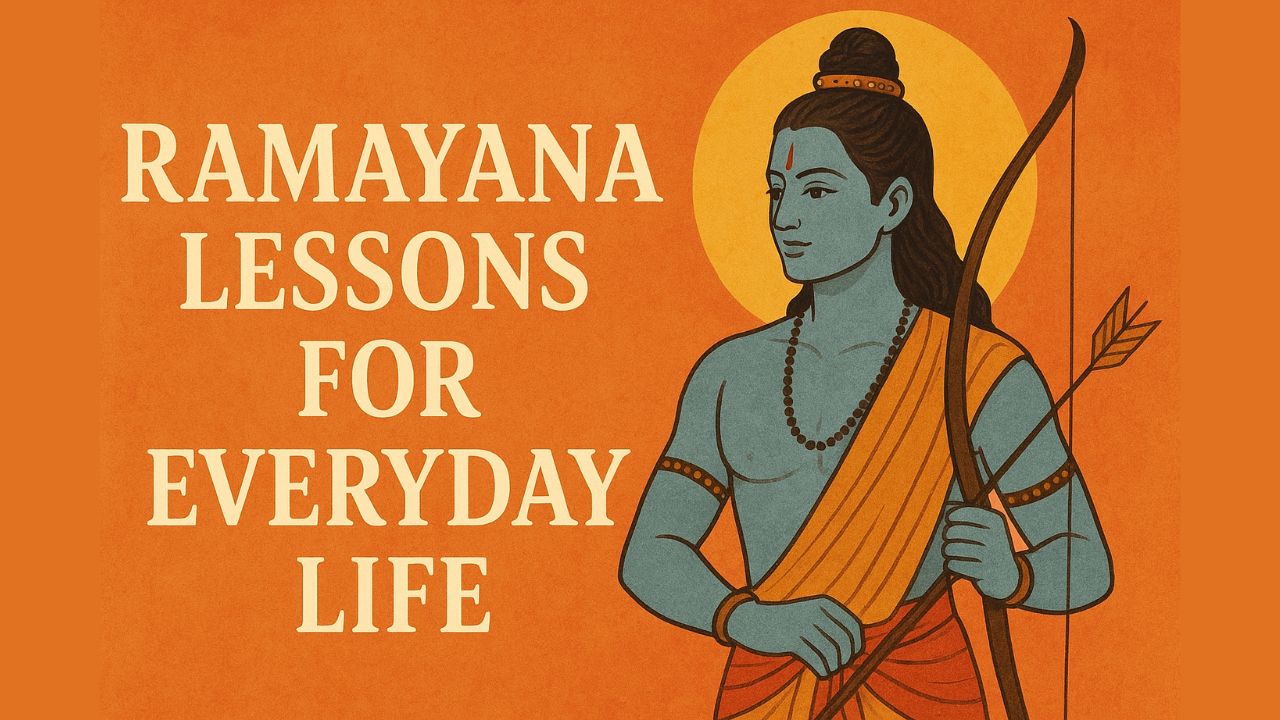
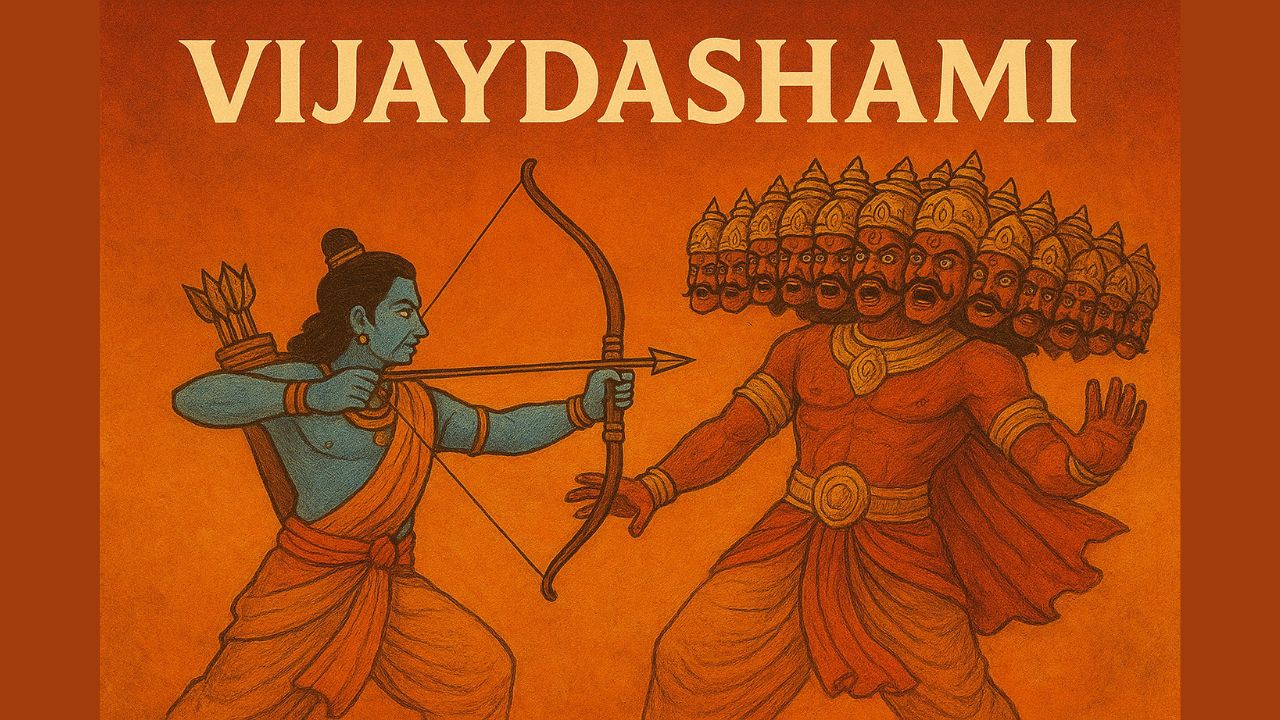
Lord Rama and Ravana’s epic battle is at the center of Vijayadashami. Legends surround Rama’s 14-year exile, Sita’s kidnapping, and the ensuing conflict. In addition to being a military success, Rama’s eventual defeat of Ravana signifies the triumph of dharma (righteousness) over adharma (unrighteousness).
This victory resonates because it mirrors the inner conflicts we all face: temptation against discipline, arrogance against humility, selfishness against duty. In a sense, when someone overcomes their own shortcomings or bad influences, they celebrate their own Vijayadashami. The festival is a reminder that the true battle is not outside but within.
Regional Variations of Dussehra: One Festival, Many Narratives
Though rooted in the Ramayana, Vijayadashami is celebrated in diverse forms across India.
In North India, Ramlila performances dramatize the Ramayana, culminating in the burning of Ravana’s effigy, a symbolic destruction of evil.
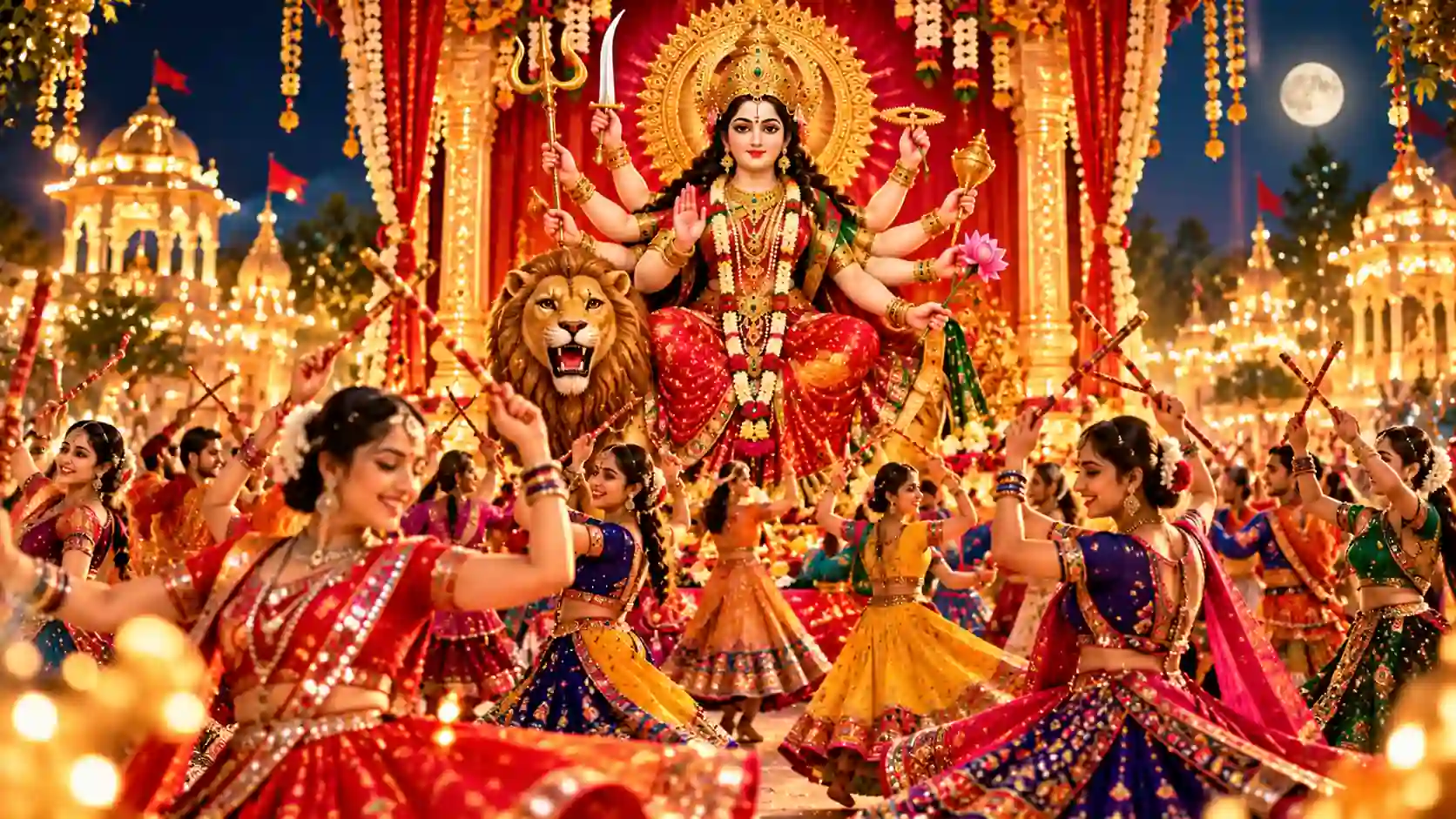
In West Bengal and Eastern India, it coincides with Durga Puja, where Goddess Durga slays the demon Mahishasura, reinforcing the same message of good defeating evil.
In South India, families arrange Golu (doll displays), while Mysuru Dussehra is world-famous for its grand processions and cultural pageantry.
The leaves of the Apta tree are traded as gold in Gujarat and Maharashtra as a sign of friendliness and success.
This diversity of celebration shows how Vijayadashami is not confined to one story or tradition; it is a universal message woven into different cultural fabrics.
Burning Ravana: Symbolism Beyond the Effigy
The act of burning Ravana’s effigy is a highlight of the festival. But who is Ravana today? He is not merely the mythological king of Lanka; he lives on as greed, anger, ego, corruption, jealousy, and injustice.
Each effigy set aflame is not just an act of celebration but a symbolic reminder to conquer personal demons. Do we let ego dominate our decisions? Do we allow greed to overshadow integrity? In a sense, Dussehra challenges us to identify and burn the Ravanas within.
Lessons in Leadership from Vijayadashami
The festival also reflects different leadership models that remain relevant today. Rama’s leadership was rooted in dharma, fairness, and sacrifice. Modern leaders can learn that true authority is built on integrity, not coercion. Hanuman’s unwavering dedication and humility highlight the value of servant leadership, where success comes through teamwork, not ego. Vibhishana’s choice to stand by dharma instead of blind loyalty to his brother shows the courage required to uphold truth, even when unpopular.
In political or business settings, these lessons are priceless. Vijayadashami tells us that being a leader is about guiding with moral strength and principles rather than dominating others.
The Feminine Power in Vijayadashami
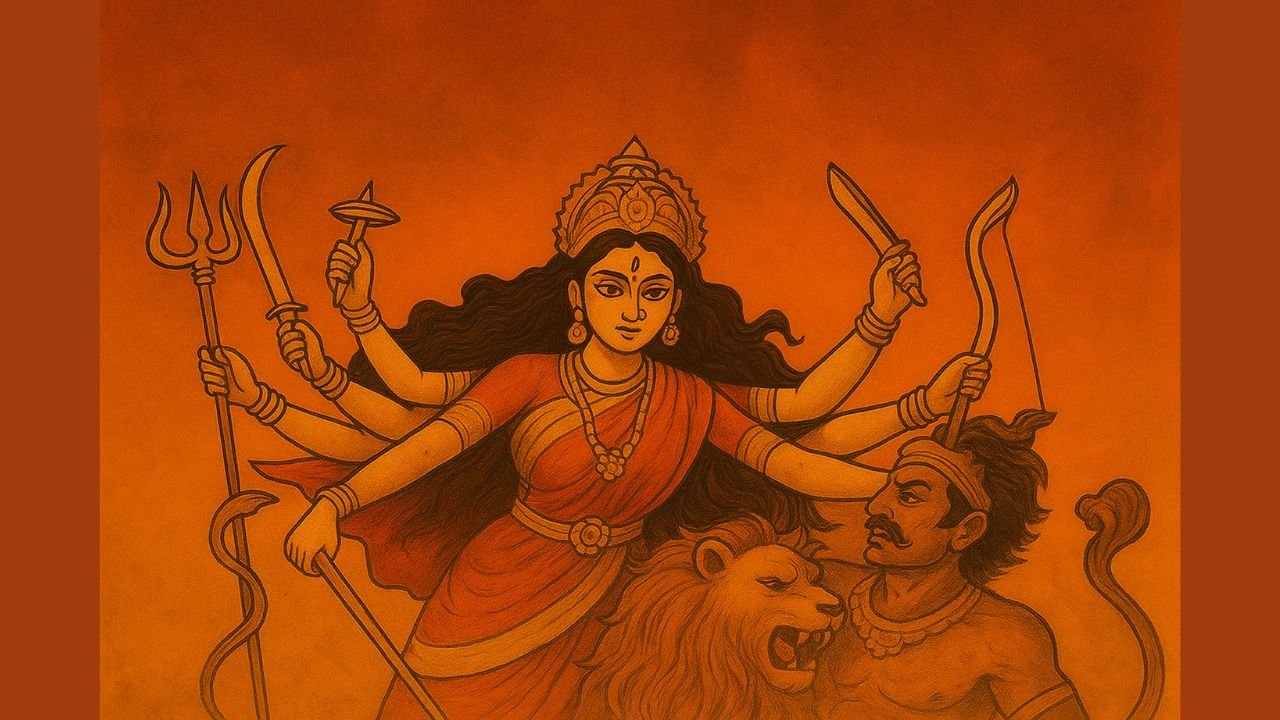
Vijayadashami highlights the importance of female power in addition to the importance of Rama’s victory. Goddess Durga’s victory over Mahishasura is commemorated with similar grandeur in Durga Puja customs. Both tales emphasize that evil, however strong, cannot withstand truth and justice.
In today’s context, this symbolism connects with women’s empowerment. Just as Durga represents strength and resilience, women across the world continue to challenge systemic barriers, asserting independence, and reshaping narratives of power. Vijayadashami thus stands as a festival of not just Rama’s victory, but also of the Shakti (divine feminine energy) that fuels transformation.
Personal Reflections: Vijayadashami in Daily Life
For many people, celebrating Dussehra involves more than simply going to parties; it also involves taking some time to reflect. Some families make it a ritual to reflect on the year’s mistakes and renew their commitment to personal growth. Schools often encourage children to write about the Ravana they want to overcome, anger, laziness, dishonesty, or fear.
This makes the festival deeply personal. It is about creating better people and, consequently, a better society, not only about large stages or cultural shows.
Vijayadashami in the Modern World: Societal Relevance
Even beyond personal growth, Dussehra carries strong societal messages. Ravana represents unchecked power and arrogance, still relevant in times when corruption or unethical practices harm society. While effigy burning is symbolic, some communities now advocate eco-friendly celebrations, merging tradition with sustainability. Large gatherings during Ramlilas and pujas remind us of the strength of collective identity and cultural heritage, essential in today’s fragmented world.
Thus, the festival is not locked in mythology; it evolves to meet the challenges of each era.
The Forest and the Journey: Growth through Trials
Celebrations of Dussehra also honor Rama’s years of exile. We learn from his trip through the woods and adversity that trials are not punishments but rather chances for personal development. In modern times, this reflects career setbacks, personal struggles, or transitional phases. Just as Rama emerged stronger, individuals today can use challenges as stepping stones to resilience.
Why Vijayadashami Endures
Festivals endure because they adapt while retaining their core messages. Vijayadashami endures because it speaks to universal truths: that good must fight evil, that arrogance leads to downfall, and that integrity stands the test of time.
Vijayadashami’s energy endures in everything from boardrooms to epic wars, from effigies to common problems. It is not just about watching Ravana burn but about igniting the fire of courage, humility, and justice in our own lives.
Living Vijayadashami Every Day
Vijayadashami is more than a date on the calendar; it is a philosophy. It urges us to burn the effigies of our own shortcomings, to lead with responsibility, to honor resilience, and to celebrate the victory of truth in all forms.
As effigies rise and fall in flames each year, they leave behind a glowing truth: evil may appear mighty, but righteousness, backed by courage and humility, will always prevail. By embracing these lessons, every individual can live Vijayadashami daily, not just once a year.
Vijayadashami (Dussehra) 2025
Date & Tithi
- Observed on: Thursday, 2 October 2025
- Dashami Tithi begins: 1 October 2025 at 3:16 PM
- Dashami Tithi ends: 2 October 2025 at 4:26 PM
Auspicious Muhurta (Puja Time)
Recommended for Shastra Puja, Vidyarambham, etc.:
- From sunrise until 4:26 PM on 2 October 2025
- City-specific details (New Delhi, IST):
- Aparahna Puja Time: 1:21 PM to 3:44 PM
- Vijay Muhurat: 2:09 PM to 2:56 PM on 2 October 2025