10 Animals with Symbolic Meaning in Indian Mythology That Will Change How You See Them
By: Prayorshi Mishra
August 7, 2025
Share
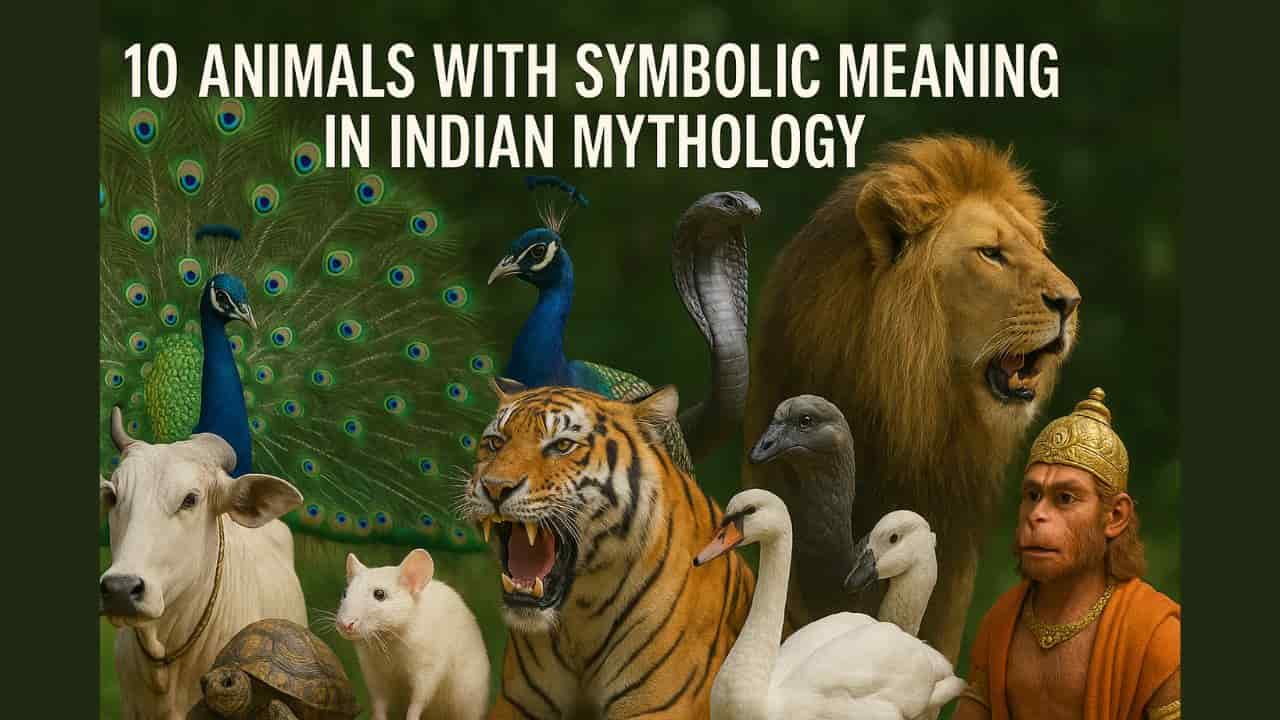
Indian mythology is full of stories, some magical, some deep, and some that make us stop and think. But what many people don’t notice is how animals play a really big role in these stories. They’re not just background characters. They have deep meanings. From elephants to snakes, every animal represents something special: power, wisdom, fear, purity, or even destruction.
So let’s talk about 10 animals with symbolic meaning in Indian mythology. Trust me, once you read this, you’ll never look at these animals the same way again.
1. Elephant: Symbol of Wisdom and Royalty
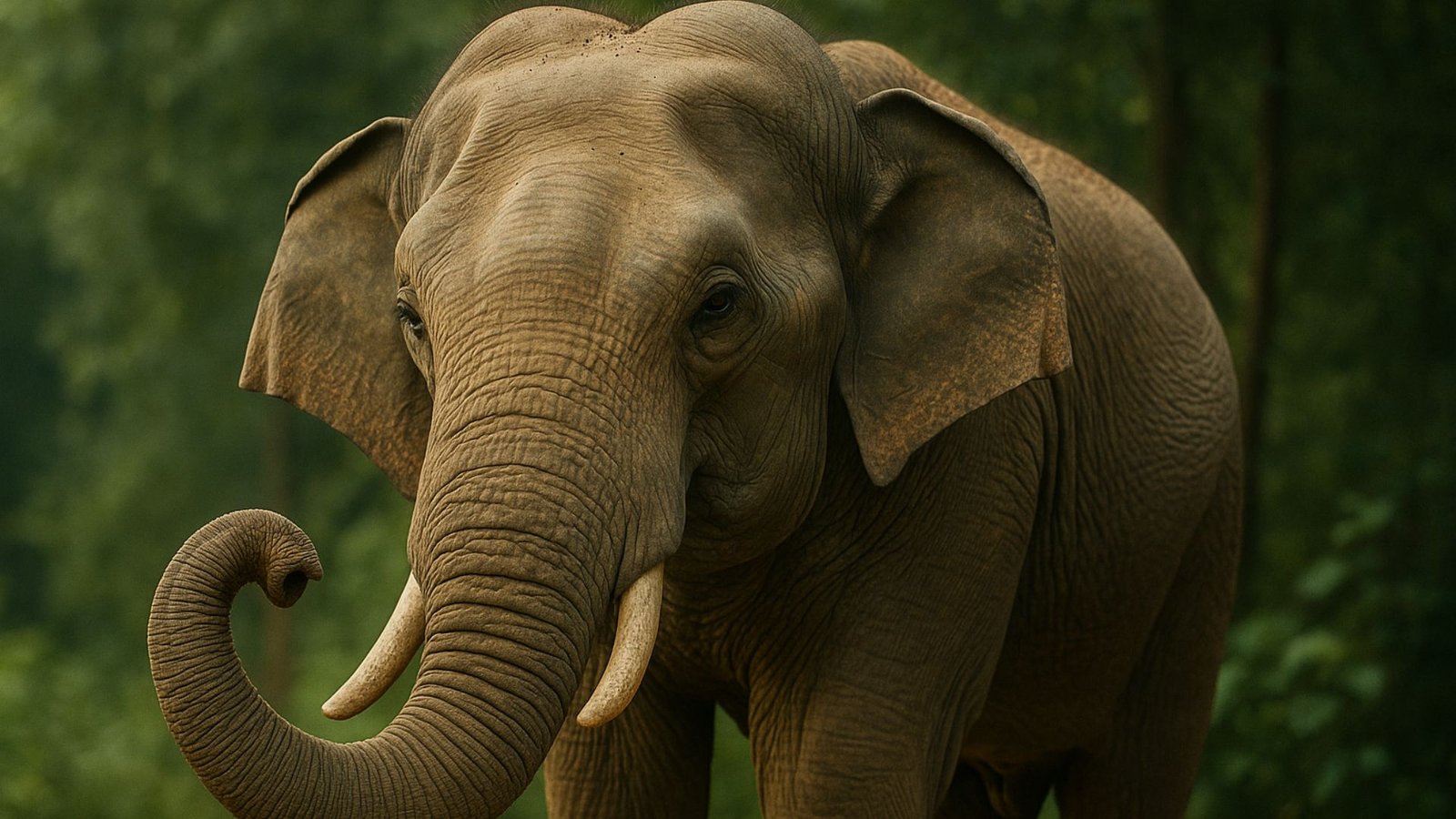
In Indian mythology, the elephant is more than just a huge animal. It’s considered a symbol of intelligence, peace, and royalty. Lord Ganesha, the elephant-headed god, is loved by all. He is the one who is known to remove all the difficulties from your path and give you wisdom to live your life wisely.
People often pray to Ganesha before embarking on new endeavors, whether it’s starting a new job, getting married, or purchasing a new home. So, yes, elephants are super special among animals with symbolic meaning in Indian mythology.
2. Peacock: Beauty, Pride, and Divine Protection
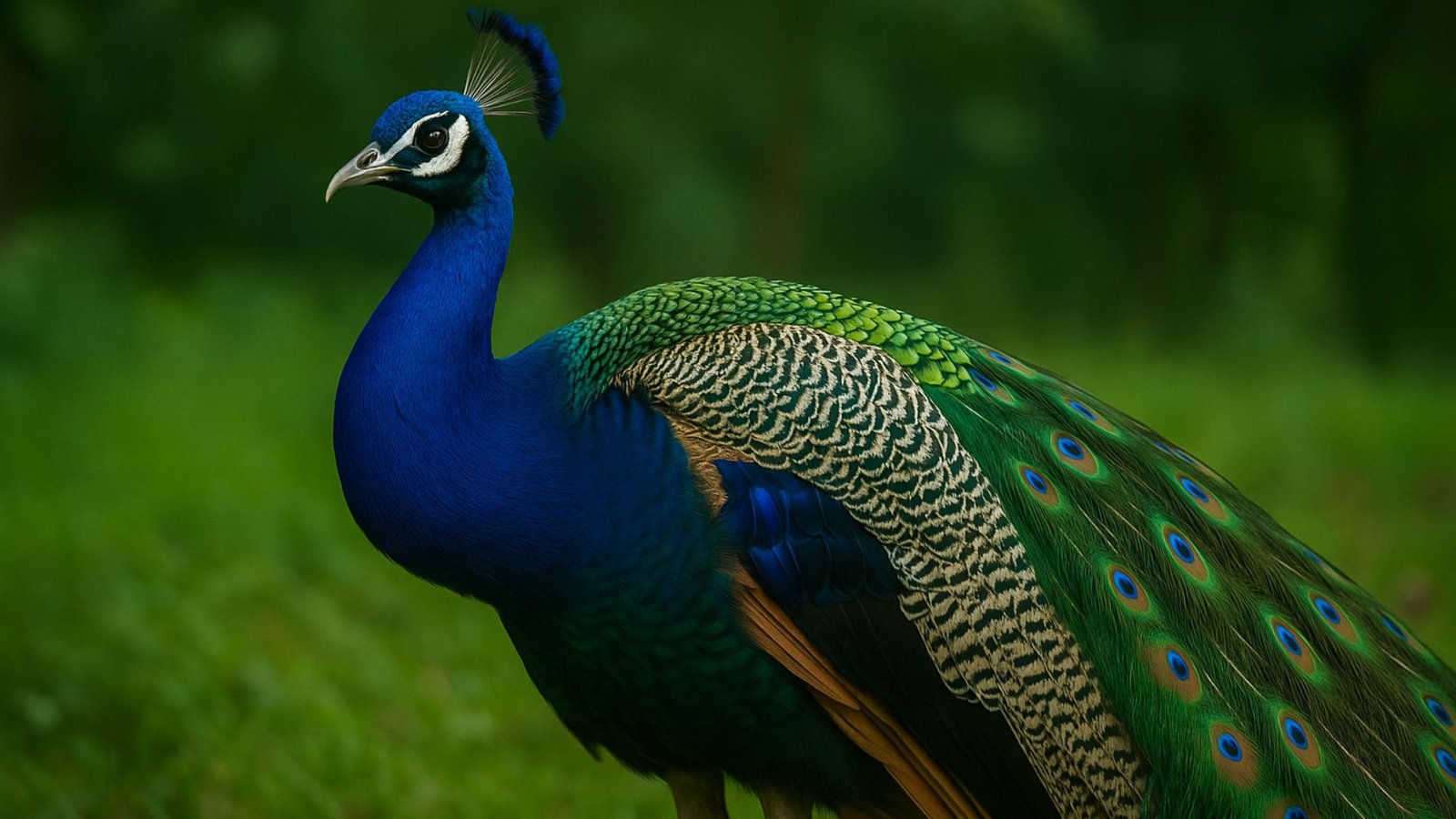
The peacock is India’s national bird, but did you know it’s also the vehicle(vahana)of Lord Kartikeya and is associated with Goddess Saraswati? In Indian mythology, too, its significance is as beautiful as the peacock himself. It is seen as a representation of beauty, elegance, and protection from evil.
Its vibrant feathers are known to remove all the evil eyes and negative energy from your life. That’s why many Indian homes and temples have peacock feathers in them.
3. Snake: Fear, Rebirth, and Power
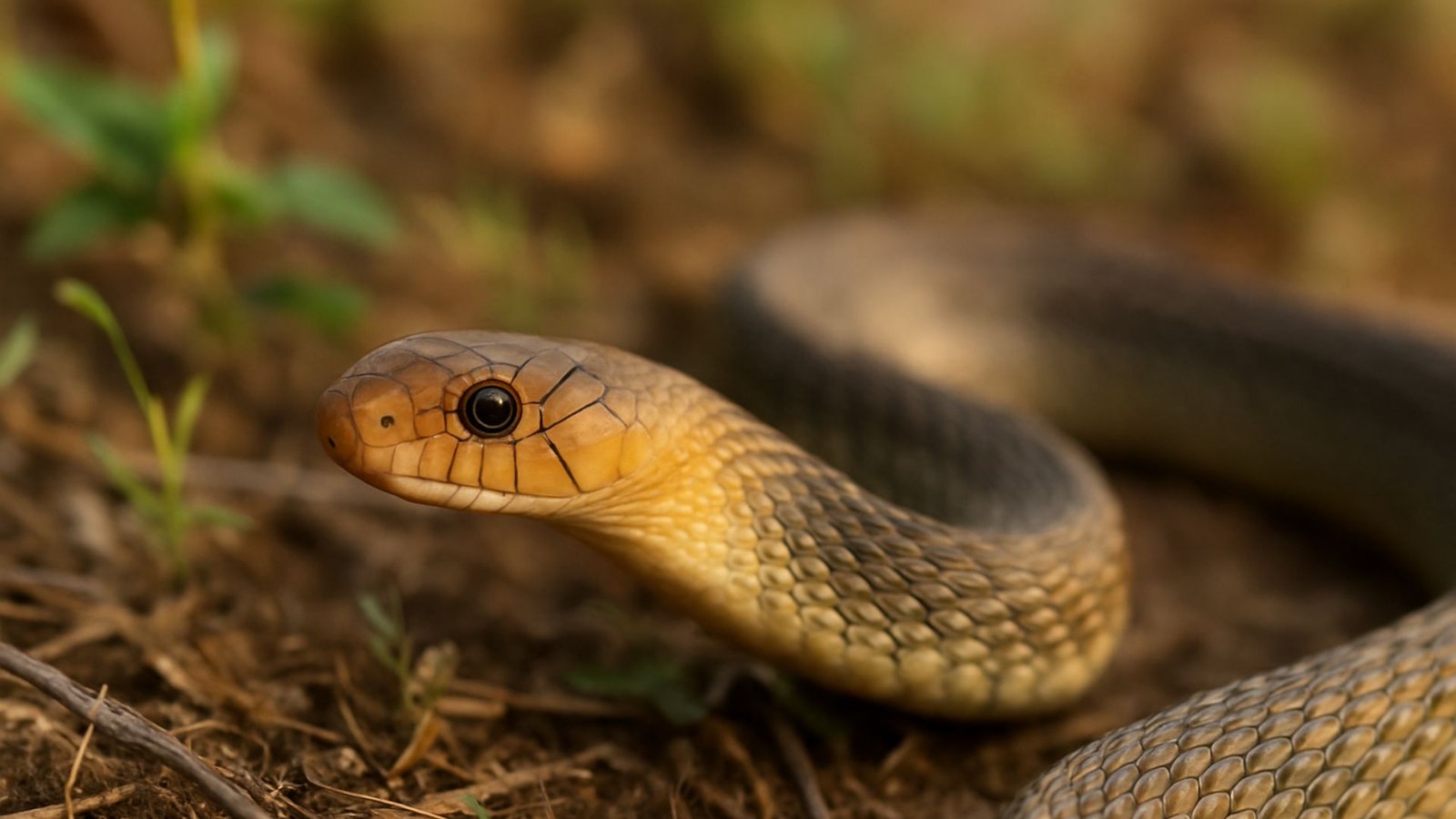
Snakes have a scary image, but in Indian mythology, they are also deeply respected. Around Lord Shiva’s neck coils the snake, not as an ornament, but as a symbol of his dominion over death, time, and the wild forces of the cosmos. Lord Vishnu lies on a giant serpent, Sheshnag, while resting in the cosmic ocean.
Snakes represent kundalinienergy, rebirth, and mystery. Among all animals with symbolic meaning in Indian mythology, snakes probably have the most powerful spiritual symbolism.
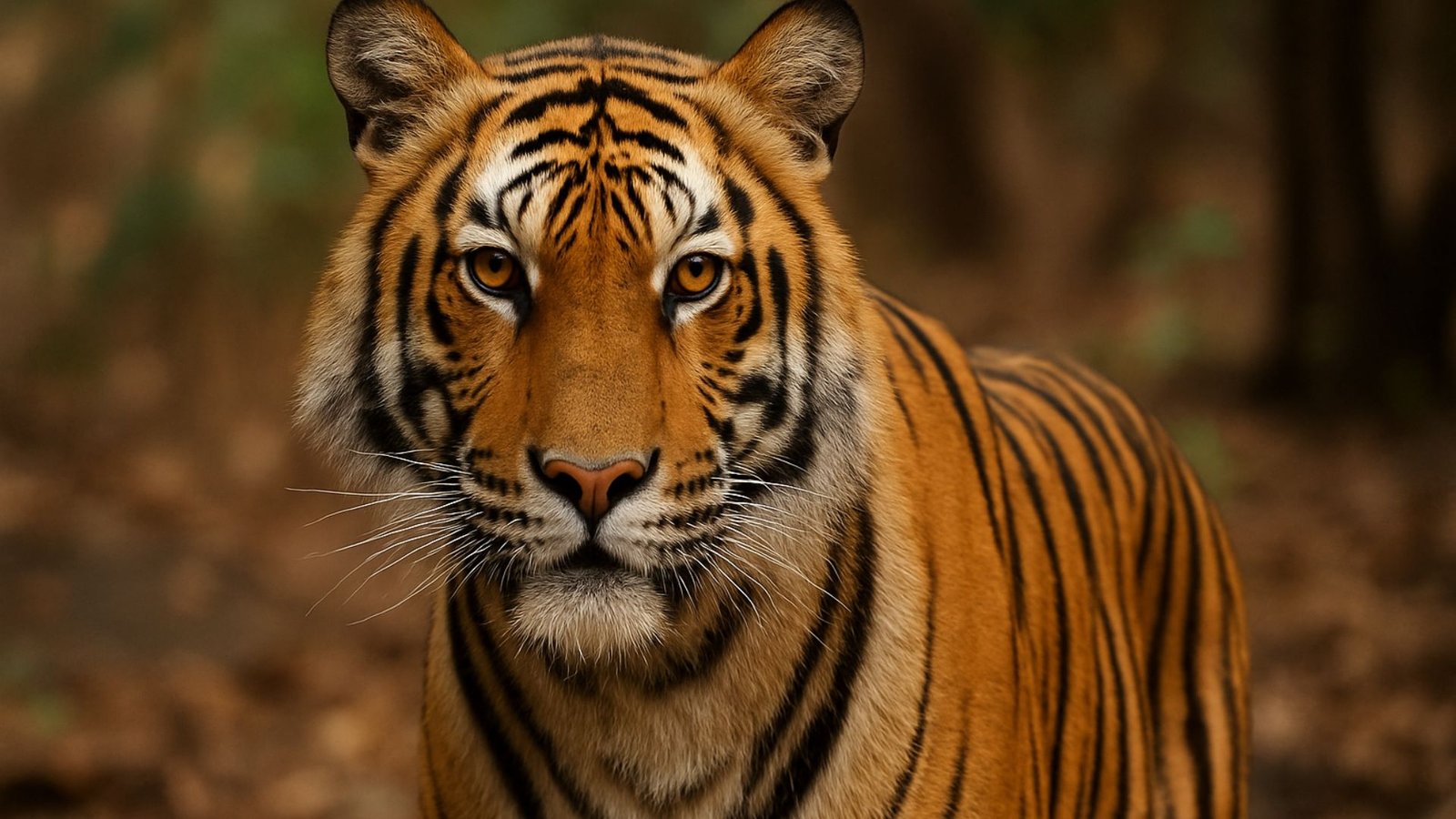
4. Tiger: Power and Protection
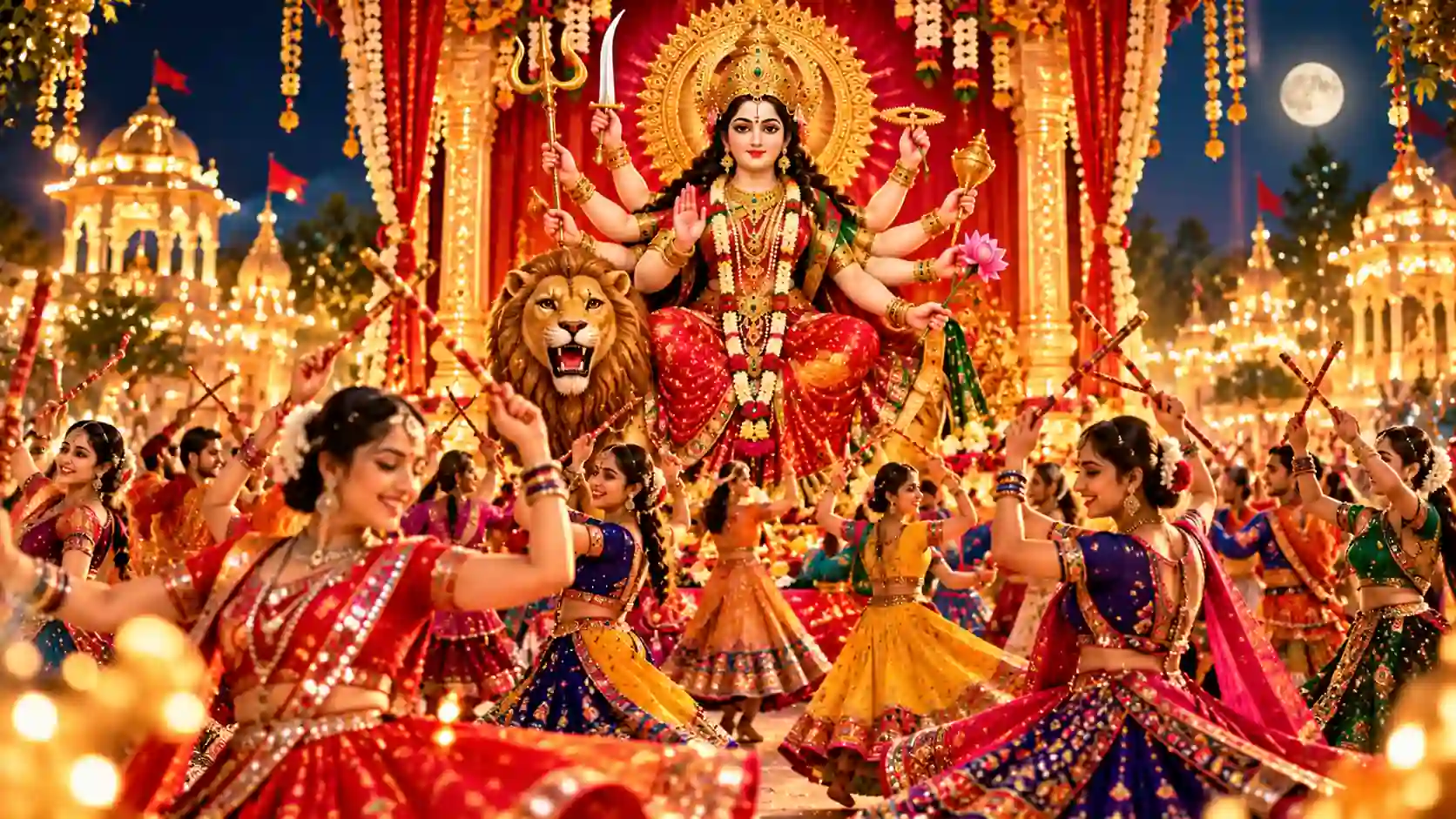
The tiger is the vehicle of Goddess Durga, who rides it while destroying evil. It represents courage, strength, and fearlessness. Seeing a tiger in a mythological story typically signifies the presence of significant energy, often divine protection or fierce power.
That’s why Goddess Durga riding a tiger is such a strong image; it’s not just about her; it’s about the raw power she controls.
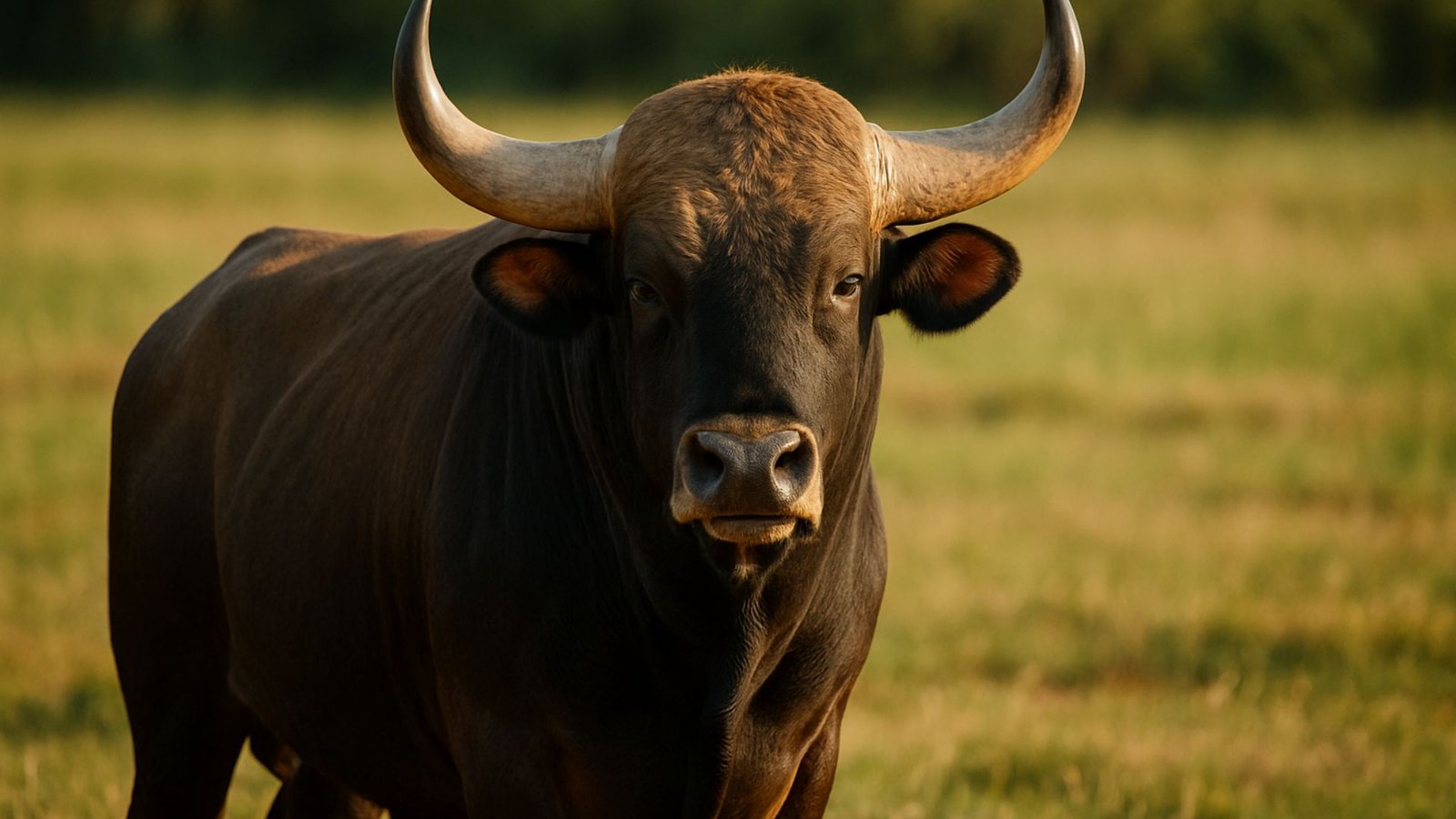
5. Bull: Dharma and Stability
The bull is best known as Nandi, Lord Shiva’s beloved friend, favorite devotee, and also his vehicle. Nandi is always found sitting peacefully in front of Shiva temples.
He symbolizes loyalty, truth, and strength, but more than that, he represents dharma, the right path in life. In a way, the bull tells us to stay calm, focused, and loyal.
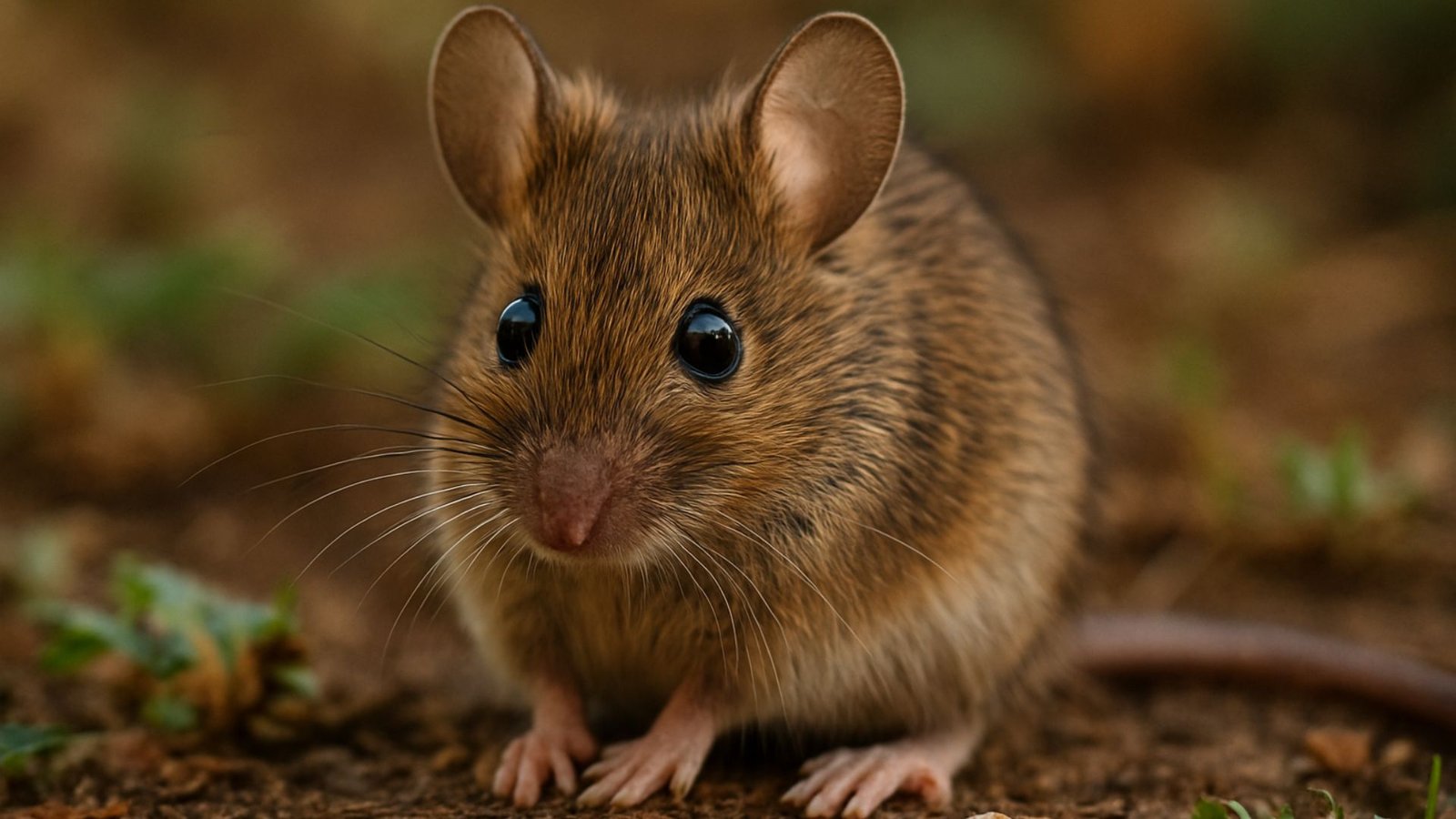
Here’s an unusual one: the mouse. It’s the vahana of Lord Ganesha. You might think, “Why would such a big god ride such a tiny animal?” That’s exactly the point.
It shows how big and small don’t matter when it comes to wisdom. The mouse represents humility, sharpness, and the ability to go unnoticed but still make an impact.
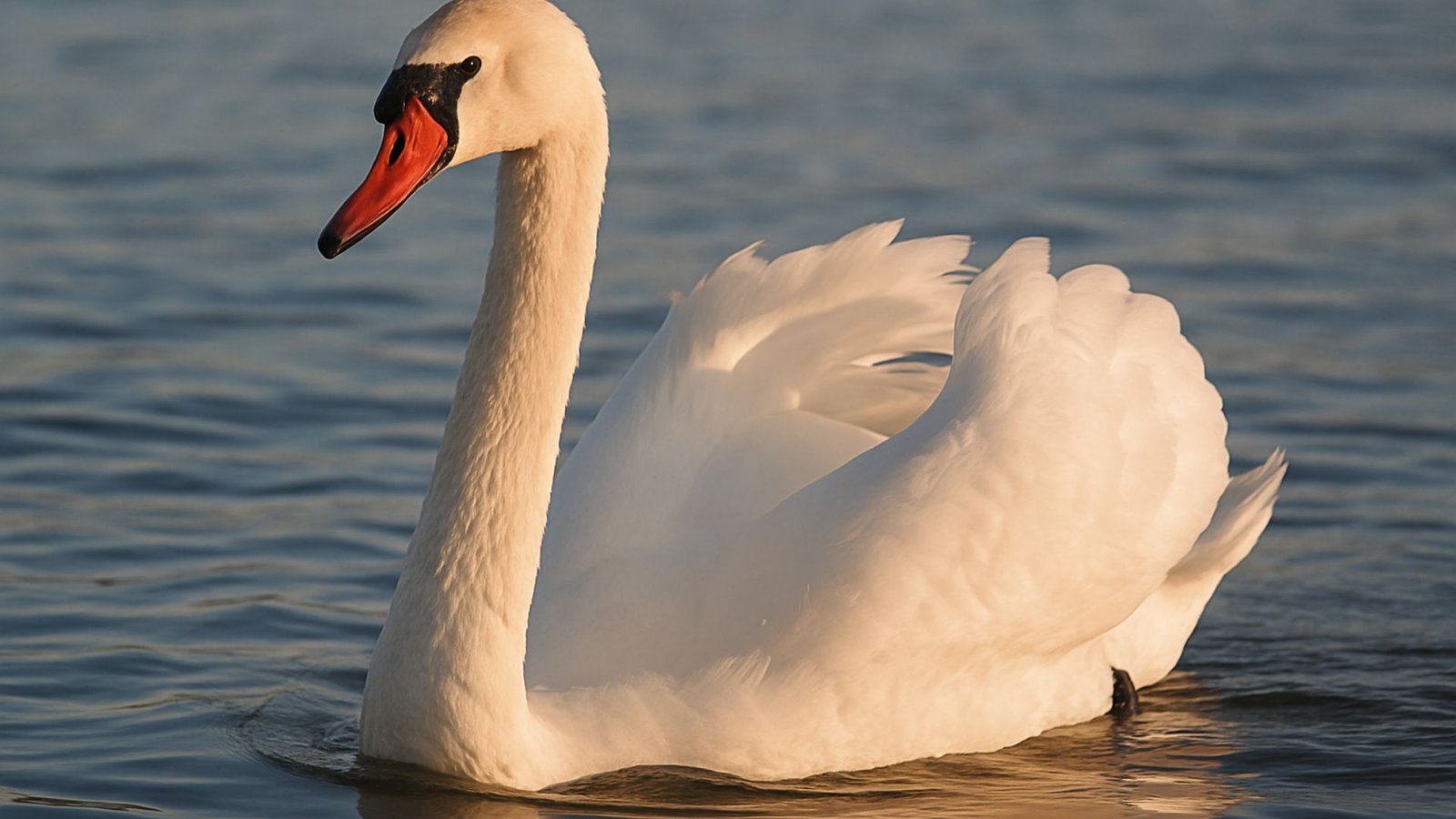
7. Swan: Purity and Wisdom
The swan is the vahanaof Saraswati, the goddess of wisdom and learning. Swans are believed to have the power to separate milk from water, symbolizing the ability to distinguish right from wrong.
In mythology, the swan represents pure knowledge, spiritual wisdom, and calmness. One of the more graceful animals with symbolic meaning in Indian mythology.
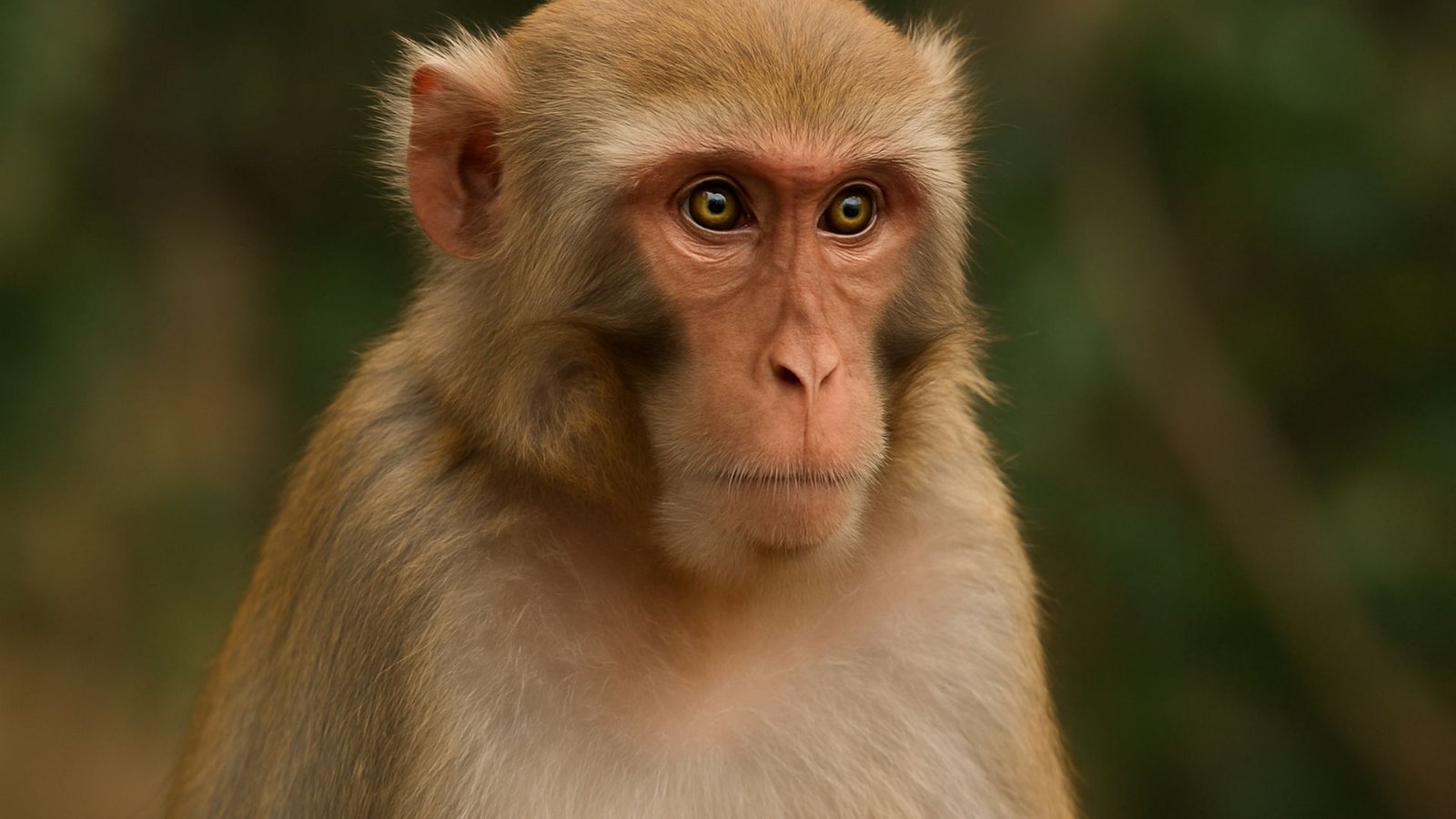
8. Monkey: Devotion and Loyalty
Of course, we can’t forget the mightiest of all, our favorite, Lord Hanuman; the monkey god. He is the perfect example of devotion, strength, and loyalty. Lord Hanuman played a huge role in the Ramayana and is still worshipped today by millions.
Monkeys, thanks to Lord Hanuman, are regarded as symbols of unwavering faith and selfless service. They show us how powerful loyalty and love can be.
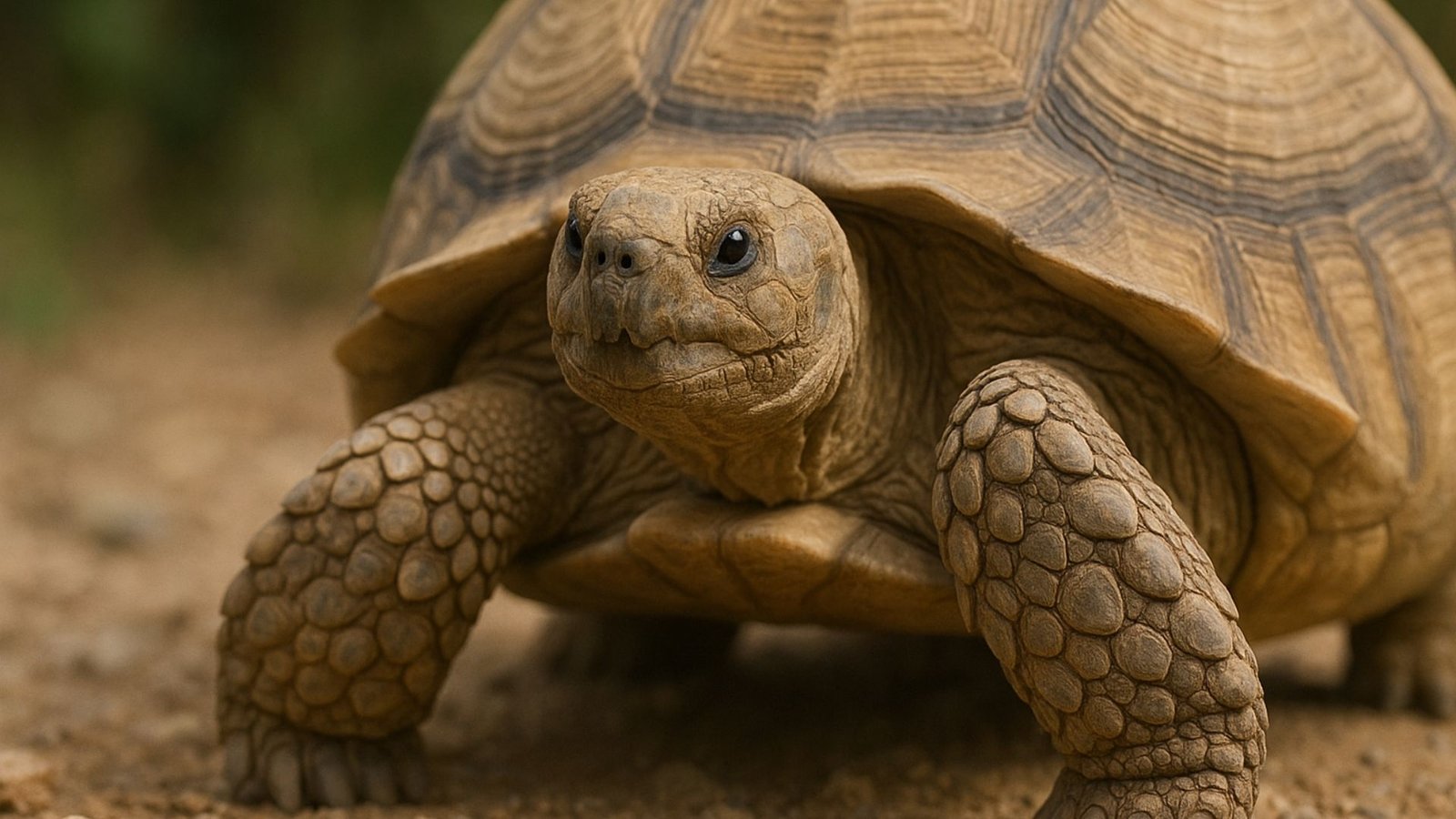
9. Tortoise: Patience and Cosmic Balance
The tortoise is deeply respected in Indian mythology. During the Samudra Manthan, Lord Vishnu took the avatar of a tortoise to support the mountain on his back.
Tortoises represent patience, strength, and cosmic balance. They remind us that slow and steady not only wins the race, but it sometimes saves the universe!
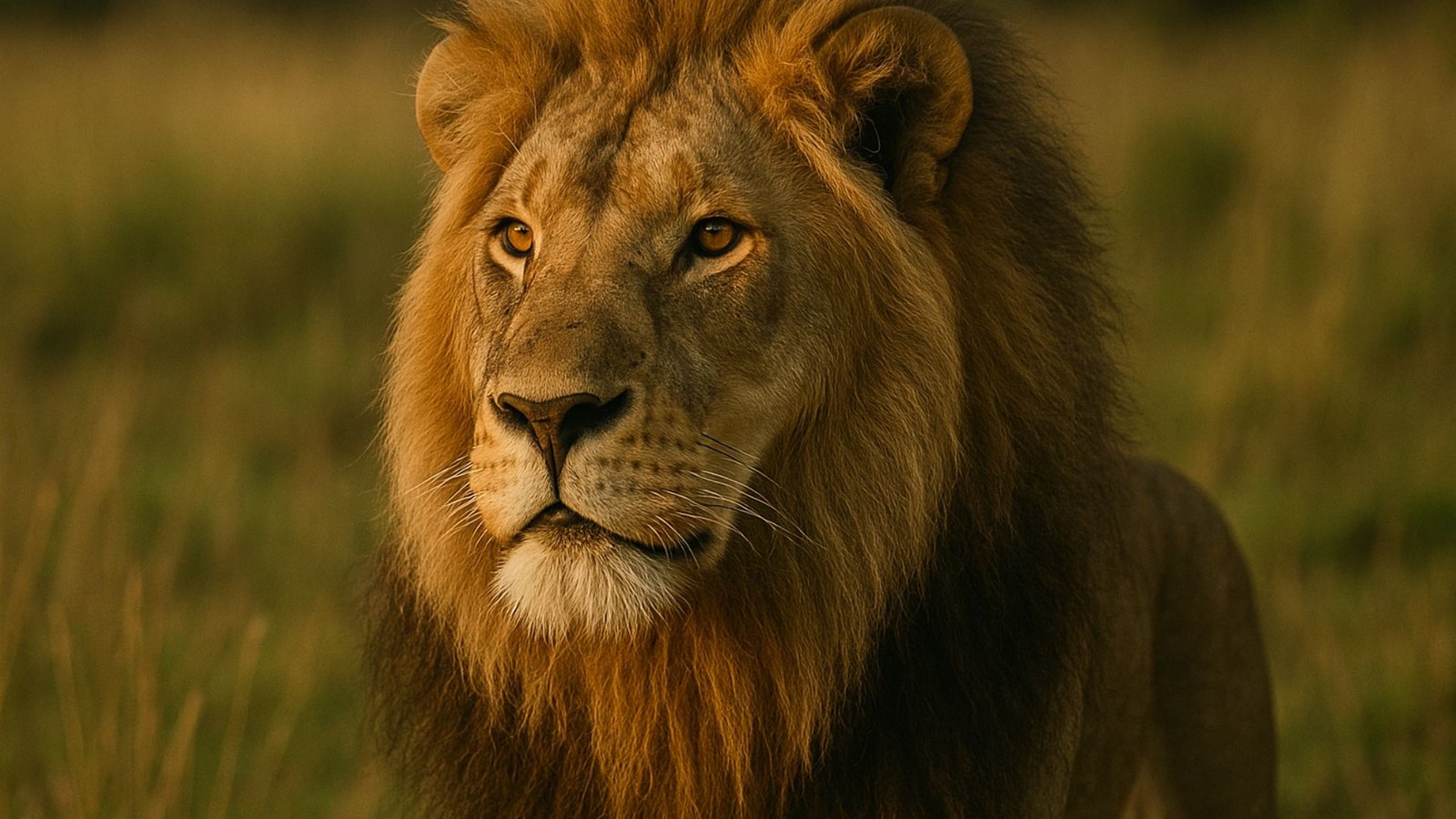
10. Lion: Justice and Divine Authority
Last but not least, the lion. This majestic animal is the vehicle of Goddess Durga (in some stories) and also represents Lord Narasimha, the fierce lion-headed form of Lord Vishnu.
Lions symbolize justice, power, and divine protection. Now we know, they’re so much more than just being the king of the jungle and heroes of our childhood tales.
So now you know, these aren’t just animals. They are messengers, protectors, and symbols of deeper truths in life. Every time you see one of these animals in a temple, painting, or even in real life, just remember what they stand for.
Understanding the animals with symbolic meaning in Indian mythology helps us connect with our roots, with nature, and with the divine in a very simple way. And maybe, just maybe, we’ll learn a few life lessons along the way.
Indian mythology is full of stories, some magical, some deep, and some that make us stop and think. But what many people don’t notice is how animals play a really big role in these stories. They’re not just background characters. They have deep meanings. From elephants to snakes, every animal