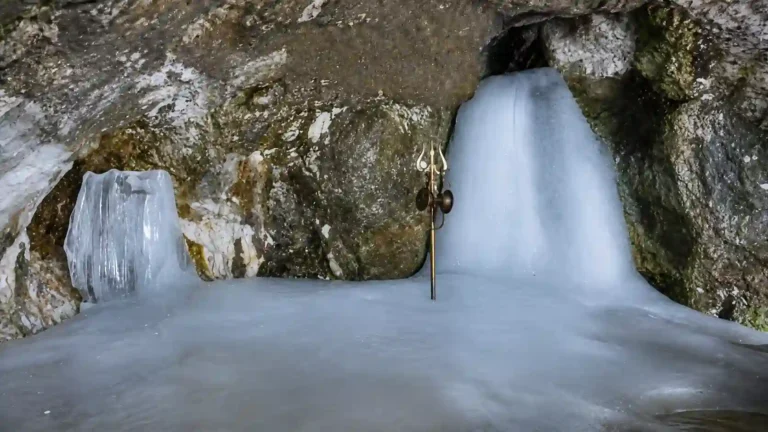

Maa Baglamukhi Temple
Bankhandi, Kangra District, Himachal Pradesh
One of the 12 Jyotirlingas of Lord Shiva and one of the Char Dham pilgrimage sites, nestled in the lap of the Himalayas at an altitude of 3,583 meters.
Location
Bankhandi, Kangra District, Himachal Pradesh
Full Address
Maa Baglamukhi Temple, Bankhandi, near Dehra Gopipur, Kangra District, Himachal Pradesh - 177114, India
Latitude
31.968
Longitude
76.207
Built By/ Era
Built by the Pandavas during their exile (Dwapar Yuga); present shrine traditionally dated over 1,000 years old
Elevation
Associated Deity
Lord Shiva (Jyotirlinga)
Opening Time
5:00 am
Closing Time
9:30 pm
Timing Notes
Closed briefly from 12:00 PM to 12:30 PM between sessions; timings may extend during Navratri.
Overview
Maa Baglamukhi Temple, also known as Shri Bagalamukhi Mata Temple, stands in Bankhandi village near Dehra, in the Kangra district of Himachal Pradesh. Dedicated to Goddess Baglamukhi, the eighth of the ten Mahavidyas of Tantric Shaktism, it is regarded as one of the most powerful Shakti shrines in North India, and one of only three historically significant Baglamukhi temples in India, alongside Pitambara Peeth in Datia and the Baglamukhi Temple in Nalkheda.
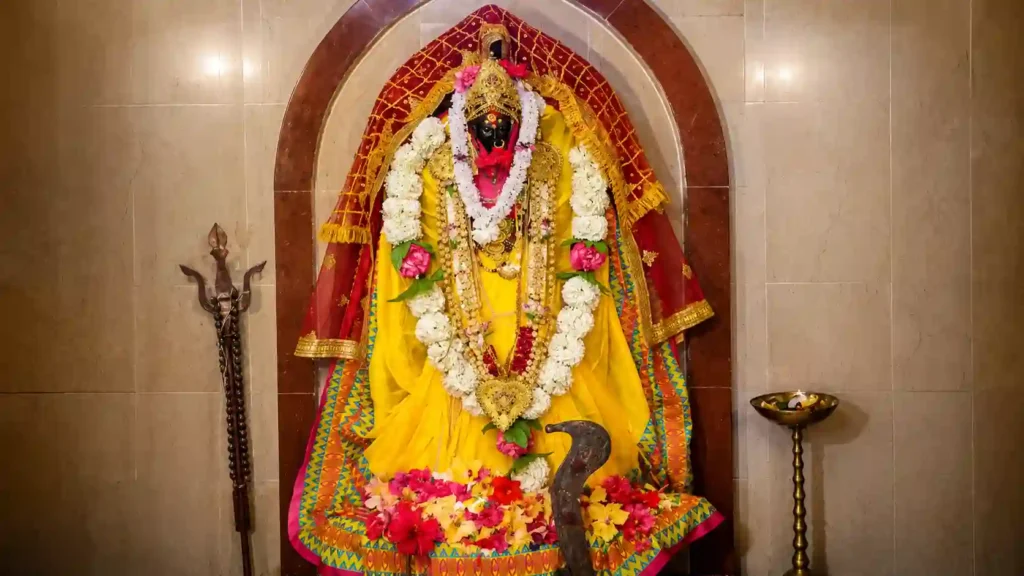
Goddess Baglamukhi is worshipped here as the embodiment of Stambhana Shakti, the divine power believed to halt and paralyse negativity, enemies, and obstacles. She is typically depicted seated on a golden throne, three-eyed, adorned in yellow, holding a cudgel in one hand while pulling the tongue of a demon with the other, symbolising her power to silence adversaries. Her other names include Pitambara Maa and Brahmastra Roopini.
Architecture
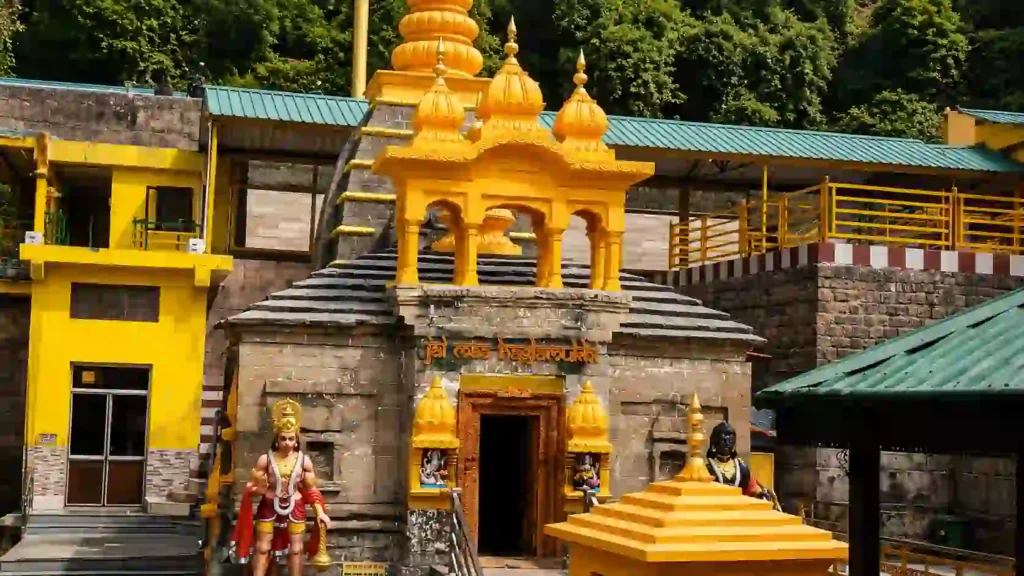
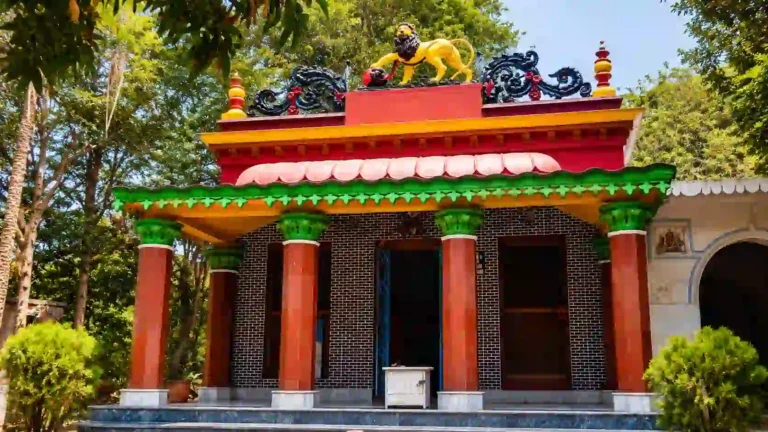
The temple reflects traditional Himachali architecture with Hindu and Buddhist influences: carved wooden and stone pillars, pagoda-style spires, and an octagonal havan platform. True to the Goddess’s iconography, the entire complex is painted vivid yellow, and devotees traditionally wear yellow clothing and offer yellow sweets such as besan ke laddoo.
Religious & Tantric Significance
As a Siddha Peeth, the temple holds special importance for practitioners of Tantra Vidya. Devotees visit seeking victory in court cases and legal disputes, protection from enemies and rivals, success in competitive exams and business rivalries, removal of obstacles, and overall well-being and spiritual transformation.
Rituals & Festivals
The principal ritual is the havan performed at the sacred havan kund. Devotees wear yellow, offer turmeric and yellow sweets, recite the Baglamukhi mantra (“Hleem”), and often take a sankalp (vow), returning after their wish is fulfilled for a thanksgiving puja. The temple is busiest during Navratri, and an annual fair is held on Baglamukhi Jayanti.
⛰ 12 Jyotirlingas
🕉 Char Dham
✨ Sacred Place
History
The origins of the temple trace back to the Mahabharata era. Tradition holds that the Pandavas, during their exile (Agyaatvaas) in the Dwapar Yuga, built the shrine overnight and performed a sacred havan here to invoke the Goddess’s blessings for strength before battle. The havan kund said to have been used by the Pandavas is still preserved within the temple complex. Local accounts describe the temple as being well over a thousand years old, and it is counted among the 108 temples associated with Mata Baglamukhi across India.
Mythology
According to legend, a catastrophic storm once threatened the universe in the Satya Yuga. Lord Vishnu approached Lord Shiva for help, who directed him to seek Adi Shakti. Vishnu performed penance on the banks of Haridra Sarovar, the mythical Lake of Turmeric, and the Goddess is said to have manifested from its golden waters in her radiant yellow form as Baglamukhi, calming the storm and restoring cosmic balance, hence her name Pitambara Devi (“she who is clad in yellow”).
A second legend connects the temple to the Ramayana: Lord Rama, guided by Hanuman, is believed to have worshipped Maa Baglamukhi here to obtain the Brahmastra that helped him defeat Ravana.
Temple Timings
Opening Time
5:00 am
Closing Time
9:30 pm
Aarti Timings
Morning Aarti
Evening Aarti
Timing Notes
How to Reach
By Air: The nearest airport is Gaggal Airport (Kangra Airport), approximately 25-40 km away, well connected to Delhi and Chandigarh.
By Rail: The nearest narrow-gauge station is Kangra Mandir (approx. 40-48 km), while Pathankot Junction (approx. 90 km) is the closest major broad-gauge railhead.
By Road: The temple lies directly on the Chandigarh-Dharamshala highway (NH503). Regular buses run from Delhi, Chandigarh, Amritsar, Jalandhar, Kangra, and Dharamshala, and taxis are readily available. Ample parking is available near the temple complex.
Nearby Places
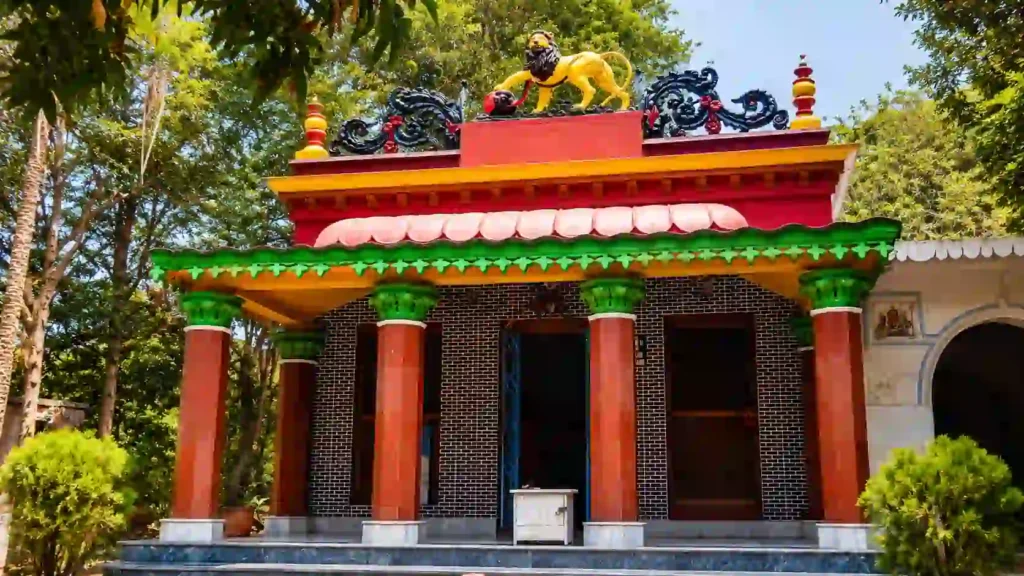
Frequently Asked Questions
Kedarnath Temple is famous as one of the 12 Jyotirlingas and part of the Char Dham pilgrimage.
It is believed to have been built by the Pandavas and later reconstructed by Adi Shankaracharya.
The temple closes due to heavy snowfall making the region inaccessible; the deity is moved to Ukhimath.
The temple is open from May to October, with pleasant weather during these months.
Via road to Gaurikund, followed by a 16 km trek, or by helicopter services available seasonally.
You Might Also Like -
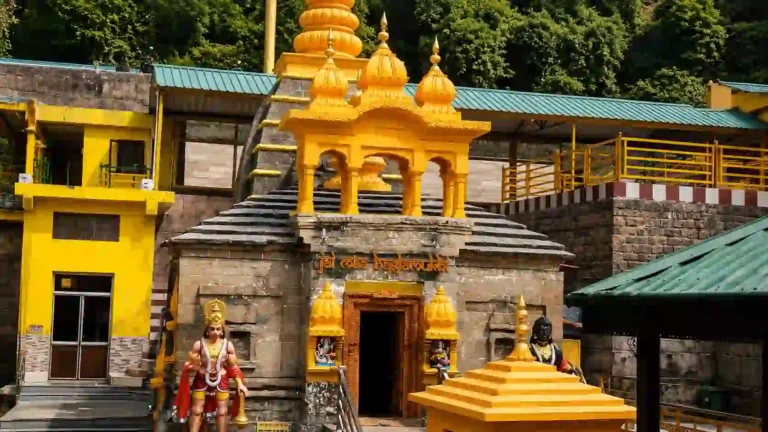
Maa Baglamukhi Temple
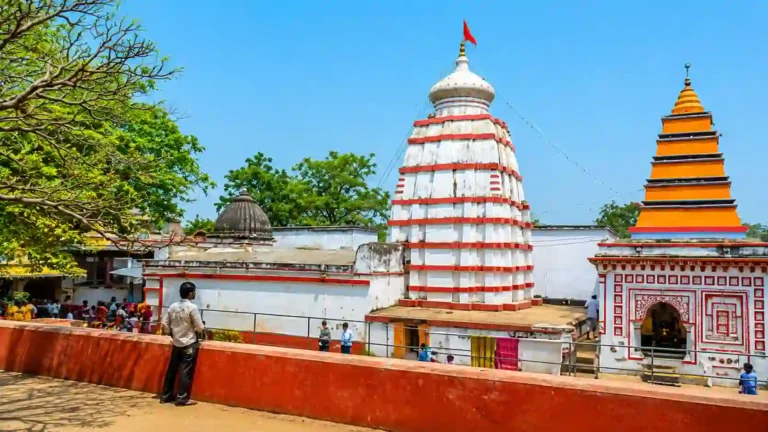
Bakreshwar Temple
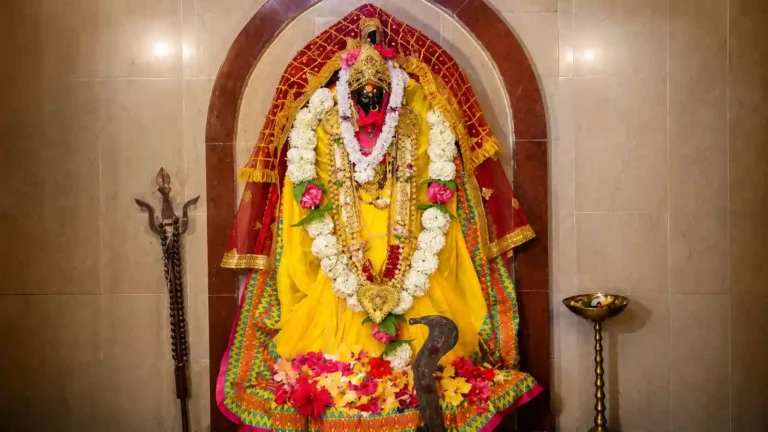
Bahula Devi Temple (Shakti Peeth)
Attahas Temple (Phullara Shakti Peeth), Birbhum