

The River as Goddess
Ganga is not just a river; the Ganga Aarti is a glowing reminder of her purity, power, and divine grace. She is a goddess, a mother, a purifier, and a cosmic force. Her descent from the heavens is a tale of divine compassion, and her flow across the plains is a hymn of liberation.
She is invoked in prayers, worshipped in rituals, and revered in silence. Her waters are believed to cleanse sins, heal wounds, and carry the soul closer to moksha.
The Divine Descent
According to legend, Ganga flowed in the heavens until King Bhagiratha brought her to earth. To prevent her force from destroying the world, Lord Shiva caught her in his matted locks and released her gently.
This descent is not just a myth; it is a metaphor. Ganga represents the descent of grace, the taming of chaos, and the flow of divine will into human life.
Ganga Aarti: The Evening Offering
Every evening, as twilight paints the sky, the Ganga Aarti begins. It is performed at the sacred ghats of Varanasi, Haridwar, and Rishikesh, where the river becomes a living altar.
The ceremony is a symphony of flame, chant, and devotion. Priests in saffron robes move in synchrony, holding brass lamps that blaze like miniature suns. The air fills with incense, conch shells, and mantras.
The Symbolism of Flame
The flame is not just light; it is life. It represents the soul, the divine spark, and the eternal presence. In the Ganga Aarti, the flame becomes a messenger, carrying prayers to the heavens and blessings to the earth.
Its circular motion mirrors the cycle of birth and death. Its upward sweep invokes the divine. Its downward gesture offers gratitude to the river and the land.
Dashashwamedh Ghat – Varanasi's Sacred Stage
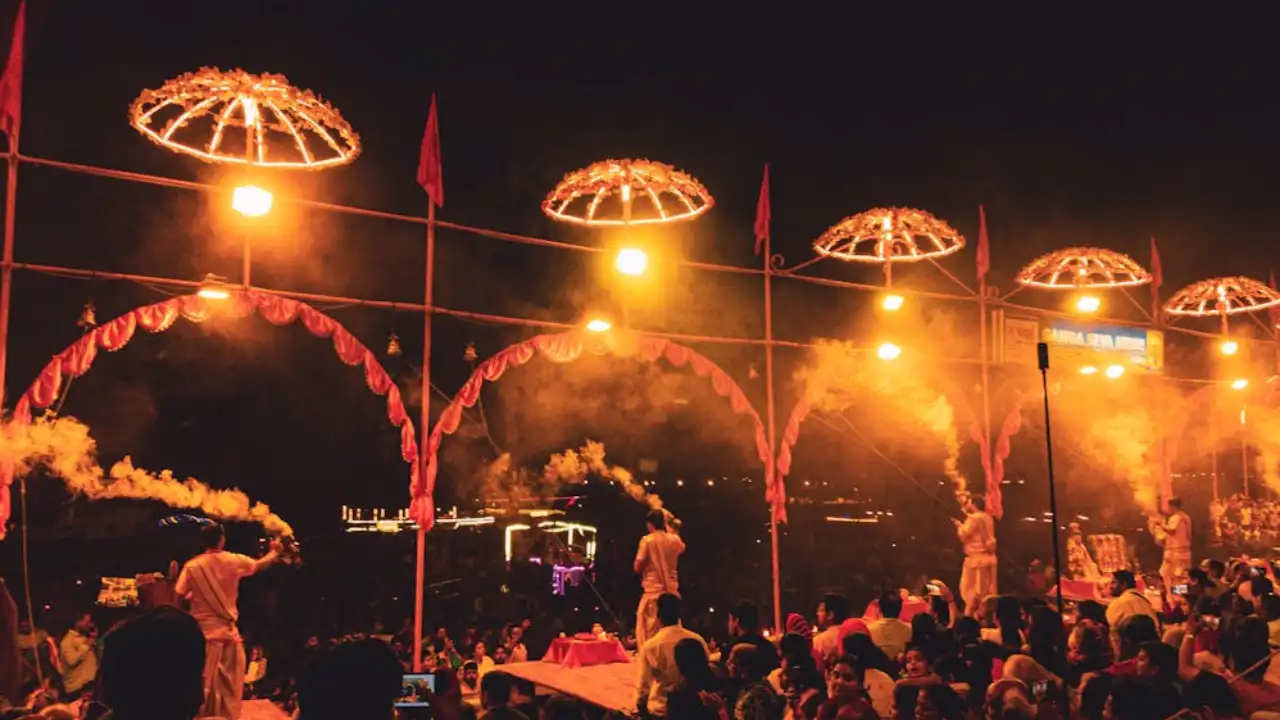
In Varanasi, the Ganga Aarti at Dashashwamedh Ghat is a spectacle of devotion. Legend has it that Lord Brahma performed ten Ashwamedha Yagnas here, making it one of the holiest spots on the river.
The ceremony is grand, theatrical, and deeply moving. Thousands gather to witness the flames rise and fall, the chants echoing, as the river glows golden. It is a moment where time stands still and the soul awakens.
Har Ki Pauri - Haridwar's Gateway to the Divine
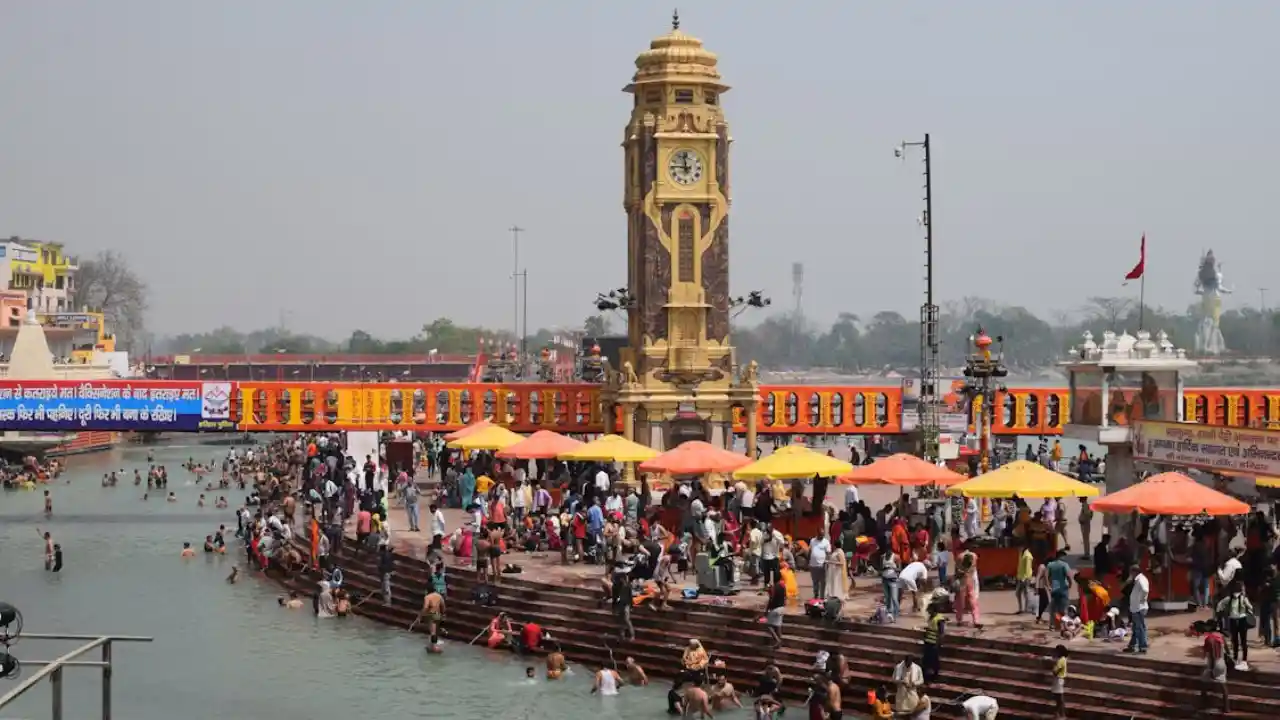
In Haridwar, the Aarti at Har Ki Pauri is a call to the gods. The ghat is believed to be touched by Lord Vishnu’s feet, making it a portal between worlds.
Devotees release diya boats, leaf bowls with candles and flowers, into the river. Each floating flame is a prayer, a memory, a whisper to the goddess. The ceremony is intimate, powerful, and filled with emotion.
Parmarth Niketan - Rishikesh’s Meditative Offering
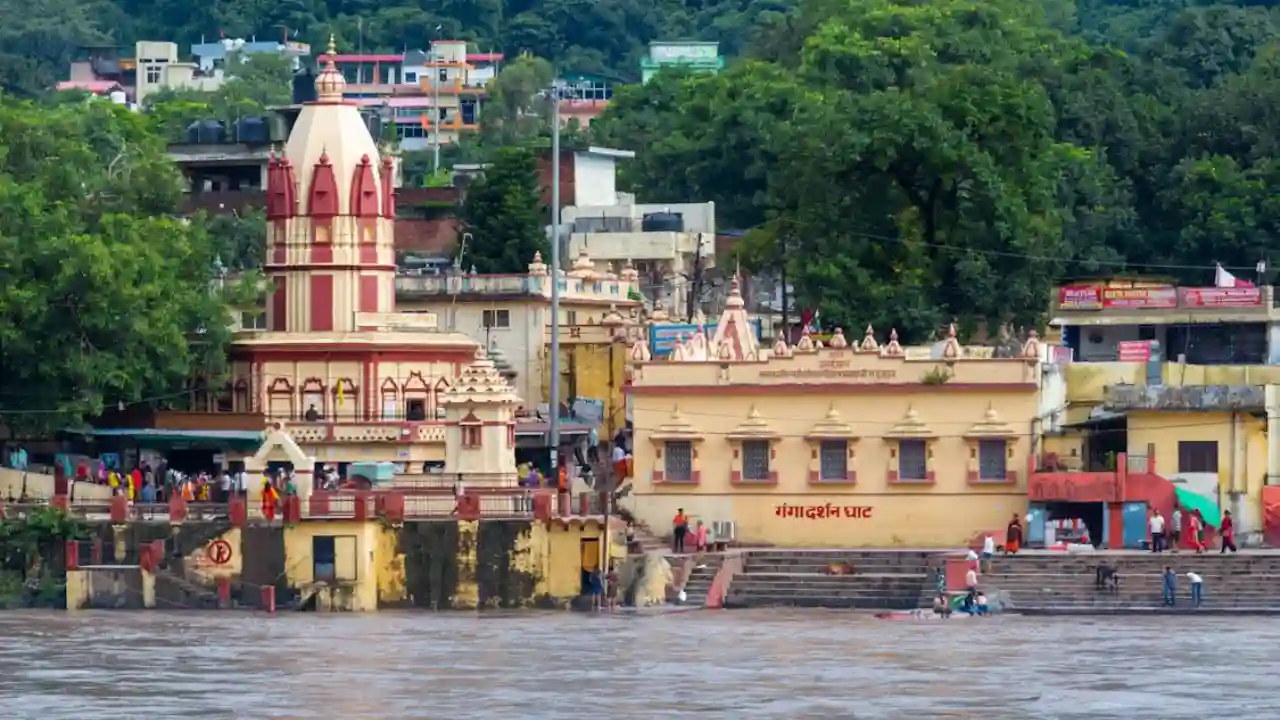
In Rishikesh, the Ganga Aarti at Parmarth Niketan is serene and spiritual. The river flows quietly, and the lamps flicker gently. The chants are soft, the crowd reflective, and the atmosphere infused with peace.
Here, the Aarti is less about spectacle and more about silence. It is a meditation, a communion, a moment of inner stillness.
The Choreography of Devotion
The Aarti is a sacred choreography passed down through generations. Every gesture, every chant, every movement is deliberate and meaningful.
The ceremony includes:
- Invocation of deities through mantras
- Lighting of multi-tiered lamps (deepam)
- Offering of flowers, incense, and water
- Chanting of hymns like the Ganga Stotram and Aarti songs
The ritual lasts around 45 minutes, but its impact lingers far longer. It is a spiritual performance where every flame is a verse and every chant a heartbeat.
The Goddess in Myth
Ganga’s mythology is rich and layered. She is
- born from Vishnu’s feet,
- flows through Shiva’s hair, and
- descends for Bhagiratha’s ancestors.
She is the daughter of the Himalayas and the mother of all rivers. She is both fierce and forgiving, wild and nurturing. Her waters carry the essence of the heavens and the memory of the earth.
The Goddess in Ritual
In the Aarti, Ganga is honored as a living deity. The flame represents her purifying power. The chant invokes her grace. The offering is a gesture of surrender.
She is the mother who forgives. The goddess who liberates. The river that remembers.
Emotional Resonance
To witness the Ganga Aarti is to feel time pause. It is a moment where the mundane dissolves into the mystical. The fire speaks to our inner longing. The river listens to our silent prayers.
The ceremony evokes:
- Gratitude for the river’s blessings
- Awe at the beauty of devotion
- Peace through surrender
- Hope through prayer
It is not just a ritual. It is a reunion, with faith, with ancestors, with the eternal flow of life.
The River as Witness
Ganga has seen empires rise and fall.
- She has carried the ashes of kings and saints.
- She has heard the chants of yogis and the cries of the lost.
- She is the witness of time, the keeper of stories, the flow of memory.
And every evening, when the lamps are lit and the chants begin, she listens again. She watches again. She flows again.
The Pilgrim's Experience
For pilgrims, the Aarti is not just a ceremony; it is a transformation. Standing at the ghat, watching the flames dance, they feel their burdens lift, their hearts open, their souls stir.
- The river becomes a mirror.
- The flame becomes a guide.
- The chant becomes a bridge.
The Sound of Devotion
The Aarti is filled with sound—bells ringing, conch shells blowing, voices rising in unison. These sounds are not noise. They are vibrations that cleanse, awaken, and align.
The chants often include:
- Om Jai Gange Mata – a hymn of praise
- Ganga Stotram – a Sanskrit invocation
- Bhajans – devotional songs sung by the crowd
Each sound is a thread in the tapestry of devotion.
The Light That Travels
The floating diyas are among the most touching parts of the Ganga Aarti. As they drift downstream, they carry prayers, memories, and hopes. Some are lit for ancestors. Some for healing. Some for gratitude.
The river accepts them all. She carries them gently, like a mother carrying her child’s dreams.
The Cosmic Connection
The Aarti is not just local, it is cosmic. It aligns with the rhythms of the universe, the cycles of time, and the flow of energy.
- The flame represents Agni, the fire god.
- The water represents Varuna, the god of rivers.
- The chant invokes the divine presence.
It is a ceremony that connects earth to sky, body to soul, human to divine.
The Legacy of Light
The Ganga Aarti is more than tradition. It is a legacy. It is a ritual that has survived centuries, adapted to generations, and continues to inspire millions.
It is performed by priests, sung by pilgrims, and felt by all who witness it. It is a flame that never dies.
The Inner Aarti
Beyond the ghats and the lamps, there is another Aarti, the one within. It is the offering of our thoughts, the lighting of our intentions, the chanting of our truth.
To perform the inner Aarti is to honor the divine within. To let our soul become the lamp. To let our breath become the chant.
Aarti as Spiritual Dialogue
The Ganga Aarti is not a monologue. It is a dialogue between devotee and deity, between flame and flow, between silence and sound.
It is a conversation that transcends language. A communion that transcends form. A connection that transcends time.
The Eternal Flame
As the ceremony ends and the crowd disperses, the river continues to flow. The flame may fade, but its memory remains. The chant may stop, but its echo lingers.
The Ganga Aarti is not over.
It lives in the heart. It flows in the soul. It dances in the light.