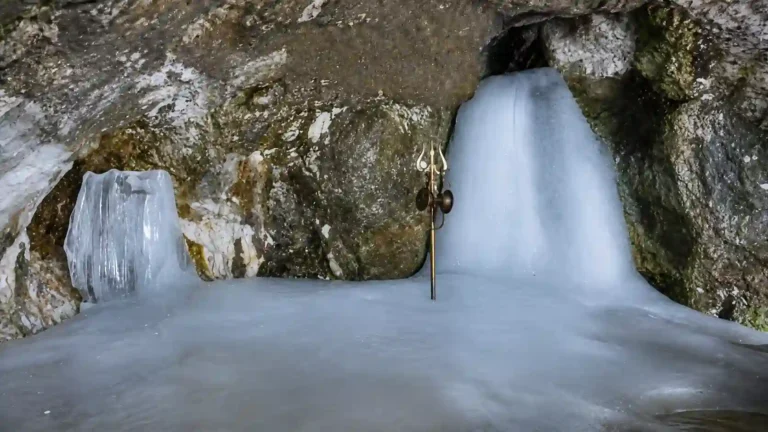

Somnath Temple
Somnath District, Gujarat
One of the 12 Jyotirlingas of Lord Shiva and one of the Char Dham pilgrimage sites, nestled in the lap of the Himalayas at an altitude of 3,583 meters.
Location
Somnath District, Gujarat
Full Address
Shree Somnath Temple, Somnath Mandir Road, Prabhas Patan, Veraval, Gir Somnath District, Gujarat – 362268, India
Latitude
20.888°N
Longitude
70.401°E
Built By/ Era
Earliest shrine dated variably between the early centuries CE and the 9th century; rebuilt repeatedly after repeated destruction, notably by Nagabhata II of the Gurjara-Pratihara dynasty (9th century), King Bhoja of Malwa and Bhimdev I of Anhilwara (11th century), and finally in its present form in 1951, reconstructed under the initiative of Sardar Vallabhbhai Patel
Elevation
Close to sea level, roughly 0–12 metres above sea level, given its location directly on the coastline
Associated Deity
Lord Shiva (Jyotirlinga)
Opening Time
6:00 am
Closing Time
9:00 pm
Timing Notes
Darshan generally available throughout the day from 6:00 AM, pausing briefly during the three daily aartis
Overview
On the western edge of Gujarat’s Saurashtra coastline, where the Arabian Sea meets the shore at Prabhas Patan, stands a temple whose very survival is its most remarkable feature. Somnath is revered as the first among the twelve Jyotirlingas of Shiva, but what distinguishes it from its counterparts elsewhere in India isn’t age or scale alone — it’s resilience. Few religious structures in the world have been destroyed and rebuilt as many times as this one, and fewer still have become, as a result, a symbol not just of faith but of endurance.
The temple’s current form, completed in 1951, is in some ways a monument to modern India as much as ancient devotion — its reconstruction was personally championed by Sardar Vallabhbhai Patel in the years immediately following independence, making Somnath as much a site of 20th-century nation-building as of ancient Puranic legend.
Somnath’s setting adds its own quiet drama. The temple stands facing the open sea, and evening aartis here carry the sound of waves along with temple bells — a combination that has made Somnath one of the most atmospheric of all the Jyotirlinga pilgrimage sites, drawing visitors as much for its coastal serenity as for its religious significance.
Notes
- The temple runs a nightly “Jai Somnath” sound-and-light show, typically between 8:00 PM and 9:00 PM (except during the monsoon season), narrating the temple’s dramatic history — well worth planning your evening around.
- General darshan is free of cost; a separate paid pass is available for those who wish to attend all three daily aartis up close.
- Photography and mobile phones are generally restricted inside the sanctum.
- The temple faces directly onto the Arabian Sea, and it’s often noted that there is no landmass between the Somnath coastline and Antarctica along that direct line of sight — a detail many visitors find striking while watching the sunset here.
- Timings and the sound-and-light show schedule can shift during Shivratri, Shravan, and the monsoon season, so it’s best to confirm current details with the Shree Somnath Trust before travelling.
- The temple is managed by the Shree Somnath Trust, with the Prime Minister of India traditionally serving as its chairman.
⛰ 12 Jyotirlingas
🕉 Char Dham
✨ Sacred Place
History
Somnath’s story begins in ambiguity and myth. According to tradition, the Moon god Chandra, cursed and diminished for favoring one of his wives over the others, built a temple here and worshipped Shiva to be freed from the affliction — giving the temple its name, “Somnath,” Lord of the Moon (Soma). The site is also associated with the Triveni Sangam, the confluence of three rivers — the Kapila, Hiran, and the mythical Saraswati — a geography that has long made Prabhas Patan a place of pilgrimage even beyond the temple itself, with references appearing in ancient texts including the Mahabharata and the Skanda Purana.
The earliest verifiable temple structure is generally dated to around the 9th century, when the Gurjara-Pratihara king Nagabhata II is recorded as having built a version of the temple using red sandstone. But it was the temple’s wealth and sanctity that made it a repeated target: in 1026 CE, the Turkic ruler Mahmud of Ghazni led a force across the Thar Desert to raid Somnath, plundering its treasures and desecrating the Jyotirlinga in one of the most infamous episodes in medieval Indian history. The temple was restored soon after under King Bhoja of Malwa and Bhimdev I of the Solanki dynasty of Anhilwara, only to face further destruction over the following centuries at the hands of subsequent invaders, including attacks attributed to Aurangzeb in the 17th century.
This cycle of destruction and reconstruction, repeated across nearly a millennium, earned Somnath the title “the Shrine Eternal” — a temple whose faith, according to popular telling, has simply outlasted every attempt to erase it.
The temple’s modern chapter began in November 1947, when Vallabhbhai Patel, then India’s Deputy Prime Minister, visited the region shortly after the integration of Junagadh into independent India and proposed the temple’s reconstruction. The Shree Somnath Trust was formed to oversee the effort, and traditional Somapuri temple builders of Gujarat were engaged for the work. Patel did not live to see the project’s completion; it continued under K. M. Munshi, another minister in the Government of India, and on 11th May 1951, President Dr. Rajendra Prasad performed the installation ceremony for the newly rebuilt temple — the structure that stands today, chaired ex officio by the sitting Prime Minister of India.
Temple Timings
Opening Time
6:00 am
Closing Time
9:00 pm
Aarti Timings
Morning Aarti
7:00 am
Evening Aarti
7:00 pm
Timing Notes
How to Reach
By Air: The nearest airport is Diu Airport, roughly 60–65 km away, with limited connectivity. A larger and more commonly used option is Rajkot Airport, around 200 km away, offering better domestic connections. From either airport, taxis and buses complete the journey to Somnath.
By Train: Somnath (Veraval) has its own railway station, connected to Ahmedabad and other major Gujarat cities, making rail one of the most convenient ways to reach the temple directly.
By Road: Somnath is well connected by road to major Gujarat cities including Rajkot, Ahmedabad, Junagadh, and Porbandar, with regular state and private bus services running throughout the day. The drive from Ahmedabad takes approximately 6 to 7 hours.
Once in Prabhas Patan, the temple sits directly on the coastline, and most hotels and guesthouses in the area are within easy walking or short auto-rickshaw distance.
Nearby Places
Frequently Asked Questions
Kedarnath Temple is famous as one of the 12 Jyotirlingas and part of the Char Dham pilgrimage.
It is believed to have been built by the Pandavas and later reconstructed by Adi Shankaracharya.
The temple closes due to heavy snowfall making the region inaccessible; the deity is moved to Ukhimath.
The temple is open from May to October, with pleasant weather during these months.
Via road to Gaurikund, followed by a 16 km trek, or by helicopter services available seasonally.
You Might Also Like -
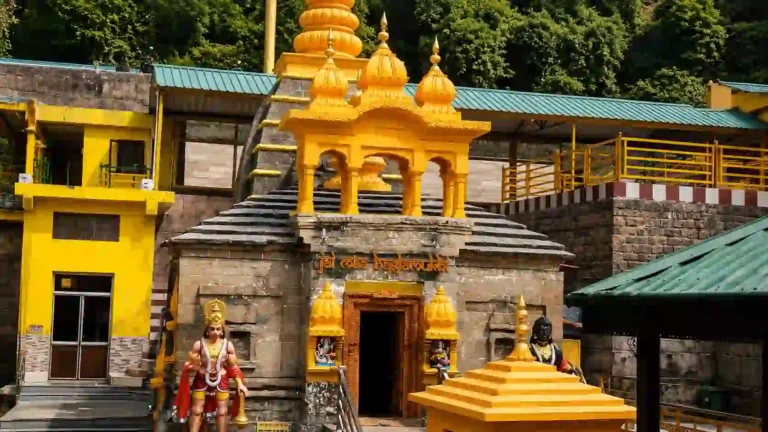
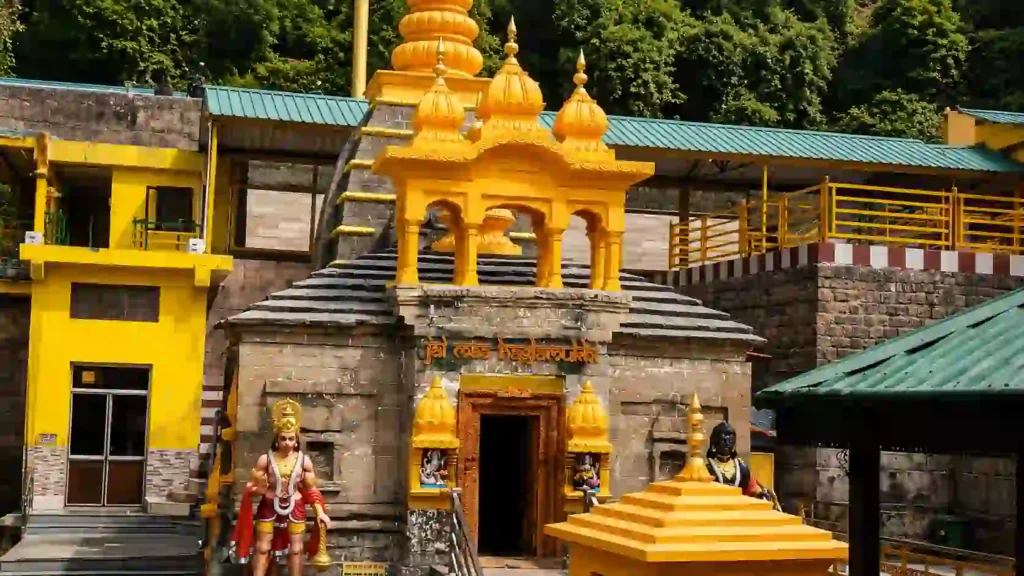
Maa Baglamukhi Temple
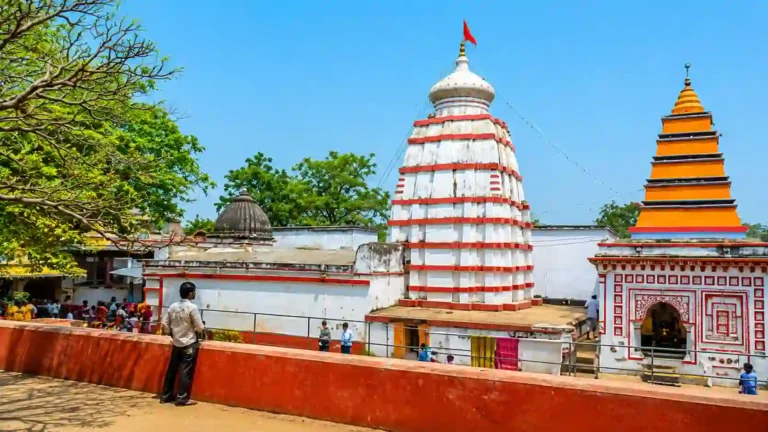
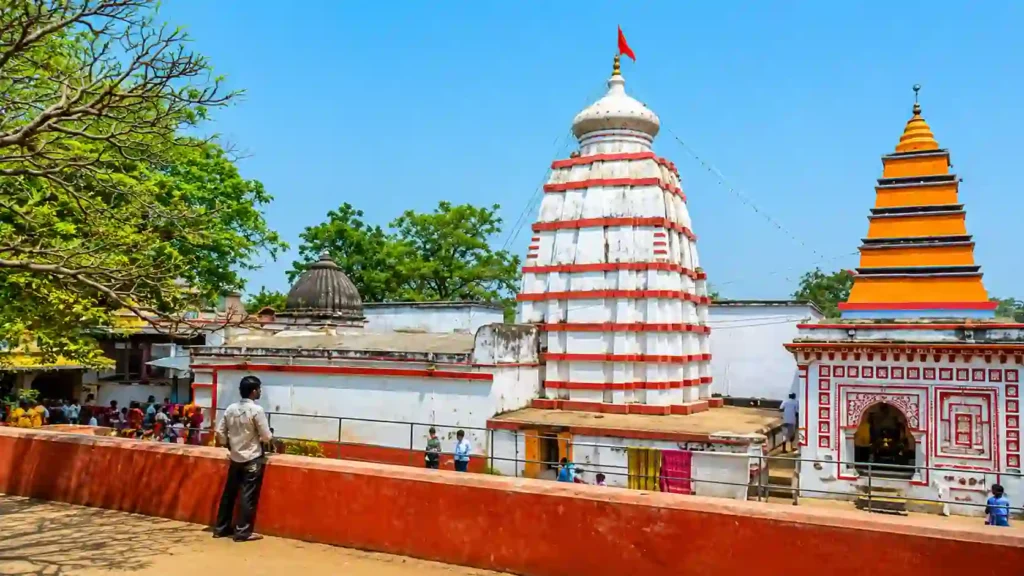
Bakreshwar Temple
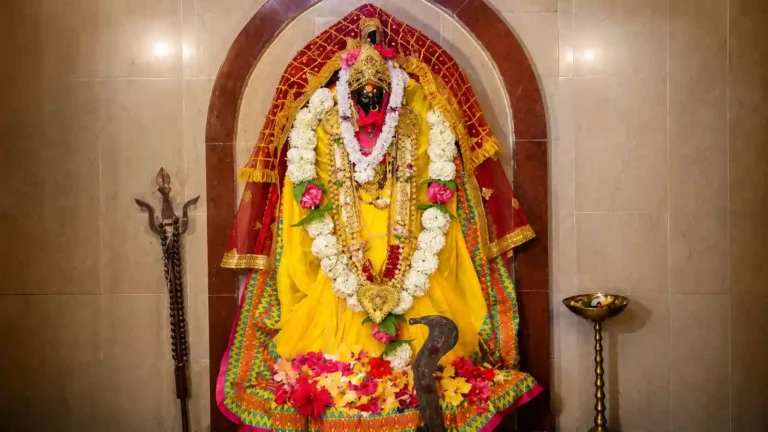
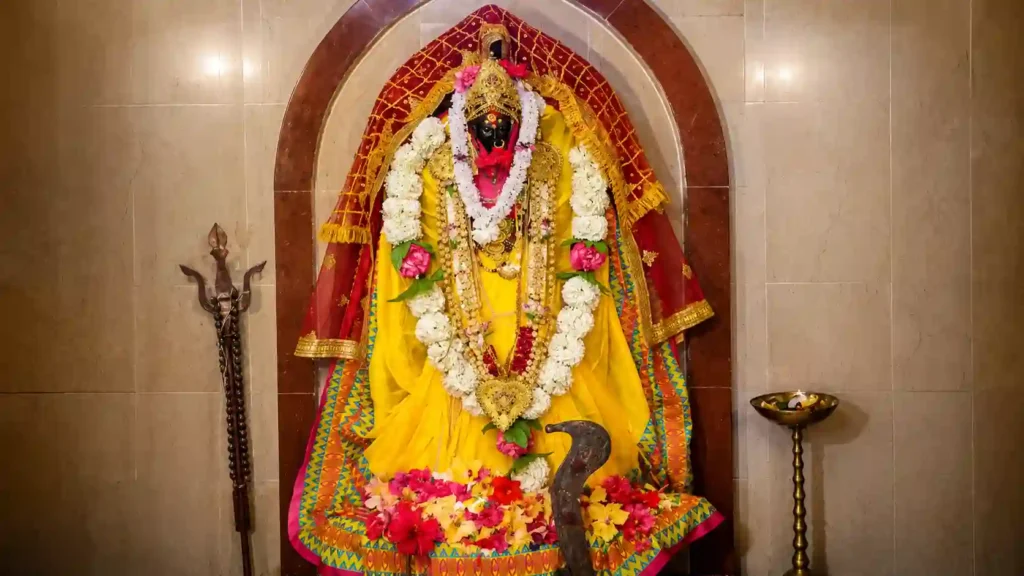
Bahula Devi Temple (Shakti Peeth)
Attahas Temple (Phullara Shakti Peeth), Birbhum