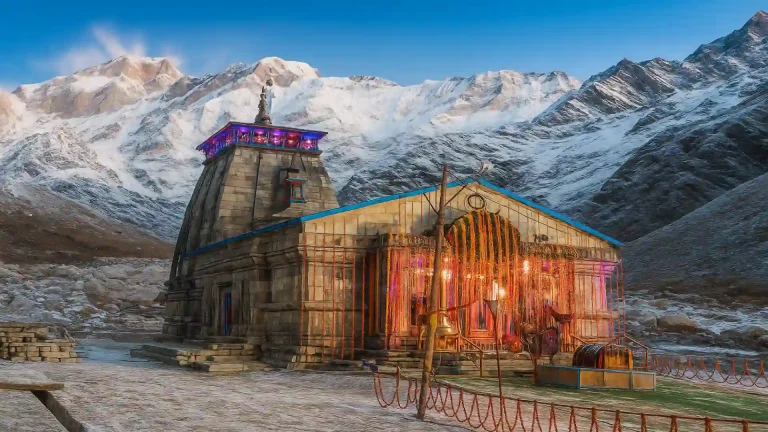

Kashi Vishwanath Temple
Varanasi, Uttar Pradesh, India
One of the 12 Jyotirlingas of Lord Shiva and one of the Char Dham pilgrimage sites, nestled in the lap of the Himalayas at an altitude of 3,583 meters.
Location
Varanasi, Uttar Pradesh, India
Full Address
Shri Kashi Vishwanath Temple, Vishwanath Gali, Lahori Tola, Varanasi, Uttar Pradesh – 221001, India
Latitude
25.3108° N
Longitude
83.0106° E
Built By/ Era
Site associated with Shiva worship since antiquity; earlier structures were destroyed and rebuilt across centuries (demolished in 1194, 1505–1515, and finally 1669 under Aurangzeb). The present temple was rebuilt in 1780 by Maharani Ahilyabai Holkar of Indore; the gold-plated spire was added in 1835 by Maharaja Ranjit Singh of the Sikh Empire; the Kashi Vishwanath Corridor connecting the temple to the Ganga was inaugurated in 2021.
Elevation
Approximately 80 metres (262 feet) above sea level
Associated Deity
Lord Shiva (Jyotirlinga)
Opening Time
Closing Time
12:32 pm
Timing Notes
The temple holds several aartis daily (Mangala Aarti, Bhog Aarti, Sandhya Aarti, Shringar/Shayan Aarti), with brief closures between them for rituals. Timings can shift on festivals such as Maha Shivaratri and Shravan Mondays, and are set by the Shri Kashi Vishwanath Temple Trust — reconfirm close to your visit via the official portal.
Overview
Kashi Vishwanath Temple, on the western bank of the Ganga in Varanasi, is one of Shiva’s twelve Jyotirlingas and among Hinduism’s most sacred shrines. Rebuilt in 1780 by Maharani Ahilyabai Holkar and famed for its gold-plated spire, it now connects directly to the Ganga ghats via the 2021 Kashi Vishwanath Corridor, drawing tens of thousands of pilgrims daily.
⛰ 12 Jyotirlingas
🕉 Char Dham
✨ Sacred Place
History
Origin
Varanasi’s association with Lord Shiva goes back to antiquity, and Hindu tradition regards the city as one of Shiva’s eternal abodes. Temple tradition points to a structure existing at this site as early as the 11th century, though a clean, continuous historical record is difficult to establish, since the site was repeatedly destroyed and rebuilt over the centuries. Much of the earliest narrative rests on temple tradition and regional accounts rather than a single unbroken archaeological trail.
Historical records indicate the temple was demolished in 1194, again between 1505 and 1515, and once more in 1669, the last time under the Mughal emperor Aurangzeb. Despite these repeated destructions, devotees and rulers continued to restore worship at the site, reflecting Kashi’s unbroken spiritual pull.
Construction
In 1585, Raja Man Singh I and Raja Todar Mal undertook temple construction at the site under Mughal-era patronage. However, this structure did not survive Aurangzeb’s later demolition. The temple that stands today was rebuilt after that destruction by the Maratha ruler Ahilyabai Holkar of Indore, who reconstructed the shrine in 1780 — which is why this year is widely treated as the founding date of the present temple.
In 1835, the Sikh ruler Maharaja Ranjit Singh donated gold to plate the temple’s dome and spire, giving it the radiant appearance that earned it the name “Golden Temple.”
The most transformative recent development is the Kashi Vishwanath Corridor Project. Its foundation was laid in March 2019 with a financial allocation of about ₹800 crore, marking the largest redevelopment around the temple since Ahilyabai Holkar’s 18th-century reconstruction. Prime Minister Narendra Modi inaugurated the first phase of the corridor on 13 December 2021, creating a direct connection between the temple complex and the ghats of the Ganga. Around 400 old houses had to be cleared to build the corridor, and in the process, smaller temples believed to be nearly a thousand years old were rediscovered — about 127 of these were preserved and integrated into the new complex.
Architecture
The temple built by Ahilyabai Holkar follows a fairly compact, traditional North Indian (Nagara-style) plan. The sanctum is quadrangular in shape and embellished with intricate carvings, topped by two domes and the gold-plated spire. The Shivling itself, carved from black stone, is enshrined within a silver-plated altar. The temple complex also includes the historic Gyan Vapi (Well of Knowledge), regarded by tradition as sacred.
The 2021 corridor redevelopment added a modern layer to this ancient core. Spread over roughly 5 lakh square feet, it includes 23 newly built structures — pilgrim facilitation centres, a Vedic Kendra, a city museum, viewing galleries, and rest areas — designed to ease the flow of large crowds while restoring the temple’s historic visual connection to the river. Sandstone flooring, covered walkways, and open courtyards now give pilgrims an unobstructed view of the temple spire from the Ganga ghats.
Temple Timings
Opening Time
Closing Time
12:32 pm
Aarti Timings
Morning Aarti
Evening Aarti
Timing Notes
How to Reach
✈️ By Air
The nearest airport is Lal Bahadur Shastri International Airport (VNS), about 20–25 km from the temple, roughly a 45-minute to 1-hour drive. It has regular domestic flights from Delhi, Mumbai, Bengaluru, and Kolkata, along with a few international connections. Prepaid taxis and app cabs are available outside the terminal.
🚄 By Rail
Varanasi Junction (Varanasi Cantt) is the primary railway station, with direct trains from Delhi, Mumbai, Kolkata, Lucknow, and Patna. Varanasi City (Banaras) and Manduadih are smaller alternative stations serving select routes. From Varanasi Junction, the temple is about 5–6 km away — roughly a 20-minute ride by auto-rickshaw, e-rickshaw, or cab.
🚐 By Road
Varanasi is well connected by national highways to Delhi, Lucknow, Kolkata, Patna, and Prayagraj, with regular state and private bus services from neighbouring cities. Self-drive travellers can approach via NH19 and NH35. Within the old city, the final stretch to the temple is walkable or reachable by cycle-rickshaw, since larger vehicles are restricted near the temple lanes.
Nearby Places
Frequently Asked Questions
Kedarnath Temple is famous as one of the 12 Jyotirlingas and part of the Char Dham pilgrimage.
It is believed to have been built by the Pandavas and later reconstructed by Adi Shankaracharya.
The temple closes due to heavy snowfall making the region inaccessible; the deity is moved to Ukhimath.
The temple is open from May to October, with pleasant weather during these months.
Via road to Gaurikund, followed by a 16 km trek, or by helicopter services available seasonally.
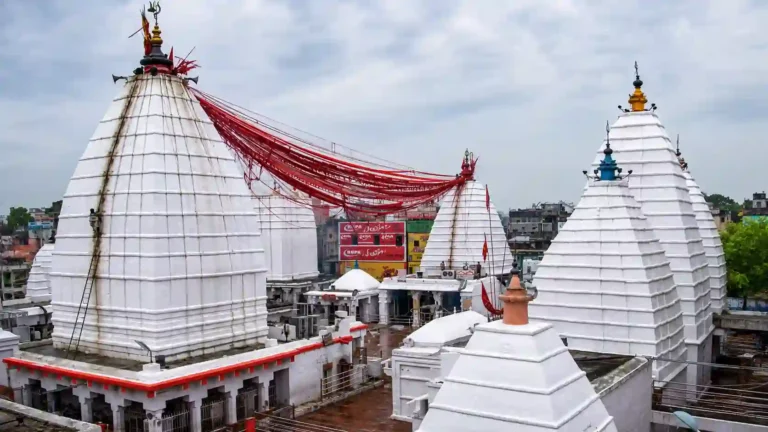
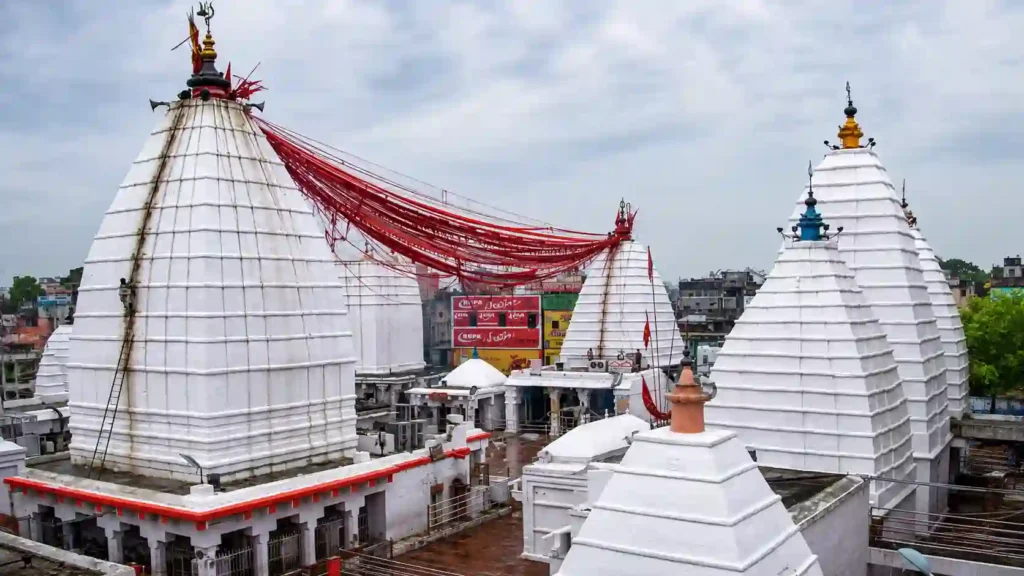
Vaidyanath Temple
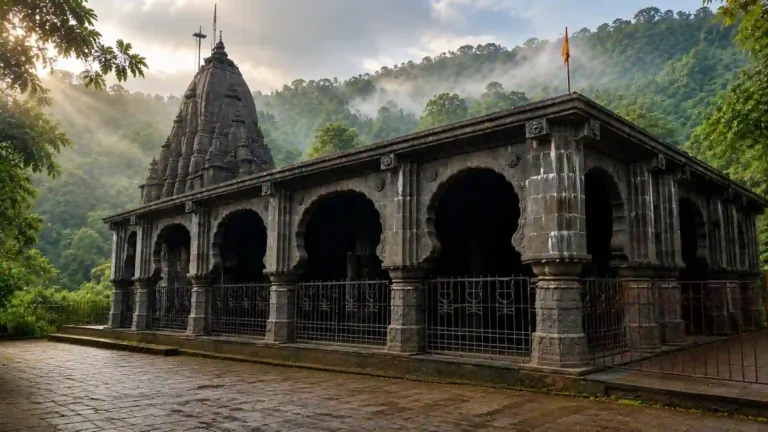
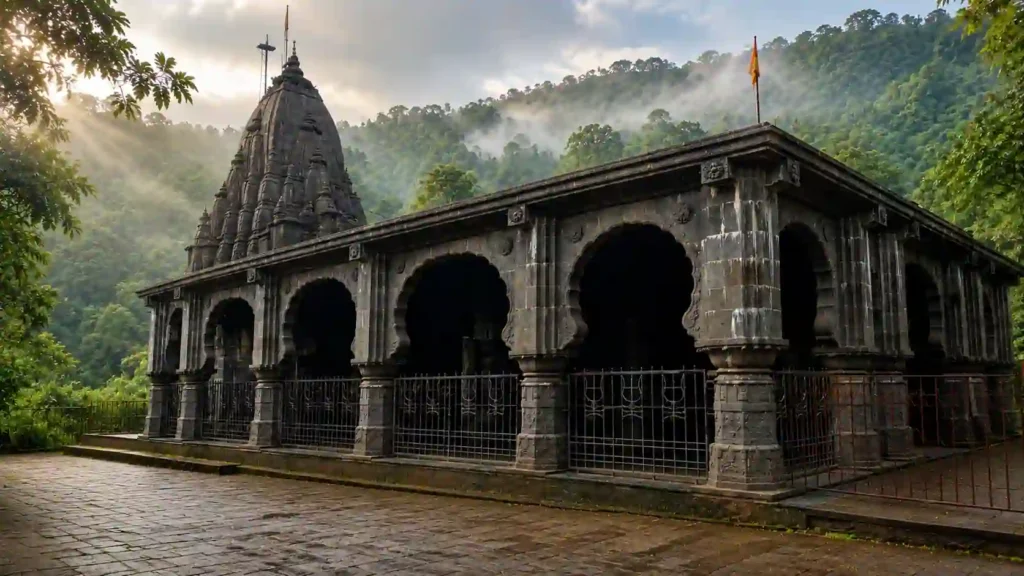
Bhimashankar Temple
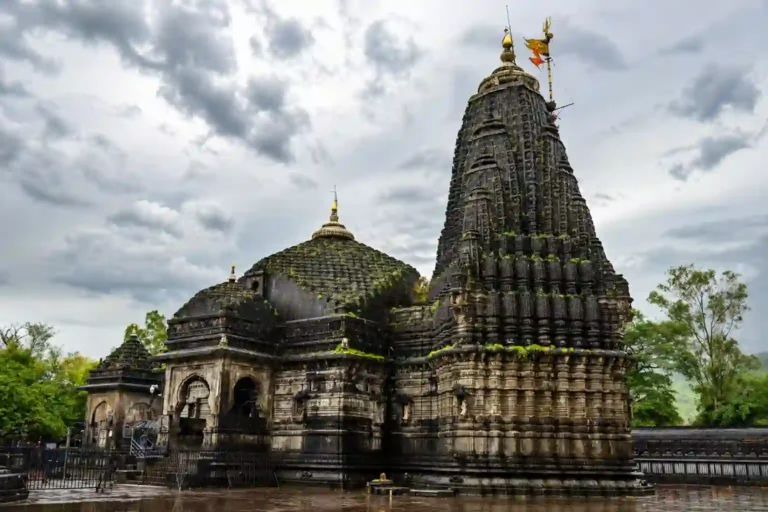
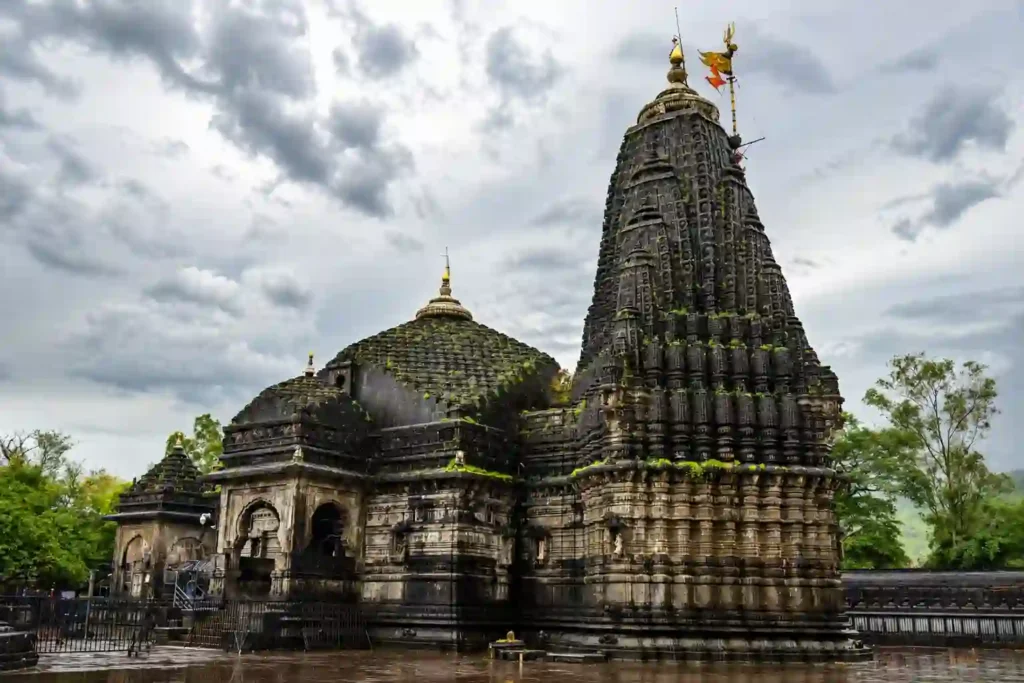
Trimbakeshwar Temple
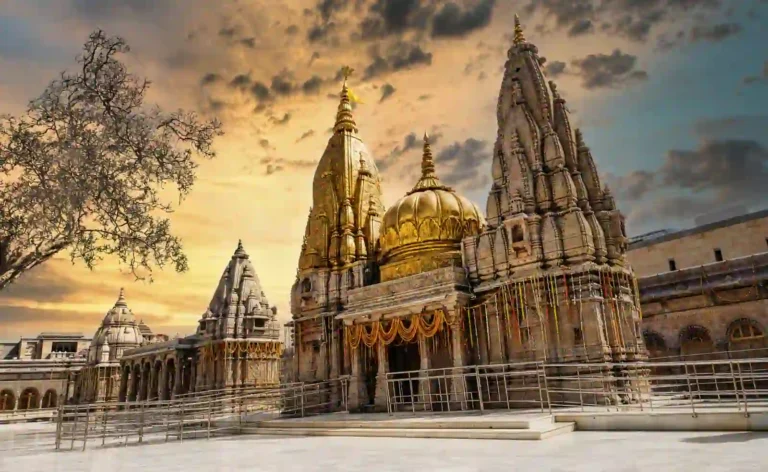
Kashi Vishwanath Temple