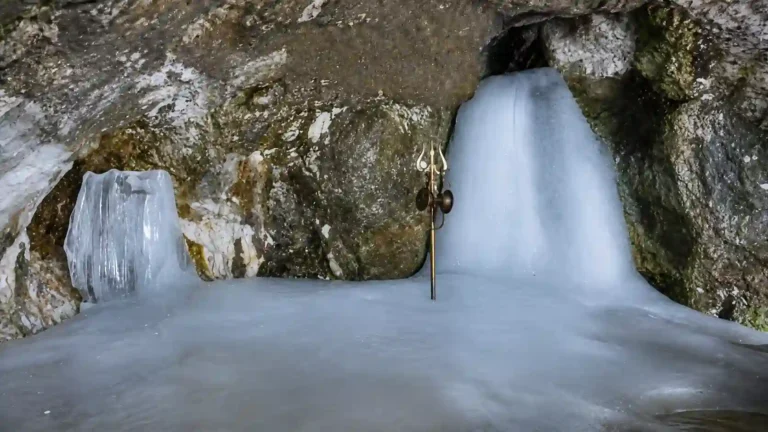

Grishneshwar Temple
Maharashtra, India
One of the 12 Jyotirlingas of Lord Shiva and one of the Char Dham pilgrimage sites, nestled in the lap of the Himalayas at an altitude of 3,583 meters.
Location
Maharashtra, India
Full Address
Verul village, Chhatrapati Sambhajinagar (Aurangabad) District, Maharashtra, India
Latitude
20.025°N
Longitude
75.170°E
Built By/ Era
Ancient shrine mentioned in the Shiva Purana; the present red-stone structure was first restored in the 16th century by Maloji Bhosale (grandfather of Chhatrapati Shivaji Maharaj) and rebuilt into its current form in the 18th century by Maratha queen Ahilyabai Holkar
Elevation
Approximately 610 metres (about 2,000 feet) above sea level, in line with the Deccan plateau around Aurangabad
Associated Deity
Lord Shiva (Jyotirlinga)
Opening Time
5:30 am
Closing Time
9:30 pm
Timing Notes
Timings stretch considerably during Shravan and around Maha Shivratri, when the temple may open as early as 3:00 AM and stay active till 11:00 PM to accommodate the surge of devotees.
Overview
Tucked into the quiet village of Verul on Maharashtra’s Deccan plateau, Grishneshwar Temple doesn’t announce itself with towering gopurams or sprawling courtyards. It is, in fact, considered the smallest of the twelve Jyotirlinga shrines in India — yet its modest red-stone structure carries the weight of being the final one in that sacred list, the twelfth seat of Shiva’s light.
What makes Grishneshwar remarkable isn’t scale but continuity. It sits barely a kilometre from the Ellora Caves, a UNESCO World Heritage Site whose rock-cut temples were carved by the very Rashtrakuta dynasty many historians credit with the origins of this shrine. Walking between the two feels like moving through two different expressions of the same devotional impulse — one carved into a mountainside, the other built stone by stone on the ground beside it.
The temple’s architecture is distinctive for Maharashtra: while most Deccan shrines lean toward the Hemadpanthi or Nagara styles, Grishneshwar borrows elements of South Indian temple design, giving its five-tiered shikhara a look that feels slightly out of place — and all the more memorable for it.
⛰ 12 Jyotirlingas
🕉 Char Dham
✨ Sacred Place
History
Grishneshwar’s story begins with a name rather than a monument. Ancient texts including the Shiva Purana and the Padma Purana trace the temple’s origin to a devoted woman named Ghushma (or Ghrushna). In the most widely told version, Ghushma’s sister, consumed by jealousy over her devotion and good fortune, drowned Ghushma’s young son in a nearby lake. Undeterred in her faith, Ghushma continued her daily worship of Shiva without pause. Moved by her unwavering devotion, Shiva restored her son to life and, at her request, agreed to remain at that very spot forever in the form of a Jyotirlinga — taking the name Ghrishneshwar, “Lord of Ghushma’s compassion.”
The temple’s physical history is layered across many centuries. Some historians trace an early structure to the Rashtrakuta king Krishnaraja I in the 8th century — the same ruling dynasty credited with commissioning the monumental Kailasa Temple carved into the Ellora hillside. Over the following centuries, the shrine suffered repeated damage during periods of regional conflict.
Its modern form owes itself to two figures central to Maratha history. In the 16th century, Maloji Bhosale — grandfather of Chhatrapati Shivaji Maharaj — undertook the temple’s first major restoration. Roughly two hundred years later, in the 18th century, the Maratha queen Ahilyabai Holkar, renowned across India for reconstructing temples damaged over centuries of invasions, rebuilt Grishneshwar into the structure pilgrims see today: a compact red-stone sanctuary spread across roughly 44,000 square feet, with detailed carvings and a sanctum housing the sacred Shivling, guarded at its entrance by a statue of Nandi.
Today, the temple is protected as a site of national heritage by the Archaeological Survey of India, standing as both an active place of worship and a monument to Maratha-era temple reconstruction.
Temple Timings
Opening Time
5:30 am
Closing Time
9:30 pm
Aarti Timings
Morning Aarti
5:30 am
Evening Aarti
9:00 pm
Timing Notes
How to Reach
By Air: The nearest airport is Chhatrapati Sambhajinagar (Aurangabad) Airport, roughly 30 km away, connected by regular domestic flights to Mumbai, Delhi, and other major cities. From the airport, taxis and cabs are easily available for the 45–50 minute drive to Verul.
By Train: Aurangabad Railway Station is the closest major railhead, well connected to Mumbai, Pune, Delhi, and other cities across India. From the station, state buses, shared taxis, or private cabs cover the roughly 30 km stretch to the temple.
By Road: Verul is linked to Aurangabad via NH-211 (also referenced as the Aurangabad–Ellora road), a smooth and well-marked route. From Mumbai, the drive is approximately 335 km (7–8 hours) via NH-160 and NH-211; from Pune, about 260 km (5–6 hours) via NH-60. Maharashtra State Road Transport buses also run frequently between Aurangabad and Verul, making the temple easy to reach without a private vehicle.
Since the temple sits just next to the Ellora Caves, most travellers plan both stops together as a single day trip from Aurangabad.
Nearby Places
Frequently Asked Questions
Kedarnath Temple is famous as one of the 12 Jyotirlingas and part of the Char Dham pilgrimage.
It is believed to have been built by the Pandavas and later reconstructed by Adi Shankaracharya.
The temple closes due to heavy snowfall making the region inaccessible; the deity is moved to Ukhimath.
The temple is open from May to October, with pleasant weather during these months.
Via road to Gaurikund, followed by a 16 km trek, or by helicopter services available seasonally.
You Might Also Like -
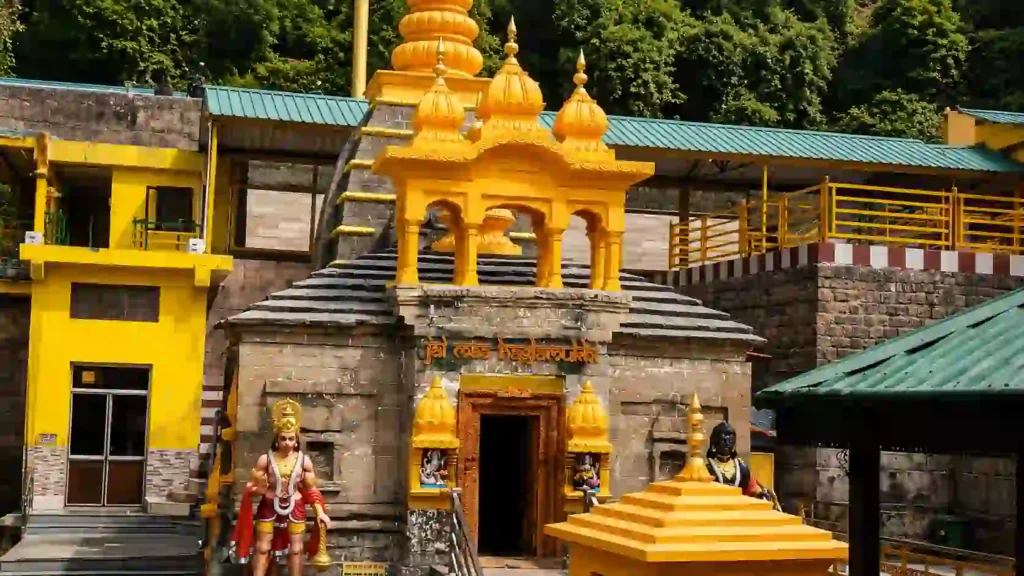
Maa Baglamukhi Temple
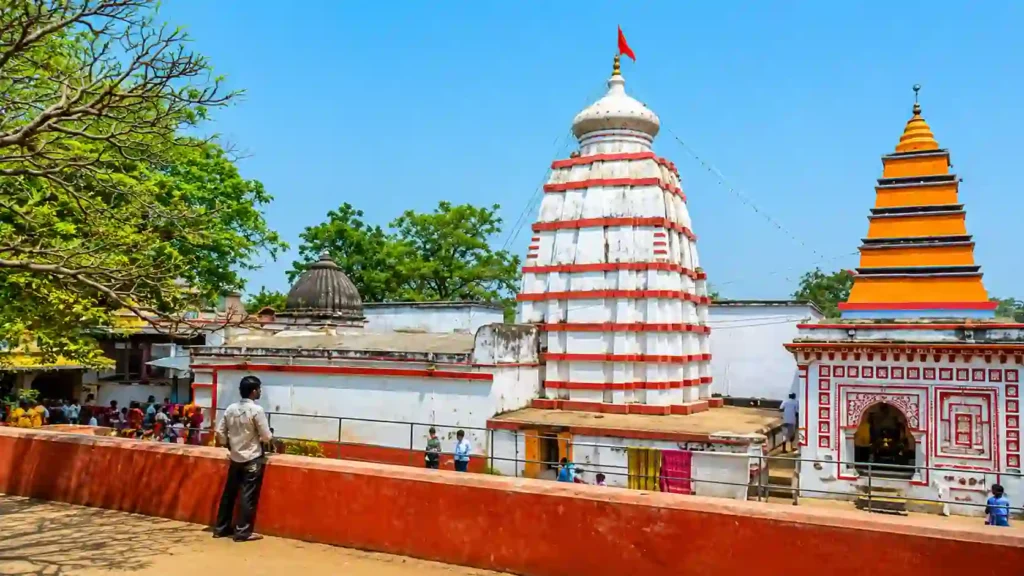
Bakreshwar Temple
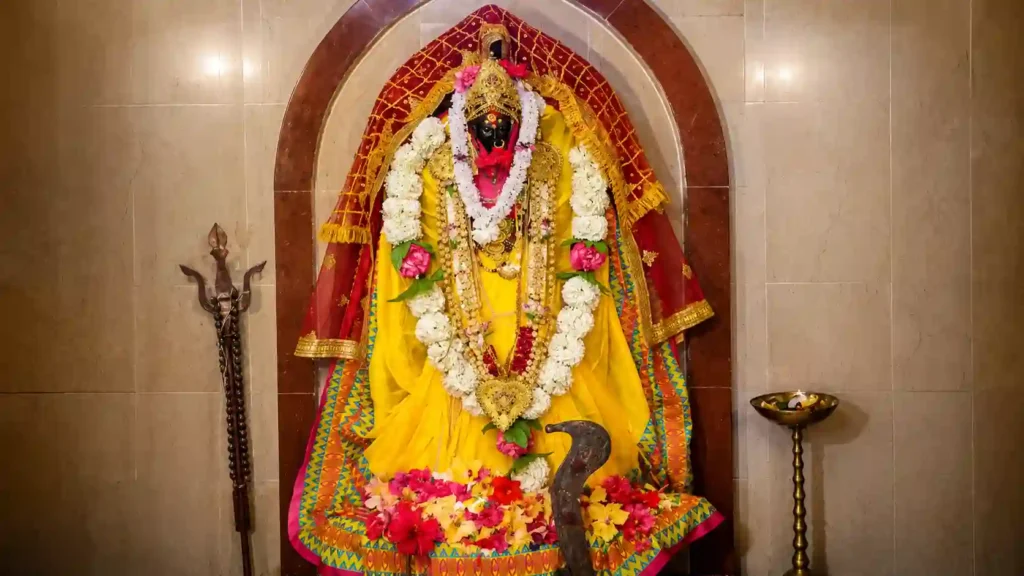
Bahula Devi Temple (Shakti Peeth)
Attahas Temple (Phullara Shakti Peeth), Birbhum