
The Mystery of the 12 Jyotirlingas: Sacred Lights of Lord Shiva
India’s spiritual landscape is filled with countless temples dedicated to Lord Shiva, one of the principal deities of Hinduism. Among them, the 12 Jyotirlingas hold a unique and revered position. These sacred shrines are believed to be places where Lord Shiva manifested himself as a divine column of light, known as a Jyotirlinga.
For millions of devotees, visiting the 12 Jyotirlingas is a sacred pilgrimage that brings spiritual purification, blessings, and liberation. Yet, many wonder: What is the mystery behind the 12 Jyotirlingas? Why are they so special?
Let us explore the fascinating legends, spiritual significance, and hidden mysteries surrounding these divine manifestations of Lord Shiva.
What Does Jyotirlinga Mean?
The word Jyotirlinga is derived from two Sanskrit words:
- Jyoti = Light
- Linga = Symbol of Lord Shiva
Thus, Jyotirlinga means “The Radiant Symbol of Divine Light.”
Unlike ordinary Shiva Lingas, Jyotirlingas are believed to be self-manifested forms of Shiva. They represent the infinite and eternal nature of the Supreme Being.
According to Hindu scriptures, Lord Shiva appeared as an endless pillar of celestial light, demonstrating that he transcends all forms, dimensions, and limitations.
The Origin Story of the Jyotirlingas
The mystery begins with a famous legend found in the Shiva Purana.
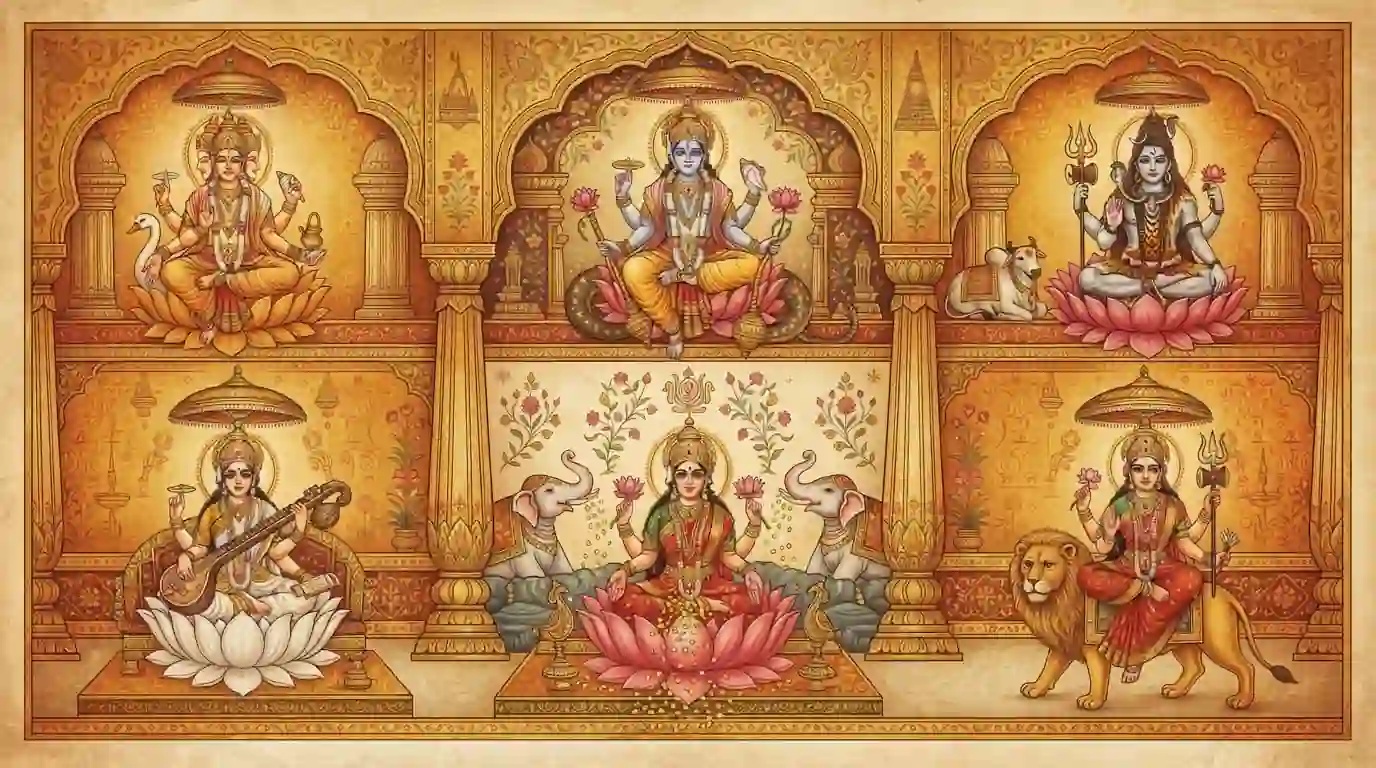
Once, Lord Brahma and Lord Vishnu argued over who was supreme among them. To settle the dispute, Lord Shiva manifested as an infinite pillar of light stretching beyond heaven and earth.
Shiva challenged them:
“Find the beginning or end of this pillar, and the superior one shall be declared supreme.”
Lord Vishnu transformed into a boar and traveled downward to find the base, while Lord Brahma became a swan and flew upward in search of the top.
After searching endlessly, neither could find the limits of the divine light.
Lord Vishnu admitted defeat, but Brahma falsely claimed he had reached the top. Shiva then emerged from the pillar, exposed Brahma’s dishonesty, and declared himself the ultimate reality.
This infinite pillar of light became the symbol of the Jyotirlinga, representing the boundless nature of God.
Why Are There Exactly 12 Jyotirlingas?
One of the greatest mysteries is why only twelve Jyotirlingas are recognized.
According to tradition, these twelve locations are the places where Lord Shiva revealed his divine light most powerfully. Each Jyotirlinga represents a unique aspect of Shiva’s cosmic energy.
Many spiritual scholars believe the number twelve symbolizes:
- The 12 months of the year
- The 12 zodiac signs
- The 12 forms of the Sun
- The cycle of time and creation
Together, the 12 Jyotirlingas symbolize Shiva’s presence throughout the universe and across all dimensions of time.
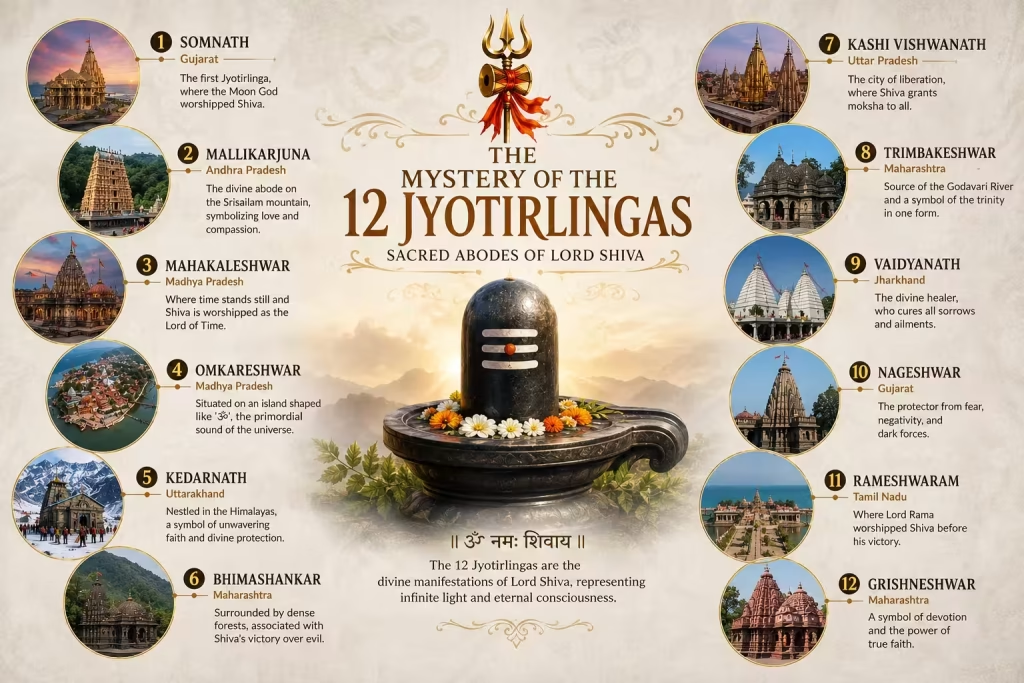
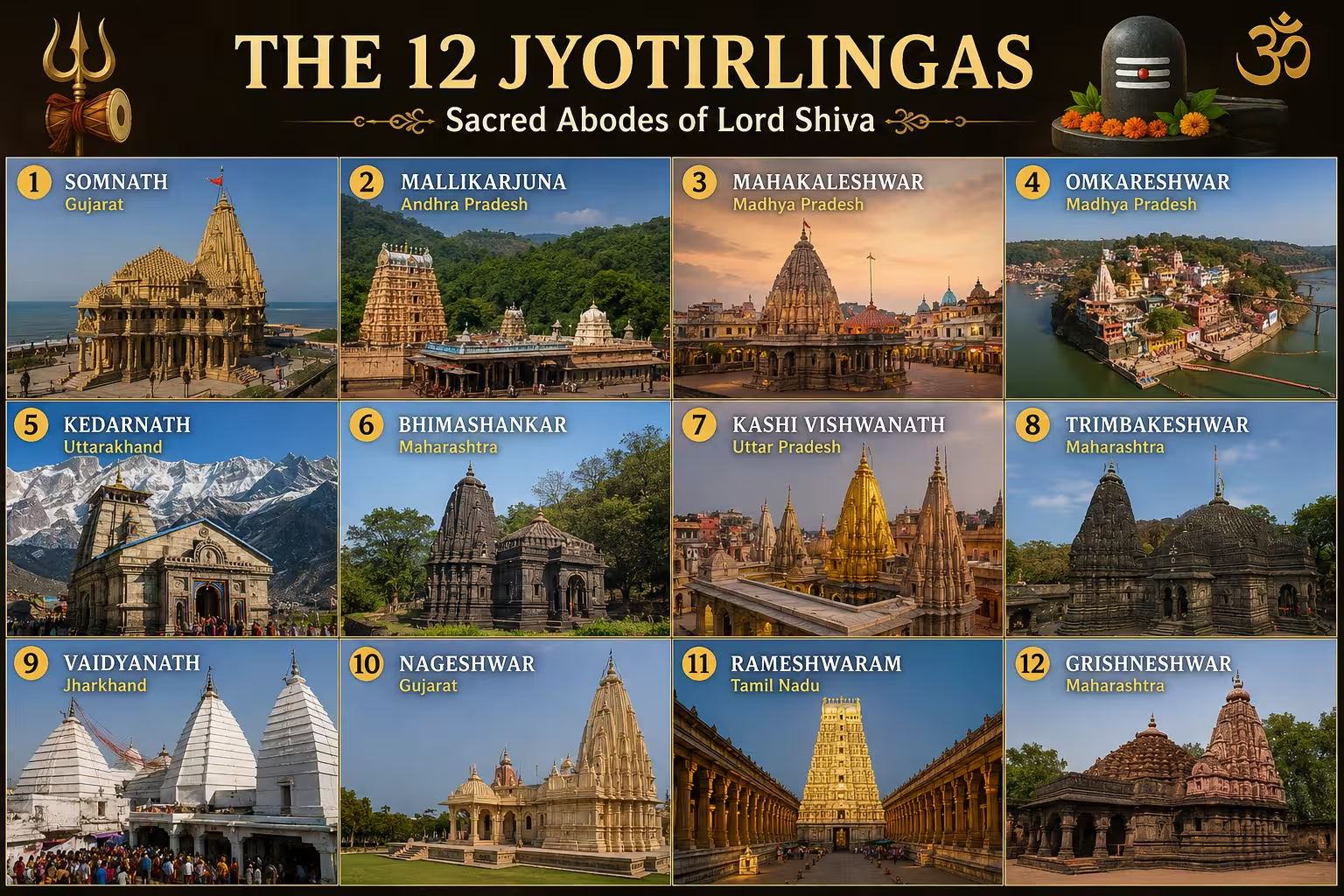
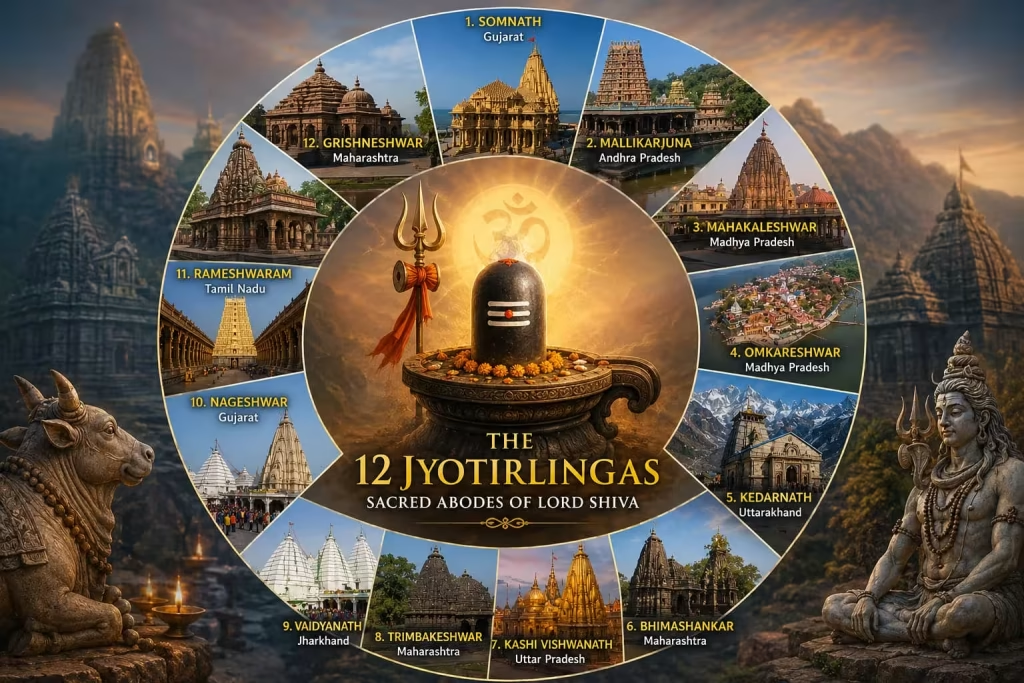
The 12 Jyotirlingas of India
1. Somnath Jyotirlinga (Gujarat)
Somnath is considered the first Jyotirlinga.
Legend says the Moon God (Chandra) worshipped Shiva here to overcome a curse. Lord Shiva blessed him and restored his radiance.
Mystery: Despite being destroyed and rebuilt multiple times throughout history, Somnath continues to stand as a symbol of unwavering faith.
2. Mallikarjuna Jyotirlinga (Andhra Pradesh)
Located on the sacred Srisailam mountain, this Jyotirlinga represents the divine union of Shiva and Parvati.
Mystery: It is believed that merely seeing the temple grants spiritual merit equivalent to visiting numerous holy sites.
3. Mahakaleshwar Jyotirlinga (Madhya Pradesh)
Situated in Ujjain, Mahakaleshwar is unique because the deity faces south.
Mystery: The famous Bhasma Aarti uses sacred ash, symbolizing the truth that all material existence ultimately turns to dust.
4. Omkareshwar Jyotirlinga (Madhya Pradesh)
This temple is located on an island shaped like the sacred symbol “Om.”
Mystery: Devotees believe the entire island vibrates with spiritual energy connected to the primordial sound Om.
5. Kedarnath Jyotirlinga (Uttarakhand)
Nestled in the Himalayas, Kedarnath is among the most revered pilgrimage destinations.
Mystery: The temple survived devastating floods in 2013 while much of the surrounding area was destroyed, strengthening believers’ faith in Shiva’s protection.
6. Bhimashankar Jyotirlinga (Maharashtra)
Located amidst dense forests, Bhimashankar is associated with Shiva’s victory over the demon Bhima.
Mystery: Many devotees report experiencing profound peace and spiritual awakening in the temple’s natural surroundings.
7. Kashi Vishwanath Jyotirlinga (Uttar Pradesh)
Located in Varanasi, one of the world’s oldest living cities.
Mystery: Hindu tradition says Lord Shiva personally grants liberation (moksha) to devotees who die in Kashi.
8. Trimbakeshwar Jyotirlinga (Maharashtra)
This sacred temple lies near the source of the Godavari River.
Mystery: The Jyotirlinga contains representations of Brahma, Vishnu, and Shiva, symbolizing the unity of creation, preservation, and destruction.
9. Vaidyanath Jyotirlinga (Jharkhand)
Known as the “Divine Healer,” Vaidyanath is associated with Lord Shiva’s power to cure suffering.
Mystery: Pilgrims believe sincere prayers here bring physical, emotional, and spiritual healing.
10. Nageshwar Jyotirlinga (Gujarat)
Dedicated to Shiva as the Lord of Serpents.
Mystery: The temple symbolizes protection from fear, negativity, and hidden dangers.
11. Rameshwaram Jyotirlinga (Tamil Nadu)
According to the Ramayana, Lord Rama worshipped Shiva here before crossing to Lanka.
Mystery: It beautifully unites devotees of both Lord Rama and Lord Shiva.
12. Grishneshwar Jyotirlinga (Maharashtra)
The last Jyotirlinga is located near the Ellora Caves.
Mystery: It teaches that unwavering devotion can overcome even the greatest hardships.
The Spiritual Significance of the 12 Jyotirlingas
The Jyotirlingas are not merely temples. They symbolize different dimensions of spiritual growth.
They Represent:
- Divine light conquering darkness
- Truth overcoming ego
- Eternal consciousness beyond death
- The unity of all creation
Each pilgrimage is viewed as a journey from ignorance to enlightenment.
Scientific and Spiritual Perspectives
Many devotees describe experiencing unusual peace, heightened awareness, and spiritual energy at Jyotirlinga sites.
While science may attribute these experiences to faith, meditation, and environmental factors, spiritual traditions believe these locations possess unique cosmic vibrations accumulated through centuries of worship.
Ancient temple architecture often aligns with astronomical principles, sacred geometry, and natural energy fields, adding another layer to the mystery.
Hidden Symbolism Behind the Jyotirlingas
The Jyotirlinga itself contains profound symbolism:
The Circular Base (Yoni)
Represents Shakti, the divine feminine energy.
The Linga
Represents Shiva, pure consciousness.
Their Union
Symbolizes the creation and sustenance of the universe.
Thus, every Jyotirlinga reflects the cosmic balance between energy and consciousness.
Benefits of Visiting the 12 Jyotirlingas
According to Hindu scriptures, visiting the Jyotirlingas can:
- Purify accumulated karma
- Increase spiritual awareness
- Bring peace and prosperity
- Remove obstacles from life
- Strengthen devotion to Lord Shiva
- Lead toward moksha (liberation)
Many devotees undertake the complete Jyotirlinga Yatra as a sacred lifetime goal.
Lessons from the Mystery of the 12 Jyotirlingas
The story of the Jyotirlingas teaches timeless truths:
- God is infinite and beyond human understanding.
- Ego and pride lead to downfall.
- Truth and humility lead to spiritual growth.
- Divine light exists within every living being.
- The path to enlightenment begins with devotion and self-realization.
The twelve Jyotirlingas stand as eternal reminders of these profound spiritual principles.
The Mystery of the 12 Jyotirlingas continues to inspire millions of devotees across the world. These sacred shrines are far more than ancient temples; they are powerful symbols of Lord Shiva’s infinite presence, divine light, and cosmic energy.
Whether viewed through the lens of faith, spirituality, history, or symbolism, the Jyotirlingas remain among the greatest treasures of Hindu civilization. Their legends remind us that the ultimate reality is beyond form, beyond time, and beyond human comprehension—an eternal light illuminating the path toward truth and liberation.