
India is a land of vibrant festivals that celebrate culture, devotion, relationships, and the rhythm of nature. One such deeply spiritual and culturally rich festival is Kajari Teej, also known as Kajali Teej or Badi Teej. In 2025, Kajari Teej will be celebrated on Tuesday, 12 August 2025, falling on the Tritiya Tithi of Krishna Paksha in the Bhadrapada month as per the Hindu calendar. This auspicious day is especially important for married women who observe a strict fast and pray for the long life, health, and prosperity of their husbands.
Let us explore the festival in depth — from its origin and mythological background to rituals, regional practices, and how you can celebrate Kajari Teej 2025 with devotion and joy.
📅 Kajari Teej 2025 Date and Tithi Timings
Festival Name: Kajari Teej (Badi Teej)
Date: Tuesday, 12 August 2025
Tithi Begins: 11 August 2025 at 10:33 AM
Tithi Ends: 12 August 2025 at 08:40 AM
According to tradition, fasting is ideally observed during the daylight hours of the Tritiya Tithi, which in 2025 aligns perfectly with the early morning of 12 August, making it the official celebration day.
What is Kajari Teej?
Kajari Teej is the third Teej festival observed in the monsoon season, after Hariyali Teej and before Hartalika Teej. The name “Kajari” is derived from the Hindi word ‘kajal’, meaning kohl or soot, representing the dark monsoon clouds. It is celebrated with a blend of devotional rituals and cultural festivity, primarily by women in Uttar Pradesh, Madhya Pradesh, Bihar, Rajasthan, and some parts of Maharashtra.
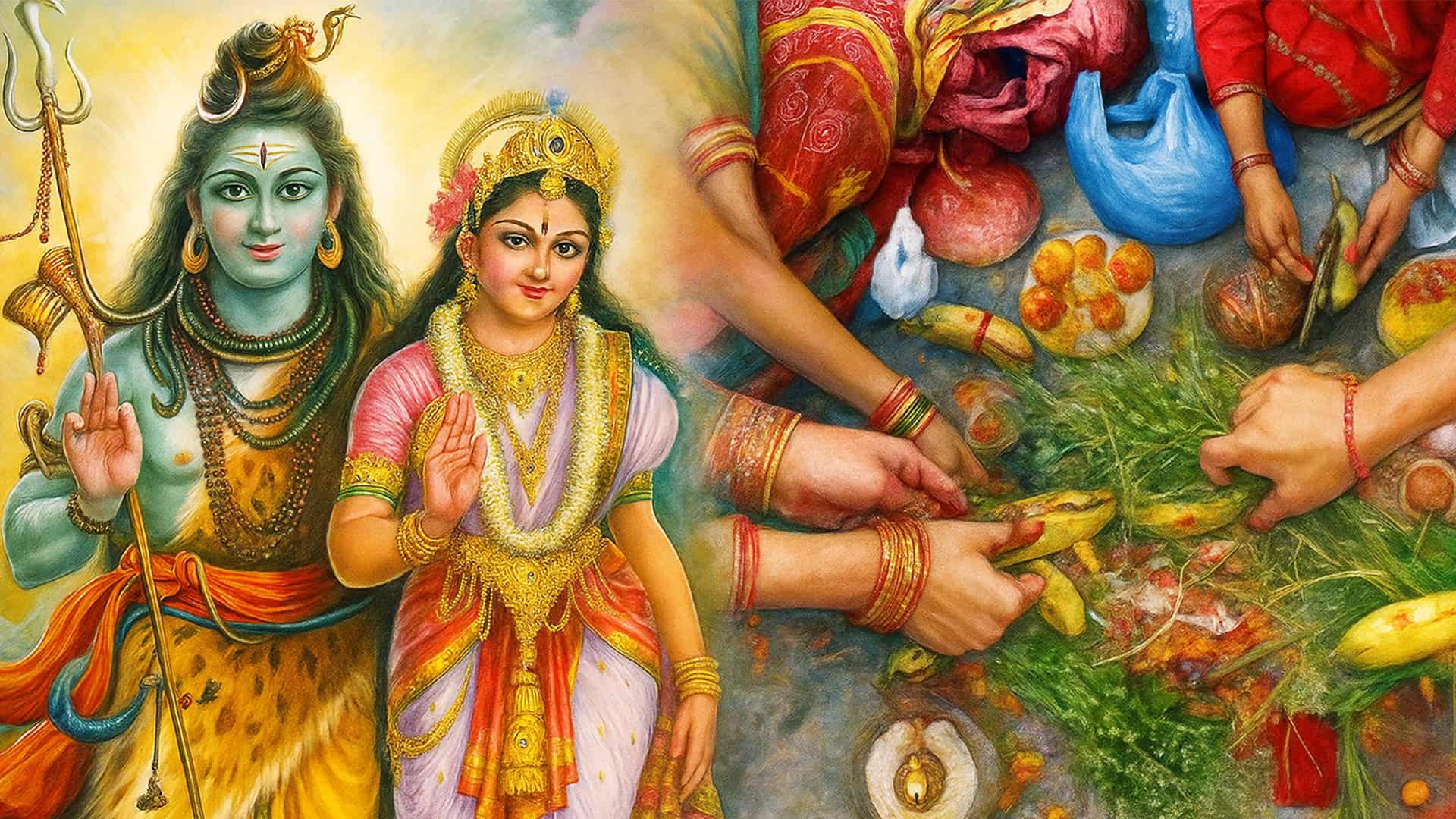
The festival celebrates marital bliss, devotion to Goddess Parvati, mother nature, and the symbolic reunion of Lord Shiva and Parvati after her long penance. It’s a time when the earth is rejuvenated by rain, and hearts are uplifted with devotion and joy.
Spiritual Significance of Kajari Teej
While Hariyali Teej emphasizes greenery and the arrival of the monsoon, Kajari Teej emphasizes devotion, patience, emotional strength, and the sanctity of marriage. It reflects the deep-rooted Indian belief in the spiritual bonding of husband and wife — not just as physical beings, but as spiritual companions on a journey of karma and dharma.
Kajari Teej also signifies the power of a woman’s prayer, where her selfless devotion can bring prosperity and happiness to the entire family. It reminds us that just like nature blossoms in monsoon, so do relationships when nurtured with love, sacrifice, and prayers.
Rituals and Vrat Vidhi (Fasting Process)
The rituals of Kajari Teej are unique and differ slightly from region to region. However, the main observances include the following:
1. Nirjala Vrat (Fast without water)
Women observe a strict fast from sunrise to moonrise, without consuming water or food. This is a form of penance and devotion, believed to bring immense blessings.
2. Worship of Neemdi Mata
A symbolic idol or an actual Neem tree is worshipped.
Offerings include sattu (made from gram flour), gur (jaggery), fruits, curd, cucumber, and pulses.
Women light a diya (lamp) in front of the deity and perform puja with vermillion, rice, and turmeric.
3. Sing Folk Songs (Kajri Geet)
Women gather in groups and sing Kajri songs, which are emotional and filled with longing, devotion, or playful teasing. These folk tunes have been passed down for generations and capture the soul of Indian rural life.
4. Jhula Tradition (Swing Rituals)
Swings are tied on trees and decorated with flowers. Women and girls take turns swinging while singing folk songs. It symbolizes joy, freedom, and celebration of nature.
5. Applying Mehndi and Getting Dressed
On the eve or morning of Kajari Teej, women apply mehndi (henna) on their hands and feet. They dress in traditional attire — often sarees or lehengas in green, red, or yellow — and adorn themselves with jewelry.
6. Moon Sighting and Breaking the Fast
After performing puja in the evening, women break their fast after sighting the moon or completing the nighttime rituals. In some regions, they offer water to the moon, similar to Karwa Chauth.
The Culture of Kajari Songs
One of the most beloved elements of this festival is the Kajri Geet (folk songs). These songs are filled with emotional verses that reflect:
A woman’s longing for her husband during the monsoon
The pain of separation
Joy of reunion
Nature’s beauty
Sample lines include:
“Kajari ki ritu aayi, piya ghar na aaye,
Savan ke jhoole, dil ko bhaaye…”These folk traditions help keep the oral storytelling and cultural heritage of Indian villages alive. In fact, Kajri music is considered a full-fledged folk genre, especially in Eastern Uttar Pradesh and Bihar.
Kajari Teej Across Indian States
Uttar Pradesh and Bihar
Major celebration in Mirzapur, Varanasi, Ballia, and Gorakhpur
Women worship Neemdi Mata in courtyards or under trees
Cultural gatherings and group singing are organized
Rajasthan
Known as Badi Teej
People prepare ghevar and feni, traditional sweets
Swings are decorated with flowers and mango leaves
In some places, idols of Teej Mata are taken out in processions
Madhya Pradesh
Observed widely in Bundelkhand and Baghelkhand
Involves group dance and singing in local dialects
Maharashtra
Celebrated in some parts by married women from North Indian communities
Dos and Don’ts of Kajari Teej
Do:
Wake up early, take a holy bath, and wear clean clothes
Observe the fast with full devotion and faith
Perform puja rituals correctly, including offering neem leaves, sattu, and diya
Listen to or sing Kajari songs
Break the fast only after moonrise and prayer
Don’t:
Eat or drink during the fast (if observing Nirjala Vrat)
Disrespect the traditions by being casual or careless
Use harsh or negative words during the rituals
Miss the puja timings during the Tritiya Tithi
Special Food and Prasad
Although fasting is observed, women prepare food for the bhog or prasad, which is offered to the deity and consumed after the vrat ends.
Common items include:
Sattu
Ghevar (sweet disc made of flour and sugar syrup)
Malpua
Kheer
Coconut and dry fruits
Kajari Teej’s Modern Relevance
In modern times, festivals like Kajari Teej help reconnect people with their roots, traditions, and community. Urban women celebrate by organizing cultural gatherings, online pujas, and sharing Kajari songs on social media.
Many working women observe partial fasts or symbolic rituals, blending tradition with practicality. Spirituality, however, remains at the heart of the festival.
Kajari Teej 2025, falling on 12 August 2025, is more than a festival — it’s a beautiful reminder of nature’s harmony, a woman’s strength, and the sacred bond of love and marriage. It allows one to pause, reflect, pray, and immerse in the joy of togetherness and tradition.
As monsoon showers nourish the soil, let your prayers on this Teej nourish your relationships, fill your life with peace, and bring divine blessings from Shiva and Parvati.