
Nabanna Festival: The First Grain

Before the rice is eaten, it is offered in prayer. Before the harvest is celebrated, it is sanctified. This is the essence of the Nabanna festival, a festival of gratitude, fertility, and divine communion.
Observed in parts of Bengal, Odisha, and Assam, Nabanna marks the arrival of the new rice crop, the first grains of the season. It is a moment of reverence, where the earth’s bounty is returned to the gods before it nourishes the body.
A Ritual of Gratitude
Nabanna festival is not just a harvest festival. It is a ritual of thankfulness. The farmers, who have toiled through sun and monsoon, now bow to the soil that gave them sustenance.
The first rice is cooked, offered to deities, and shared with family. It is not merely food, it is prasada, sacred and blessed.
The Goddess of Grain
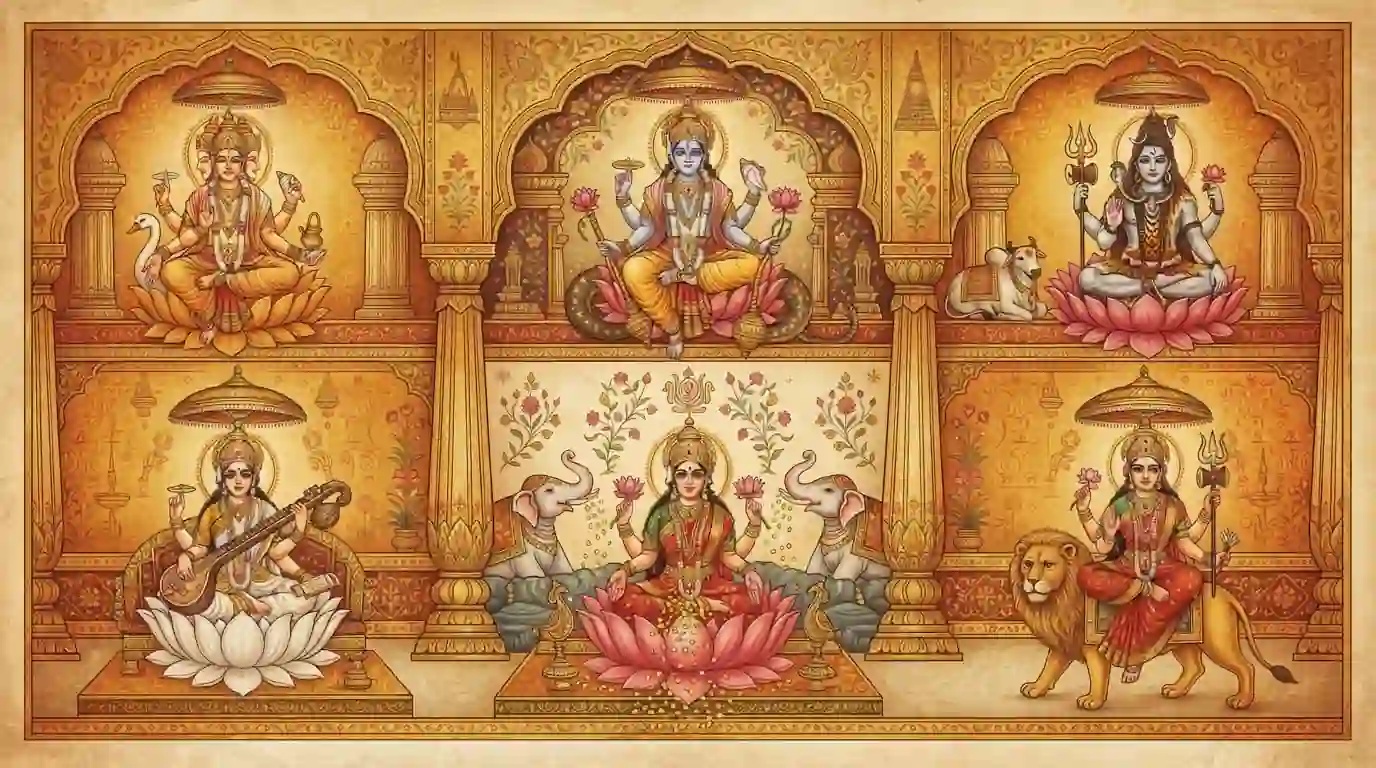
At the heart of Nabanna is Annapurna, the goddess of nourishment. She is the divine kitchen, the eternal provider, the mother who feeds the world.
Her name means “full of food,” and her presence is invoked in every grain. In Bengal, she is worshipped with rice, lentils, and vegetables, simple offerings that carry deep devotion.
Nabanna Festival: The Mythic Origins
The roots of Nabanna festival stretch into myth. In one tale, Annapurna once withheld food to teach Shiva the value of sustenance. When he realized that even ascetics need nourishment, she returned, holding a ladle and a bowl, feeding the universe.
This story is retold during Nabanna, reminding devotees that food is sacred and feeding is divine.
The Earth as Mother
Nabanna festival is also a celebration of Bhumi Devi, the earth goddess. She is the one who receives the seed, nurtures it with rain, and returns it as grain.
- Before the rice is harvested, prayers are offered to her.
- The soil is touched with reverence.
- The field becomes a temple.
The Ritual of First Offering
The first rice is not eaten immediately. It is offered to:
- Family deities and household gods
- Village guardians and ancestral spirits
- Cows, considered sacred and maternal
- Children, as symbols of continuity
This offering is called “Nabanna Bhog”, and it is prepared with care, often including rice pudding, coconut sweets, and seasonal vegetables.
The Festival in Bengal
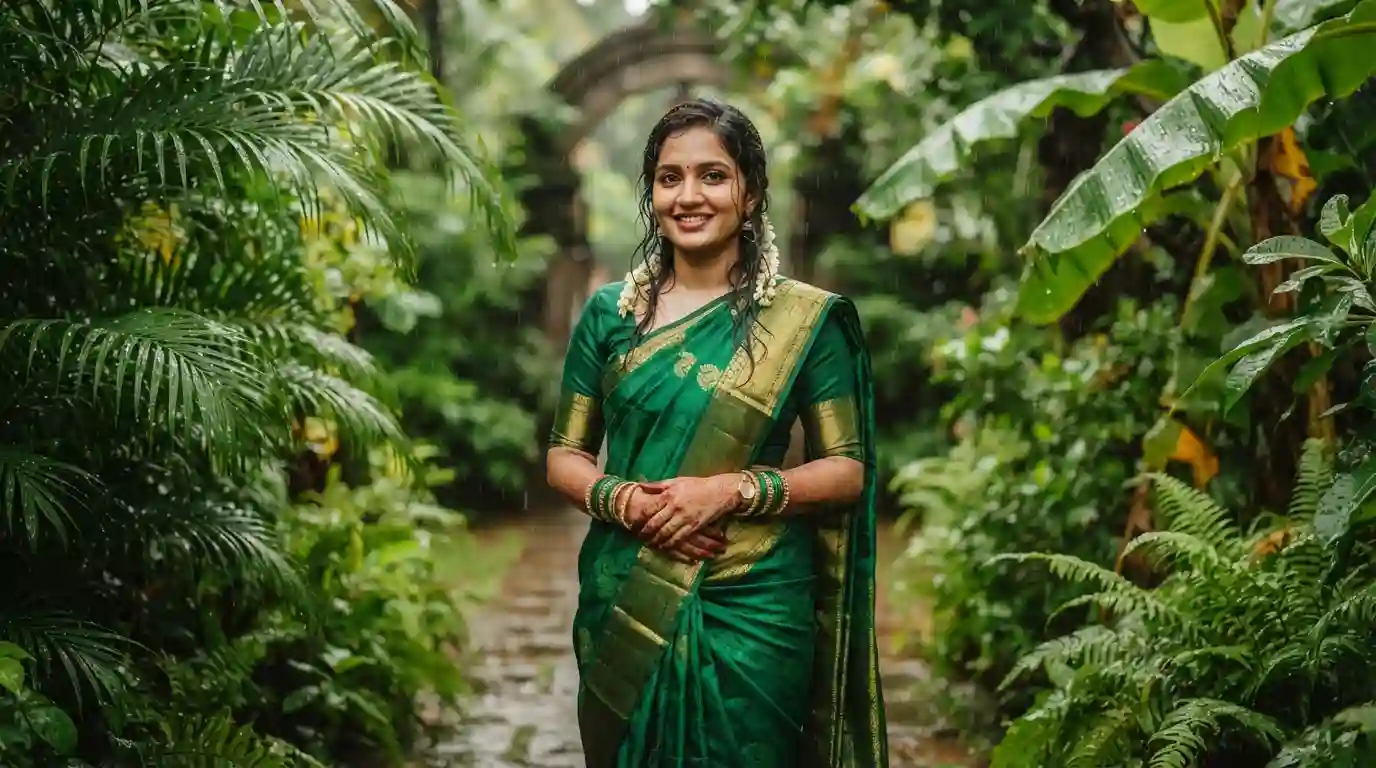
In West Bengal, the Nabanna festival is celebrated with music, dance, and food. It often coincides with Kartika month, when the skies are clear and the fields golden.
Villages organize community feasts, where the new rice is cooked in large pots and served to all. Folk songs praise the harvest, and dances mimic the rhythm of sowing and reaping.
The Festival in Odisha
In Odisha, the Nabanna festival is part of the Nuakhai tradition. “Nua” means new, and “khai” means food. It is a day when families gather, elders bless the grain, and prayers are offered to Lord Jagannath, the lord of the universe.
The ritual includes:
- Cleaning the house and kitchen
- Preparing the first meal from new rice
- Offering it to the deity before anyone eats
- Seeking blessings from elders
It is a day of renewal, both agricultural and emotional.
The Festival in Assam
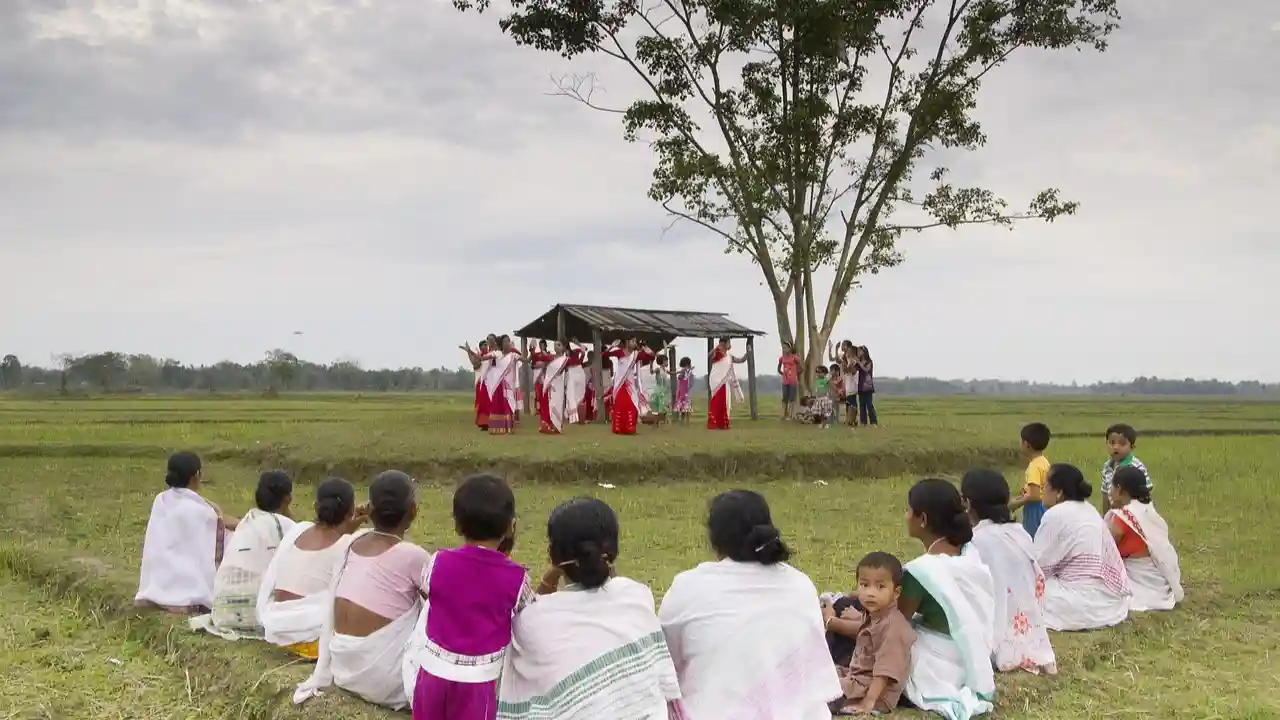
In Assam, the Nabanna festival is linked to the Kati Bihu festival. It is a quieter celebration, focused on lighting lamps in the fields and praying for a good harvest.
The new rice is offered to Goddess Lakshmi, the goddess of prosperity. Small earthen lamps are placed on bamboo poles, illuminating the fields like stars.
The Sacredness of Rice
Rice is not just a crop; it is life. In Indian culture, it is used in weddings, rituals, and funerals. It is thrown in blessings, cooked in offerings, and stored with care.
Nabanna festival reminds us that rice is not to be taken for granted. It is the fruit of labor, the gift of nature, and the grace of the divine.
The Role of Women
Women play a central role in the Nabanna festival. They clean the house, prepare the offerings, and sing songs of fertility and abundance.
In many regions, young girls are fed first, symbolizing the goddess herself. Their laughter is considered auspicious, and their presence ensures prosperity.
Songs of the Soil
Folk songs are an essential part of Nabanna. They speak of:
- The joy of harvest
- The love of the land
- The blessings of the gods
- The unity of the village
These songs are passed down orally, sung in dialects, and filled with emotion. They are the voice of the soil.
The Dance of Abundance
In tribal regions, Nabanna includes harvest dances. Men and women dress in traditional attire, adorned with flowers and grains. Their movements mimic the sowing, growing, and harvesting of crops.
The dance is not just a celebration; it is a ritual, a way to honor the cycle of life.
The Kitchen as Temple
During Navanna, the kitchen becomes a sacred space. The fire is lit with prayer. The utensils are cleaned with reverence. The cooking is done in silence or song.
The act of preparing food becomes spiritual, a form of worship, a dialogue with the divine.
The First Taste
The first bite of new rice is special. It is eaten slowly, mindfully, often with jaggery or ghee. It is not just nourishment, it is communion.
For many, it evokes memories of childhood, of grandparents, of simpler times. It is a taste of tradition.
The Blessing of Elders
After the offering, elders bless the younger members of the family. They place rice grains on their heads, chant mantras, and speak words of wisdom.
This blessing is believed to bring:
- Prosperity in the coming year
- Protection from misfortune
- Harmony in the household
It is a moment of connection across generations.
The Spirit of Sharing
Nabanna is also about sharing. No one is left out. The harvest is communal.
This act of sharing reflects the belief that abundance grows when given, and that food is a bridge between hearts.
The Cycle of Seasons
Nabanna marks the end of one cycle and the beginning of another. The monsoon has passed. The fields have yielded. The granaries are full.
It is a time to pause, reflect, and prepare for the next sowing. The festival teaches patience, rhythm, and respect for nature’s timing.
The Inner Offering
Beyond the rituals and feasts, the Nabanna festival invites an inner offering. Just as the first grain is given to the gods, we are asked to offer our first thoughts, our best intentions, our purest emotions.
It is a reminder that life is sacred, and every act can be divine.
The Message of Nabanna Festival
Nabanna teaches us:
- To honor the earth
- To thank the divine
- To share with others
- To celebrate simplicity
It is a festival that blends agriculture with spirituality, tradition with emotion, and food with faith.
Nabanna Festival: The Eternal Harvest
Though the rice may be consumed, the spirit of Navanna remains. It lives in the songs, the stories, the rituals, and the hearts of those who celebrate it.
- It is the eternal harvest, the offering that never ends.