
Brahma Temple, Pushkar
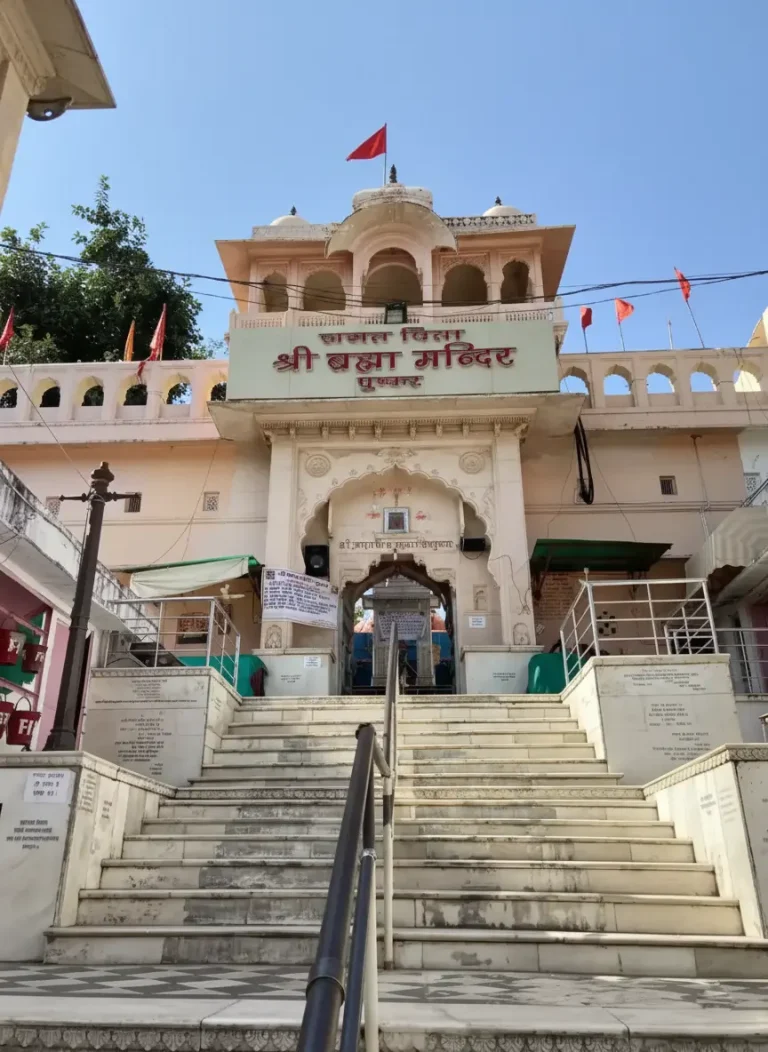
The Brahma Temple in Pushkar, Rajasthan, stands as one of the most unique and sacred temples in India. Dedicated to Lord Brahma, the creator of the universe in Hindu mythology, this temple holds immense spiritual and cultural significance. While temples of Vishnu and Shiva are found in abundance, temples dedicated to Brahma are extremely rare, making Pushkar’s Brahma Temple a global spiritual landmark.
Located beside the serene Pushkar Lake and surrounded by the Aravalli hills, the temple attracts pilgrims, spiritual seekers, historians, and tourists from all over the world.
Location and Accessibility
Location: Pushkar, Ajmer District, Rajasthan, India
Nearest Railway Station: Ajmer Junction (approx. 15 km)
Nearest Airport: Jaipur International Airport (approx. 150 km)
Pushkar is well connected by road and rail, making it easily accessible for visitors throughout the year.
Mythological Significance of Brahma Temple
According to Hindu mythology, Lord Brahma performed a yajna (sacred fire ritual) at Pushkar to maintain cosmic balance. For the ritual to be successful, his wife Goddess Saraswati was required to be present. When she arrived late, Brahma married Goddess Gayatri to complete the yajna.
This action angered Goddess Saraswati, who cursed Lord Brahma that he would not be widely worshipped on Earth. As a result, Pushkar became the primary and most important place of Brahma worship, explaining the rarity of Brahma temples elsewhere.
Pushkar itself is believed to have been created when a lotus flower fell from Lord Brahma’s hand, giving the town its divine origin.
Historical Background
The present structure of the Brahma Temple is believed to have been built around the 14th century, though references to the temple appear in ancient Hindu scriptures such as the Padma Purana and Skanda Purana.
Over centuries, the temple underwent renovations by Rajput rulers and devotees, preserving its spiritual and architectural integrity. Despite invasions and natural wear, the temple remains a symbol of unwavering faith.
Architecture of Brahma Temple Pushkar
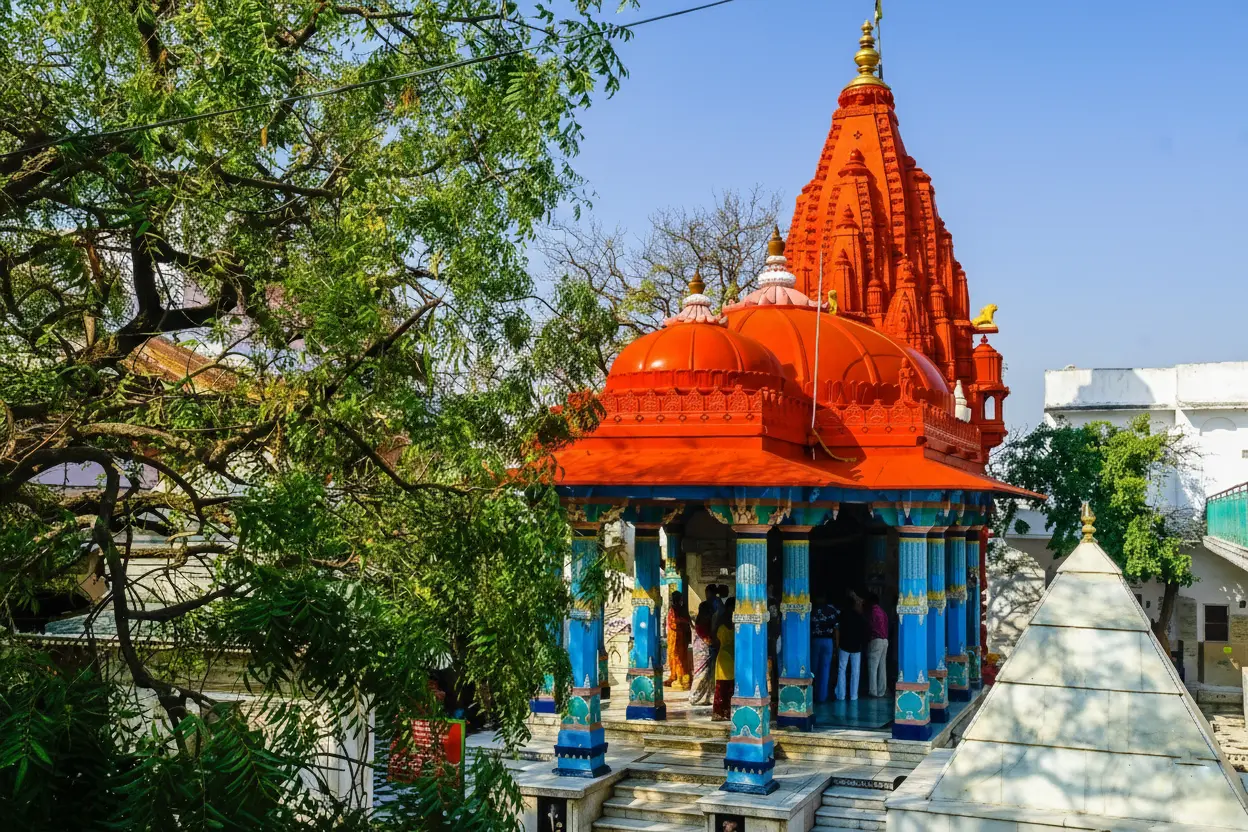
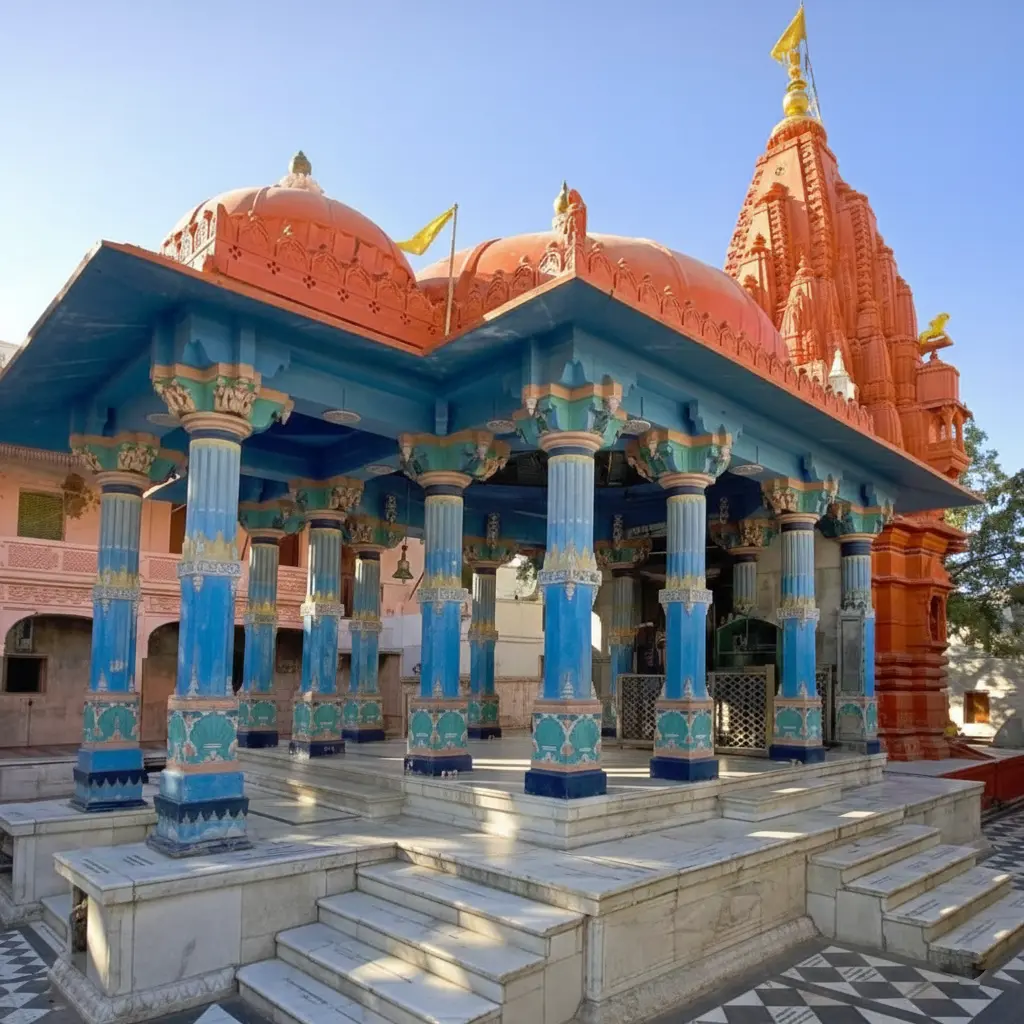
The architecture of Brahma Mandir Pushkar reflects traditional North Indian temple design blended with Rajasthani elements.
Key Architectural Features:
Red Spire (Shikhara):
The temple is crowned with a distinctive red-colored spire, symbolizing creation and cosmic energy.Hamsa (Swan) Motif:
The swan, Brahma’s divine vehicle, is prominently depicted, representing wisdom and discernment.Four-Faced Idol of Lord Brahma:
The sanctum houses a rare four-faced idol of Lord Brahma, each face symbolizing one of the four Vedas.Marble Flooring:
The inner sanctum features beautifully carved marble floors and silver coins placed by devotees as offerings.Silver Turtle (Kurma):
A large silver turtle is placed in the courtyard, considered sacred and symbolic of cosmic stability.
Spiritual Significance of Lord Brahma
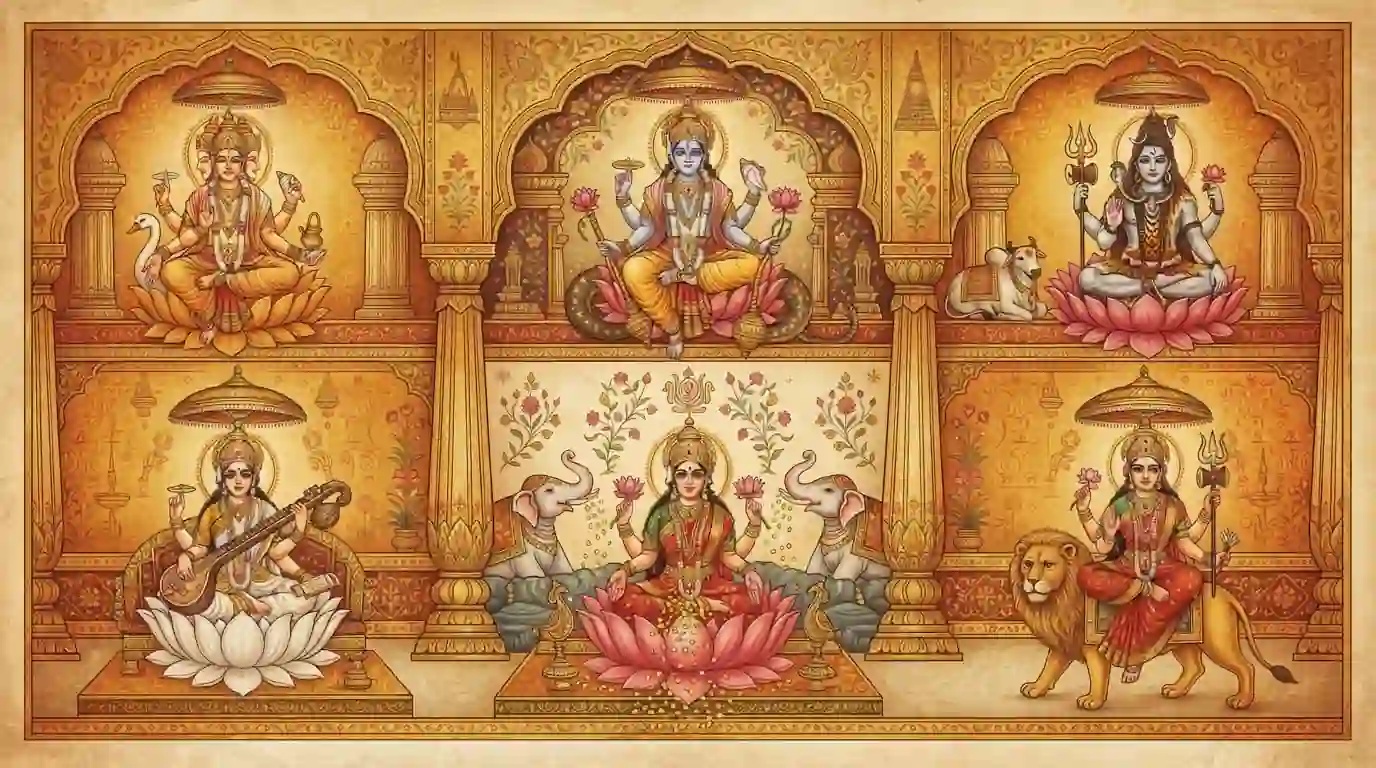
In Hinduism, Lord Brahma is part of the Trimurti:
Brahma – The Creator
Vishnu – The Preserver
Shiva – The Destroyer
Brahma represents the origin of life, knowledge, and wisdom. Worshipping at the Brahma Temple is believed to bless devotees with clarity, creativity, learning, and spiritual awareness.
Religious Rituals and Worship
Daily worship at the Brahma Temple follows Vedic traditions.
Main Rituals Include:
Mangala Aarti (Morning Aarti)
Bhog Aarti
Sandhya Aarti (Evening Aarti)
Priests chant Vedic mantras and offer flowers, incense, and sacred items. Devotees are required to remove footwear and follow strict purity rules before entering the temple.
Pushkar Lake and Its Importance
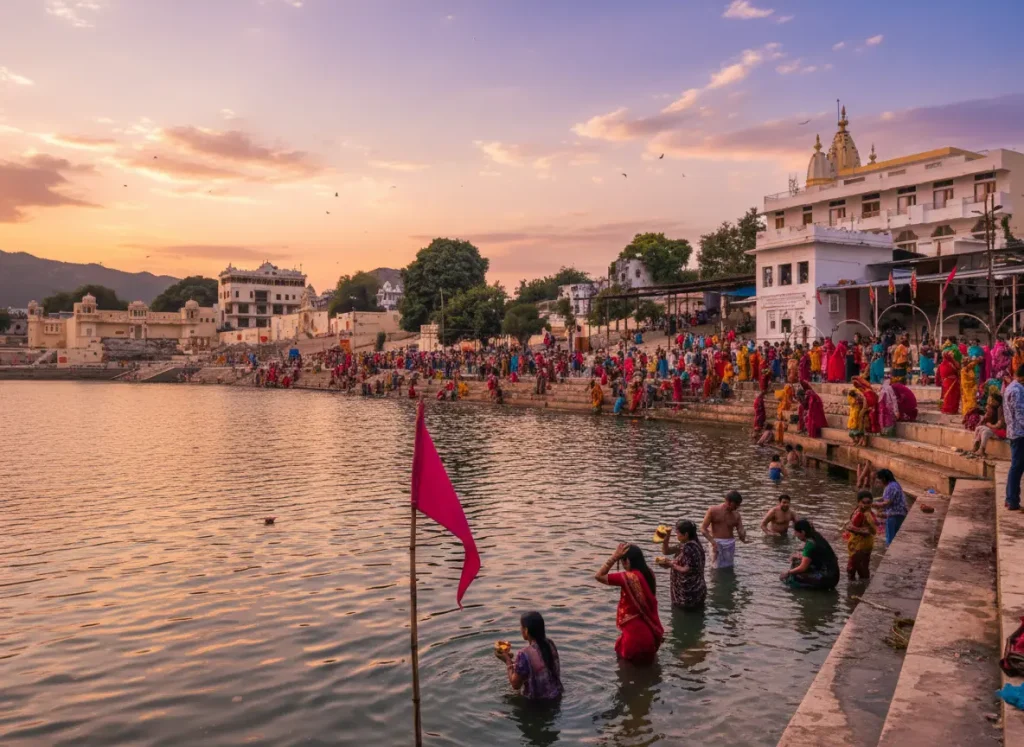
The Pushkar Lake, located just steps away from the temple, is considered one of the holiest lakes in India.
Contains 52 ghats
Bathing in the lake before temple darshan is believed to cleanse sins
Especially sacred during Kartik Purnima
The lake enhances the spiritual atmosphere of the Brahma Temple and is an integral part of the pilgrimage.
Pushkar Camel Fair and Brahma Temple
The world-famous Pushkar Camel Fair coincides with Kartik Purnima, making it one of the most vibrant festivals in Rajasthan.
During this time:
Thousands of pilgrims visit the Brahma Temple
Cultural performances, fairs, and spiritual rituals take place
The town becomes a blend of devotion and celebration
Best Time to Visit Brahma Temple Pushkar
October to March is the Ideal weather for Visting Brahma Temple Pushkar
Most auspicious time to visit Kartik Purnima (October–November)
Avoid Visiting in peak summer Season
Nearby Attractions
While visiting the Brahma Temple, explore:
Savitri Temple – Located on a hill with amazing views
Varaha Temple – Dedicated to Lord Vishnu
Pushkar Bazaar – for handicrafts and souvenirs
Ajmer Sharif Dargah – Major Sufi shrine
Why Brahma Temple Pushkar Is Unique
Only prominent temple dedicated to Lord Brahma
Deep mythological roots
Rare four-faced Brahma idol
Sacred association with Pushkar Lake
Blend of spirituality, history, and culture
The Brahma Temple in Pushkar is not just a place of worship but a living symbol of Hindu cosmology, mythology, and devotion. Its rare dedication to Lord Brahma, sacred rituals, and timeless legends make it a must-visit spiritual destination in India.
Whether you seek divine blessings, historical insight, or spiritual peace, a visit to the Brahma Temple Pushkar offers an unforgettable experience that resonates with faith and tradition.