

Table of Contents
Ashwini Kumaras in Vedic Medicine
In the golden tapestry of ancient Indian mythology, the Ashwini Kumaras in Vedic Medicine shine as radiant twin deities of healing, rejuvenation, and divine medicine. Born of light and speed, they are the first rays of the morning sun, galloping across the sky in a chariot drawn by horses.
Revered as celestial physicians, their presence in the Rigveda and other ancient texts reveals a profound understanding of health, not just of the body, but of the spirit. Their stories offer timeless wisdom about vitality, balance, and the sacred art of healing.
Their role as divine healers is not limited to myth. It reflects a deeper truth about the connection between cosmic forces and human well-being. The Ashwinis are reminders that healing is a divine act, rooted in compassion and clarity.
Origins of the Ashwini Twins
The Ashwini Kumaras are the sons of Surya, the Sun God, and his wife Sanjna. To escape Surya’s intense radiance, Sanjna transformed into a mare and fled. From this union, the twins, Nasatya and Dasra, were born, embodying the speed and brilliance of their divine heritage.
- Their birth is symbolic: a fusion of light and motion, of divine energy and earthly form.
- They are described as eternally youthful, golden in complexion, and swift as thought.
- Their chariot, drawn by horses, races across the heavens, bringing vitality and healing wherever it goes.
- As harbingers of dawn, they represent the transition from darkness to light, from illness to wellness.
- Their emergence each morning is a metaphor for renewal, clarity, and the promise of restoration.
- The twins are also associated with the concept of divine intervention.
- Their sudden appearance in times of crisis reflects the belief that healing can arrive unexpectedly, like the first light of day breaking through the night.
Ashwini Kumaras in the Rigveda
The Rigveda contains over fifty hymns dedicated to the Ashwini Kumaras. These hymns praise their miraculous cures and benevolent interventions, portraying them as compassionate responders to human suffering.
They are invoked to heal the blind, restore youth to the aged, and even resurrect the dead. Their remedies are not just physical; they are spiritual, emotional, and cosmic, addressing the whole being.
One hymn describes how they restored sight to a sage, while another recounts how they rejuvenated an old man named Chyavana, making him young again so he could marry a princess. These stories are metaphors for the healing power of faith, discipline, and divine grace.
The hymns also emphasize the Ashwinis’ accessibility. Unlike distant gods, they are portrayed as approachable and responsive, arriving swiftly when called. This makes them beloved figures in Vedic lore.
Ashwini Kumaras in Vedic Medicine
The Ashwini Kumaras are considered the first practitioners of Ayurveda. Their approach to healing was holistic, addressing the body, mind, and soul with equal reverence.
- They understood the rhythms of nature, the balance of doshas, and the importance of harmony between the individual and the cosmos.
- Their interventions were swift and precise, often described as instantaneous in the texts.
Behind this speed lay deep wisdom. Healing, for them, was not just about removing symptoms, it was about restoring balance, purifying the spirit, and aligning the body with divine order.
Their legacy in Ayurveda continues to influence modern holistic practices.
The emphasis on preventive care, seasonal routines, and mind-body balance echoes the teachings attributed to the Ashwinis.
Symbolism of the Twins
The Ashwini Kumaras symbolize duality and unity. As twins, they represent the balance of opposites, light and dark, motion and stillness, youth and age.
Their presence reminds us that healing often requires both science and spirit, both action and rest. They are also symbols of speed and precision, embodying the urgency and grace of divine intervention.
Their youthfulness is another key symbol. They are eternally young, not because they defy time, but because they embody vitality. Their energy is contagious, their presence invigorating, and their essence timeless.
The twins also reflect the idea of partnership in healing. Just as they work together, healing often involves collaboration between healer and patient, between body and mind, and between tradition and innovation.
Ashwini Kumaras in Vedic Medicine: The Chyavana Episode
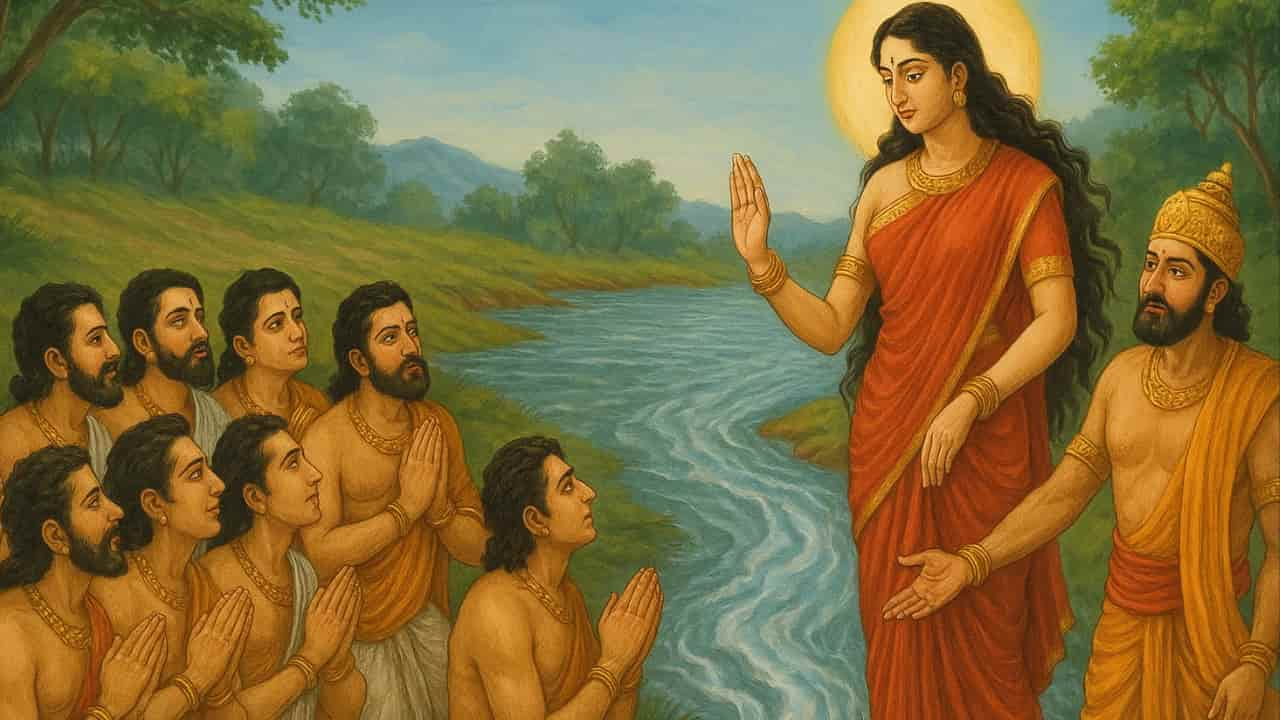
One of the most famous stories involving the Ashwini Kumaras is the rejuvenation of Sage Chyavana. The aged sage wished to marry the young and beautiful Sukanya, but his frail body was a barrier.
The Ashwinis, moved by his devotion, offered him a divine treatment. They took him to a sacred lake, prepared a herbal concoction, and instructed him to immerse himself in its waters.
Emerging from the lake, Chyavana was transformed into a youthful, radiant, and strong figure. This tale is about physical transformation, but also about the power of intention, divine healing, and the grace that follows sincere effort.
The story also highlights the Ashwinis’ role as compassionate beings. They do not discriminate; they heal those who seek with sincerity, regardless of age, status, or condition.
Ashwini Kumaras in Vedic Medicine: Worship and Reverence
Though not worshipped as widely as other deities, the Ashwini Kumaras hold a special place in Vedic rituals. They are invoked during healing ceremonies, Ayurvedic preparations, and dawn prayers.
Their association with the Nakshatra Ashwini makes them astrologically significant, especially in matters of health and vitality. Offerings are made at sunrise, symbolizing the beginning of a new day and the hope of healing.
Their names are chanted in mantras that seek swift recovery, mental clarity, and spiritual rejuvenation. Their presence is subtle but powerful, responding to sincerity and the quiet call of those in need.
In some traditions, the Ashwinis are honored during seasonal transitions, especially spring, when nature itself undergoes renewal. Their energy aligns with the cycles of growth and regeneration.
Ashwini Nakshatra: Ashwini Kumaras in Vedic Medicine
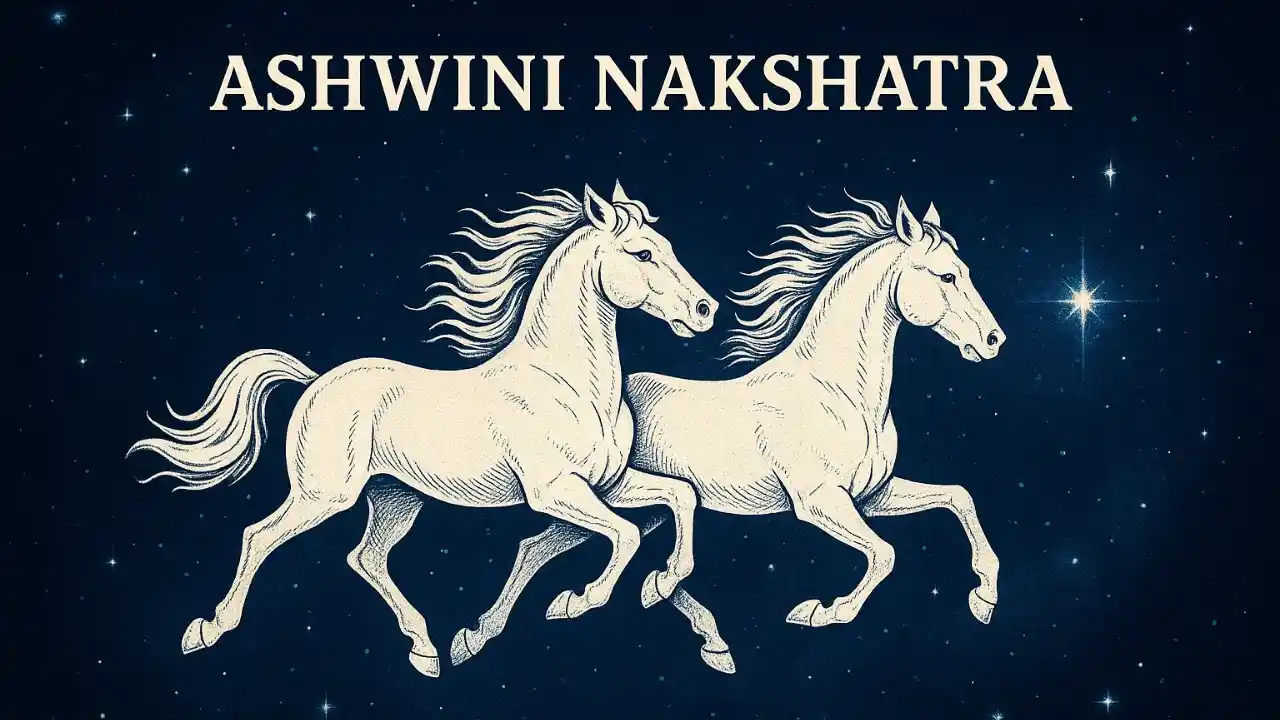
In Vedic astrology, the Ashwini Nakshatra is the first of the 27 lunar mansions. It is ruled by the Ashwini Kumaras and is associated with beginnings, healing, speed, and innovation.
Those born under this star are believed to possess natural healing abilities, quick intellect, and a pioneering spirit. The energy of Ashwini Nakshatra is dynamic and rejuvenating.
It encourages new ventures, fresh perspectives, and bold actions. It is the star of the healer, the inventor, and the seeker of truth, carrying the essence of the Ashwinis, swift, bright, and transformative.
Astrologers often recommend undertaking medical treatments, spiritual initiations, and creative projects during Ashwini periods, harnessing the star’s vibrant energy.
Philosophical Reflections: Ashwini Kumaras in Vedic Medicine
The Ashwini Kumaras teach us that healing is not just a physical process; it is a spiritual journey. Their stories remind us that youthfulness is a state of mind, and vitality comes from alignment with nature.
They embody the principle of service. Despite their divine status, they respond to human suffering with compassion and urgency. Their example inspires healers, caregivers, and all who seek to alleviate pain.
In a world where medicine is often mechanized, the Ashwinis offer a vision of healing that is personal, sacred, and holistic. Their legacy continues to guide those who seek balance and renewal.
Their presence in mythology encourages us to view health as harmony, not just the absence of disease, but the presence of joy, clarity, and purpose.
Ashwini Kumaras in Vedic Medicine: The 2 Divine Twins
The Ashwini Kumaras are more than mythological figures; they are timeless symbols of hope, renewal, and divine care. Their chariot continues to race across the skies of our consciousness, bringing light and healing.
To invoke the Ashwinis is to invite light into darkness, movement into stagnation, and vitality into weariness. They are the divine physicians of the Vedas, the twin flames of rejuvenation, and the eternal promise that no ailment is beyond the reach of grace.
Their stories remind us that healing is always possible, that renewal is always near, and that divine compassion is never far away. In every sunrise, in every act of care, the Ashwinis live on.