
Sikh Festivals as the Communal Grammar
Sikh festivals are not merely days on a calendar but dense social technologies that cultivate memory, mutual aid, martial courage, and egalitarian practice.
From Gurpurab celebrations to Vaisakhi to Hola Mohalla, the festival repertoire teaches Sikhs how to remember their prophets, manage communal kitchens, and express political and spiritual values in public.
The festivals’ hallmark is a practical theology – faith expressed through feeding, shared deliberation, and visible service to others, where ritual and social responsibility are braided so tightly they are often indistinguishable.
Gurpurab: Celebrating the Gurus with Prayer and Procession

Gurpurabs mark the birth or death anniversaries of the Sikh Gurus, most notably Guru Nanak and Guru Gobind Singh, and they are days marked by both solemn remembrance and joyful public celebrations.
These observances center on the Gurdwara:
- Continuous recitation of the Guru Granth Sahib
- Extended kirtan sessions
- Communal reflection of bringing the scripture’s moral and poetic teachings into everyday life
Nagar kirtans (processions through neighborhoods) convert private devotion into visible public ethics – hymns spill onto the streets, volunteers distribute water and sweets, and the entire community is invited to witness and participate in a living lineage.
The atmosphere balances contemplative attention with organized hospitality, making the day a rehearsal of shared values.
Langar: The Egalitarian Kitchen that Sustains Festival Life

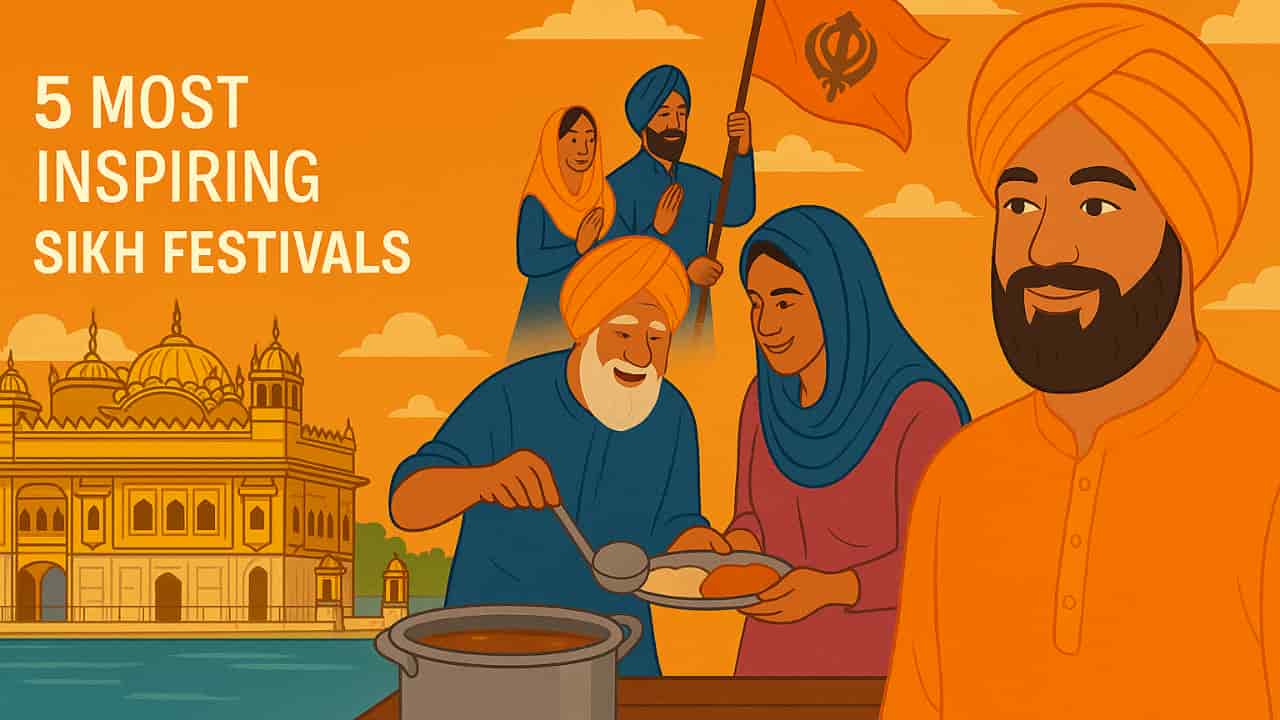
Langar, the free communal kitchen, is the central practical expression of Sikh festival ethics and the institution that most clearly demonstrates belief turned into action.
On festival days, the scale of langar expands dramatically – thousands of meals are prepared, vast cauldrons are tended by volunteer teams, and newcomers are trained to chop, cook, serve, and clean.
Langar enacts radical equality: everyone sits together on the floor and receives the same simple, wholesome food irrespective of background.
The organizational choreography – procurement, hygiene, queue management, and waste handling- teaches volunteers logistics and humility, while the ethic of feeding strangers instills a durable pattern of hospitality.
Langar’s everyday and festival forms together create a social safety net that normalizes service as central to religious life.
Vaisakhi: Harvest, Khalsa, and Public Renewal
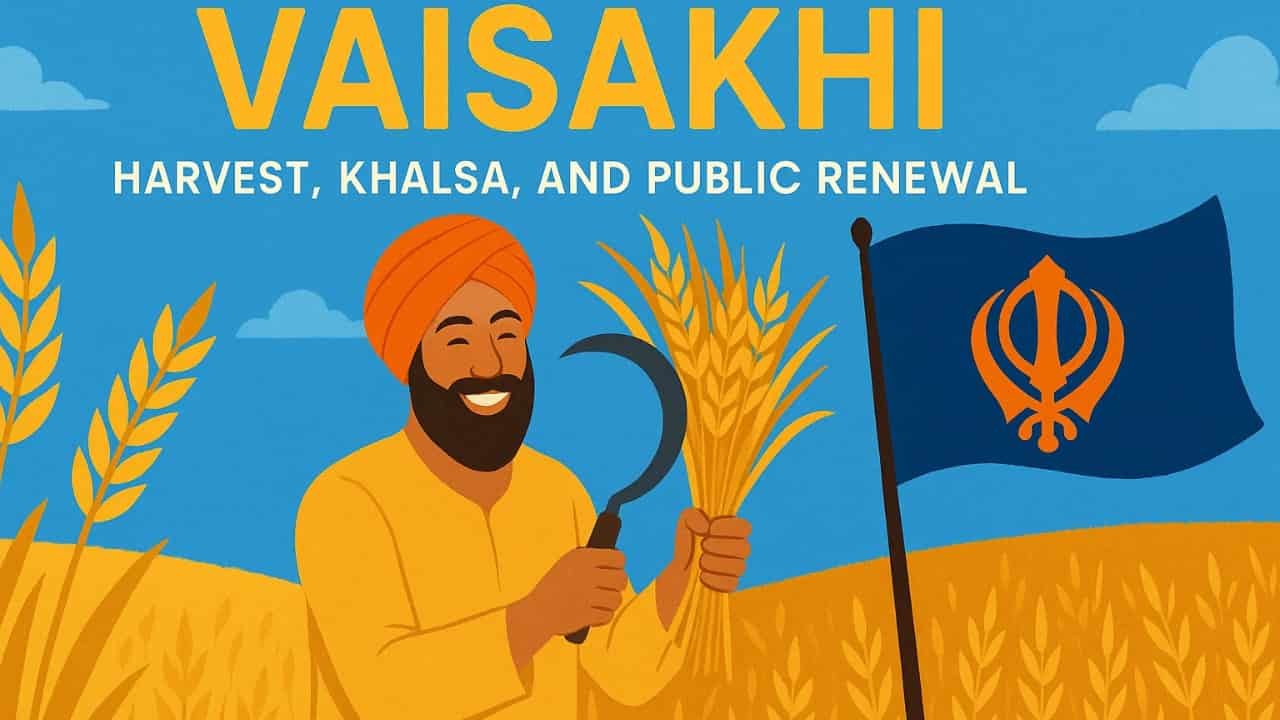
Vaisakhi combines agrarian thanksgiving with a profound institutional renewal: it is both the harvest festival and the anniversary of the Khalsa’s founding under Guru Gobind Singh in 1699.
The day’s public parades celebrate abundance and ethical recommitment:
- Farmers give thanks
- Youth display martial training
- Communities gather to renew vows of courage and equality
Vaisakhi’s dual quality, sacred and civic, makes it a moment when personal gratitude and public responsibility meet. Rituals of prayer are followed by collective vows and social projects, reinforcing that spiritual renewal has tangible social consequences.
Hola Mohalla: Martial Devotion and Performative Courage
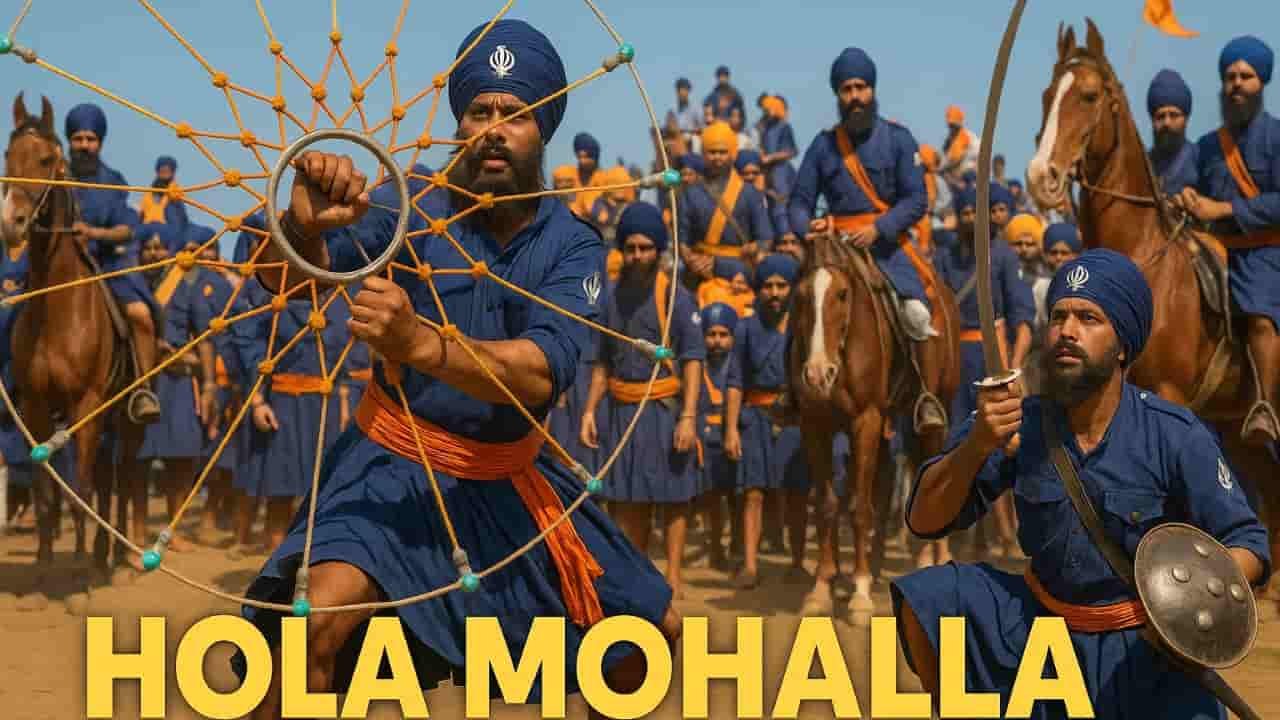
Instituted by Guru Gobind Singh, Hola Mohalla channels festive zeal into martial discipline.
Where Holi permits playful transgression, Hola Mohalla institutionalizes a different kind of public exuberance through:
- Mock battles
- Displays of horsemanship
- Demonstrations of gatka (traditional martial arts)
The festival trains communities in disciplined courage and organized self-defense. It is as much a public demonstration of readiness to protect the vulnerable as it is a cultural spectacle.
Importantly, this martial showmanship is embedded in ritual ethics, courage is celebrated not for violence’s sake but as a public service and defense of just order.
Bandi Chhor Divas: Liberation and Civic Symbolism
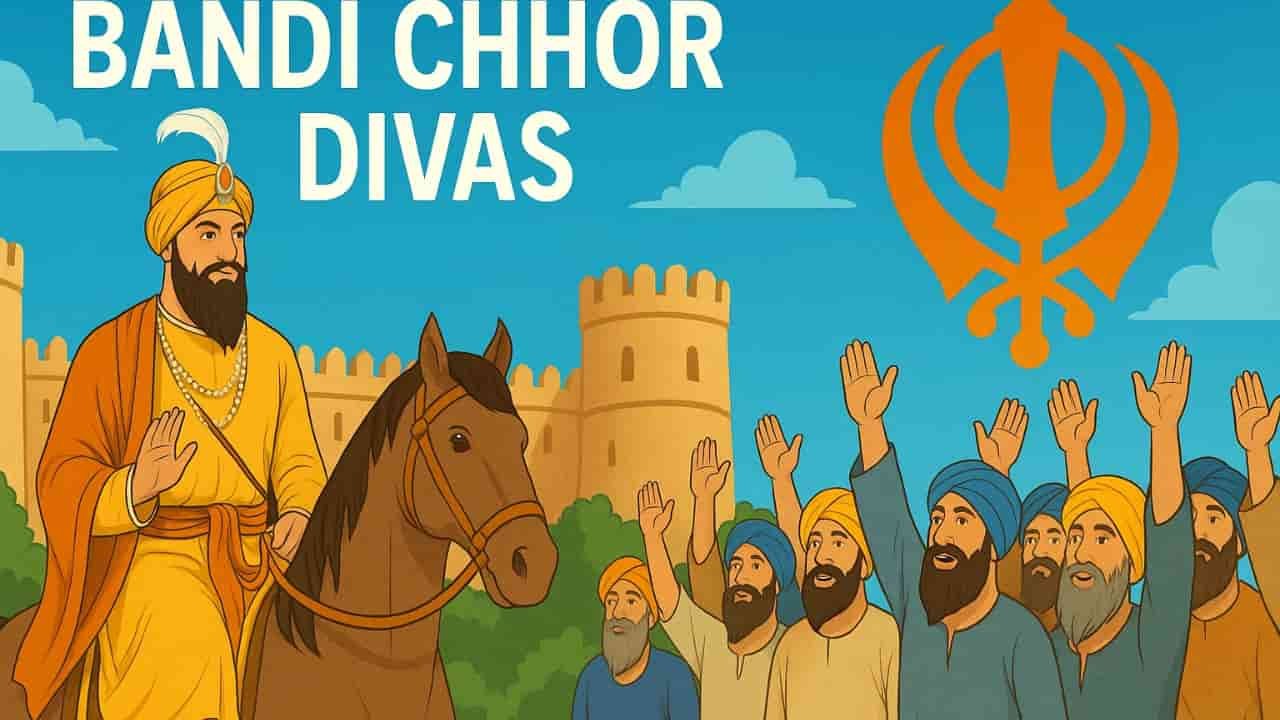
Bandi Chhor Divas commemorates the release of Guru Hargobind from imprisonment along with other captive leaders, emphasizing the moral duty to confront injustice and work for collective freedom.
Celebrated around the time of Diwali, the day draws attention to liberation as a communal project: processions, temple illuminations, and charitable acts echo the historical rescue.
The festival’s civic symbolism, freeing the captive, protecting the weak, translates readily into modern action, inspiring:
- Charity
- Prisoner reform advocacy
- Public awareness campaigns linking ritual memory with ongoing social justice work
The Role of Music and Kirtan: Song as Communal Memory
Kirtan, the singing of hymns from the Guru Granth Sahib, is the emotional and pedagogical center of Sikh festivals.
Music here is not mere ornament but a medium for transmitting moral attention and historical narratives. Festival kirtans can last hours, drawing the congregation into sustained reflection.
The melodic forms, rhythmic cycles, and poetic verses lodge ethical aphorisms into hearts and bodies.
Kirtan sessions also function as communal therapy; they bind participants emotionally, create a shared vocabulary of hope and service, and offer a repetitive, embodied form of teaching accessible across ages and literacies.
Processions and Visibility: Public Space as Moral Theater
Nagar kirtans and other processions move religious practice into civic streets, insisting that spiritual claims have public consequences.
These processions model civic coordination through:
Volunteer marshals
Partnerships with police and sanitation crews
Multilingual outreach teams
By bringing worship into shared spaces, festivals assert values of equality and service in plain sight, making moral claims part of everyday urban life and inviting bystanders to witness or participate.
Langar as Social Welfare: Challenging Caste and Poverty
Beyond symbolism, langar produces concrete redistribution. During festivals, extensive food provision:
- Helps the hungry and fragile
- Supplement local food banks
- Provides hygienic meals to refugees and the homeless
By institutionalizing free communal feeding at scale, Sikh festivals challenge hierarchies and send a lived message about dignity: everyone is worthy of nourishment.
Over centuries, this logistical competence has made langar a robust model for humanitarian responses during crises, showing how ritual practice can become a practical welfare infrastructure.
Martyrdom and Moral Imagination: Stories That Shape Festival Ethos
Stories of sacrifice, from Guru Arjan’s martyrdom to later persecutions, infuse festival rhetoric with solemn ethical seriousness.
Remembering martyrs acts as civic pedagogy: festivals teach that moral courage sometimes demands sacrifice, and that communities must be willing to bear costs to protect justice.
These narratives are not romanticized heroics but instructive lessons that keep memories of past struggles alive as civic and moral guidance.
Women's Roles and Inclusion: Practice and Progress
Sikh scripture declares equality, and festivals often manifest that ideal:
- Women lead kirtan
- Organize langar kitchens
- Serve on committees
- Participate in martial training
Festivals thus become laboratories for inclusion, where women’s organizational labor and leadership are visible.
Despite progress, debates persist about the gap between scriptural equality and social practice. Festivals provide opportunities to close that gap through:
- Women-led processions
- Mixed-gender committees
- Leadership training programs
These help translate theological claims into lived equality.
Diaspora Practices: Festival as an Identity Anchor Abroad
In diaspora settings, Sikh festivals act as identity engines.
Gurdwaras host large Vaisakhi parades and Gurpurab programs that educate younger generations. Langars welcome neighbors of all faiths, and community centers broadcast cultural content to preserve traditions.
Diaspora festivals often adapt to local logistics,
- Securing park permits
- Working with municipal authorities
- Translating hymns into local languages
Despite adaptations, they preserve the core practices of feeding, singing, and sharing, making festivals tools for cultural transmission and intercultural bridge-building.
Festivals also create seasonal labor markets; printers, caterers, decorators, musicians, and seamstresses find income opportunities tied to festival cycles.
Simultaneously, volunteerism scales dramatically as community members organize transport, crowd control, and hospitality.
The festivals’ economic and social footprint makes them vital engines of local resilience, sustaining livelihoods while building networks of reciprocal care.
Sikh Festivals: Lived Theologies of Equality and Service
Sikh festivals are lived theologies. They teach how to love one’s neighbour through feeding, how to sustain courage through remembrance, and how to make equality a daily habit.