

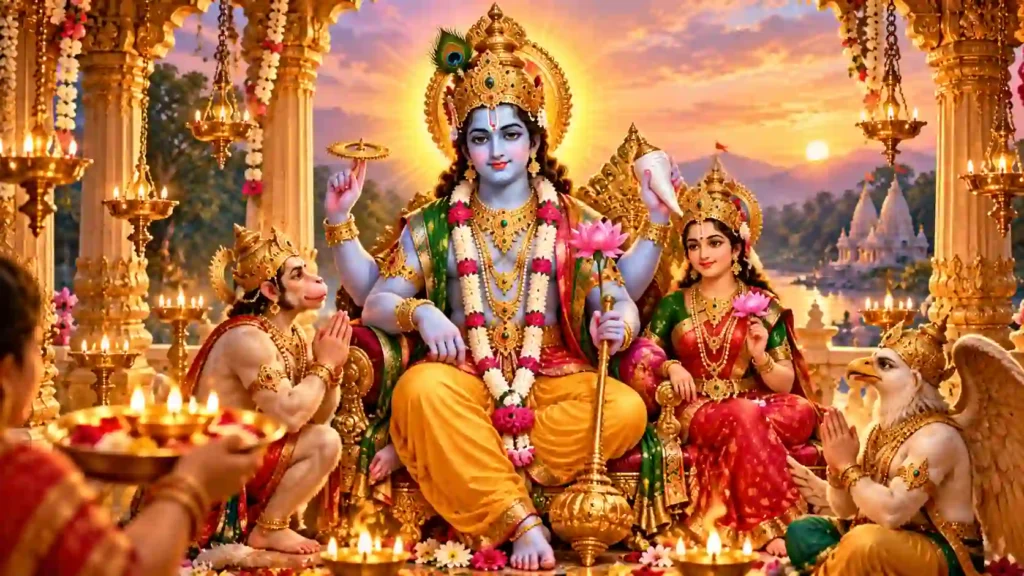
ॐ जय जगदीश हरे
ॐ जय जगदीश हरे, स्वामी जय जगदीश हरे।
भक्त जनों के संकट, दास जनों के संकट क्षण में दूर करे॥
जो ध्यावे फल पावे, दुःख बिनसे मन का। स्वामी दुःख बिनसे मन का।
सुख सम्पत्ति घर आवे, कष्ट मिटे तन का॥ ॐ जय जगदीश हरे॥
मात-पिता तुम मेरे, शरण गहूं मैं किसकी। स्वामी शरण गहूं मैं किसकी।
तुम बिन और न दूजा, आस करूं जिसकी॥ ॐ जय जगदीश हरे॥
तुम पूरन परमात्मा, तुम अंतर्यामी। स्वामी तुम अंतर्यामी।
पारब्रह्म परमेश्वर, तुम सबके स्वामी॥ ॐ जय जगदीश हरे॥
तुम करुणा के सागर, तुम पालनकर्ता। स्वामी तुम पालनकर्ता।
मैं मूरख खल कामी, कृपा करो भर्ता॥ ॐ जय जगदीश हरे॥
तुम हो एक अगोचर, सबके प्राणपति। स्वामी सबके प्राणपति।
किस विधि मिलूं दयामय, तुमको मैं कुमति॥ ॐ जय जगदीश हरे॥
दीनबंधु दुखहर्ता, तुम ठाकुर मेरे। स्वामी तुम ठाकुर मेरे।
अपने हाथ उठाओ, द्वार पड़ा तेरे॥ ॐ जय जगदीश हरे॥
विषय विकार मिटाओ, पाप हरो देवा। स्वामी पाप हरो देवा।
श्रद्धा भक्ति बढ़ाओ, संतन की सेवा॥ ॐ जय जगदीश हरे॥
श्री जगदीश जी की आरती जो कोई नर गावे। स्वामी जो कोई नर गावे।
कहत शिवानंद स्वामी, मनवांछित फल पावे॥ ॐ जय जगदीश हरे॥
You Can Also Read
- Related Chalisa
- Related Mantras
- 108 Names
- Sahasranama
Hindi Translation
यह आरती भगवान विष्णु/जगदीश के प्रति समर्पण की सार्वभौमिक आरती है। इसमें भक्त भगवान से अपने कष्ट और पाप दूर करने, सुख-सम्पत्ति देने और अपनी शरण में लेने की प्रार्थना करता है। भगवान को सृष्टि का पालनहार, करुणा का सागर और सबका अंतर्यामी बताया गया है।
English Translation
This universal aarti glorifies Lord Jagdish (Vishnu) as the remover of devotees’ sorrows and sustainer of the universe. The devotee prays that the Lord — the ocean of compassion and inner witness of all beings — removes worldly afflictions, grants happiness and prosperity, and blesses whoever sings this aarti with the fulfilment of their heartfelt wishes.
Significance
How to Chant?
Light a diya (lamp) or camphor on a plate, stand facing the deity, and sing the aarti while gently moving the lit plate in a circular motion in front of the murti/image. Family members usually join in chorus, and the plate is passed around so everyone can take aarti by passing their hands over the flame and touching them to their eyes/forehead.
Number of Repetitions
Sung once, usually at the end of daily puja or on any auspicious occasion; devotees may repeat it during major festivals or Satyanarayan Katha.
Best Time to Chant
Traditionally sung during the morning and evening aarti (sandhya aarti), and at the conclusion of any puja, havan, or festival celebration.
Benefits of Aartis
- Brings peace, positivity, and spiritual energy
- Helps strengthen devotion and faith in God
- Creates a peaceful atmosphere at home and temples
- Traditionally performed during daily worship and festivals