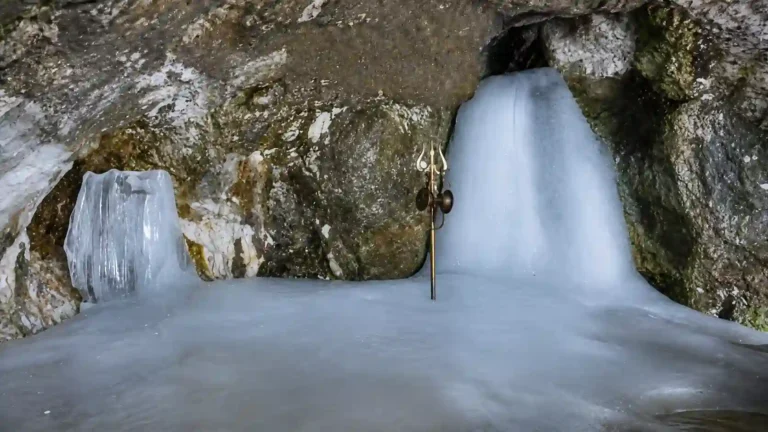

Mahakaleshwar Temple
Ujjain city, on the banks of the Shipra River, Madhya Pradesh
One of the 12 Jyotirlingas of Lord Shiva and one of the Char Dham pilgrimage sites, nestled in the lap of the Himalayas at an altitude of 3,583 meters.
Location
Ujjain city, on the banks of the Shipra River, Madhya Pradesh
Full Address
Shri Mahakaleshwar Temple, Jaisinghpura, near Mahakal Chowk, Ujjain, Madhya Pradesh – 456006, India
Latitude
23.183°N
Longitude
75.768°E
Built By/ Era
Ancient shrine referenced in the Skanda Purana and Puranic literature; destroyed during Sultan Shams-ud-Din Iltutmish's raid in 1234–35 CE, and rebuilt in its present form in 1734 CE by the Maratha general Ranoji Shinde
Elevation
Approximately 494 metres (about 1,621 feet) above sea level
Associated Deity
Lord Shiva (Jyotirlinga)
Opening Time
4:00 am
Closing Time
11:00 pm
Timing Notes
Open through the day without a full afternoon closure, though darshan pauses briefly around the Bhog Aarti (roughly 10:30–11:15 AM) and Sandhya Aarti (roughly 7:00–7:45 PM)
Overview
In the heart of Ujjain, one of Hinduism’s seven sacred cities (Sapta Puri), stands a temple that governs something no other shrine claims to hold sway over: time itself. Mahakaleshwar — “the Great Lord of Time” — is one of the twelve Jyotirlingas of Shiva, and uniquely among them, its linga is Swayambhu, believed to be self-manifested rather than ritually installed, drawing its spiritual power from within rather than through consecration.
What sets Mahakaleshwar apart from the other eleven Jyotirlingas isn’t just its scriptural stature but its orientation and its rituals. The lingam here faces south — the only one of the twelve to do so — a direction long associated in Hindu cosmology with Yama, lord of death, making this temple a rare and potent site for confronting mortality and time head-on rather than avoiding it.
Then there’s the Bhasma Aarti, performed in the very early hours of the morning, where the deity is anointed with sacred ash — a ritual so distinctive that pilgrims travel from across the world and plan their entire Ujjain visit around securing a spot for it. Around the temple, the recently developed Mahakal Lok corridor has added a new, sprawling dimension to the pilgrimage experience, with towering sculptures depicting scenes from Shiva’s mythology lining the approach to the sanctum.
The Bhasma Aarti — where the Jyotirlinga is anointed with sacred ash — is one of Mahakaleshwar’s most distinctive rituals and can only be witnessed by devotees with a confirmed advance booking, usually made through the official temple portal.
Mahakaleshwar is the only one of the twelve Jyotirlingas whose linga faces south, a direction traditionally associated with Yama, the god of death, giving the temple deep symbolic significance around time and mortality.
Photography is not permitted inside the sanctum or the Bhasma Aarti hall.
Dress codes apply for the Bhasma Aarti and certain rituals; simple traditional attire is recommended, and inappropriate clothing may lead to denial of entry at some gates.
Crowds swell dramatically during Shravan month, Mahashivratri, and the Simhastha Kumbh Mela (held roughly every 12 years in Ujjain), so plan bookings and travel well in advance during these periods.
The 900-metre Mahakal Lok corridor around the temple stays open later than the inner sanctum and is worth visiting in the evening for its illuminated sculptures and atmosphere.
⛰ 12 Jyotirlingas
🕉 Char Dham
✨ Sacred Place
History
Mahakaleshwar’s roots stretch back to some of the earliest layers of Hindu scripture, with references in the Skanda Purana describing Ujjain — then known as Avantika — as one of the seven cities capable of granting liberation (moksha), largely because of this very temple. Legend holds that the temple’s south-facing form and its association with time itself trace to an old cosmic dispute between Brahma and Vishnu over supremacy, resolved when Shiva manifested as an infinite column of light — a Jyotirlinga — at twelve places across India, of which Mahakaleshwar was one.
The temple’s medieval history, however, was turbulent. In 1234–35 CE, Sultan Shams-ud-Din Iltutmish led a raid on Ujjain that resulted in the destruction of the temple complex. According to historical accounts, the original Jyotirlinga was dismantled during the attack and is believed to have been thrown into the nearby Kotiteerth Kunda, a sacred pond adjoining the temple, to protect it from further desecration. The temple faced further disruption from subsequent invasions in the centuries that followed.
Worship at the site was eventually restored, but the temple pilgrims visit today owes its present structure to the 18th century. In 1734 CE, Ranoji Shinde, a general serving under the Maratha Peshwa Bajirao I, undertook the reconstruction of Mahakaleshwar, reinstating active worship at the site. Successive generations of the Shinde (Scindia) dynasty — including Mahadji Shinde and later Baiza Bai, wife of Daulat Rao Shinde — continued to expand and maintain the temple through the 18th and 19th centuries, cementing Mahakaleshwar’s place as one of the great living Shiva shrines of India, still governed today by the Mahakaleshwar Mandir Samiti.
Temple Timings
Opening Time
4:00 am
Closing Time
11:00 pm
Aarti Timings
Morning Aarti
6:00 am
Evening Aarti
11:00 pm
Timing Notes
How to Reach
By Air: The nearest airport is Devi Ahilyabai Holkar Airport in Indore, roughly 55–65 km from Ujjain, with regular domestic flights connecting to major Indian cities. Taxis and buses run from the airport to Ujjain in under two hours.
By Train: Ujjain Junction is a major railway station well connected to Delhi, Mumbai, Indore, Bhopal, and other key cities across India, making rail the most convenient way to reach the temple. The station is only a short auto or taxi ride from the temple itself.
By Road: Ujjain sits on well-maintained highways connecting it to Indore (about 55 km), Bhopal, and other Madhya Pradesh cities. State transport buses and private taxis run frequently, and the drive from Indore typically takes just over an hour.
Within Ujjain, the temple is centrally located near Mahakal Chowk, and autos, e-rickshaws, or a short walk from most hotels in the old city area will get you there comfortably.
Nearby Places
Frequently Asked Questions
Kedarnath Temple is famous as one of the 12 Jyotirlingas and part of the Char Dham pilgrimage.
It is believed to have been built by the Pandavas and later reconstructed by Adi Shankaracharya.
The temple closes due to heavy snowfall making the region inaccessible; the deity is moved to Ukhimath.
The temple is open from May to October, with pleasant weather during these months.
Via road to Gaurikund, followed by a 16 km trek, or by helicopter services available seasonally.
You Might Also Like -
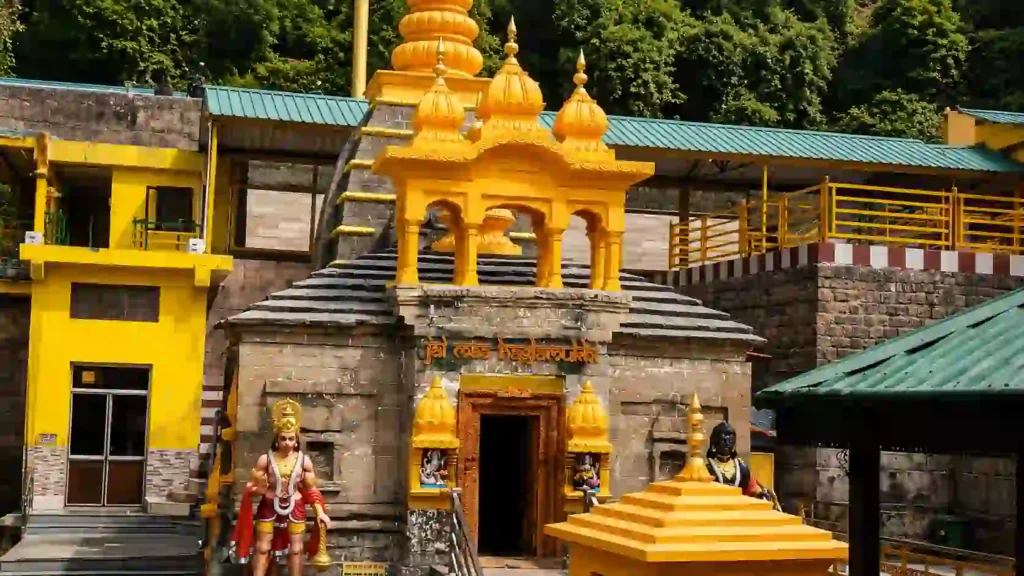
Maa Baglamukhi Temple
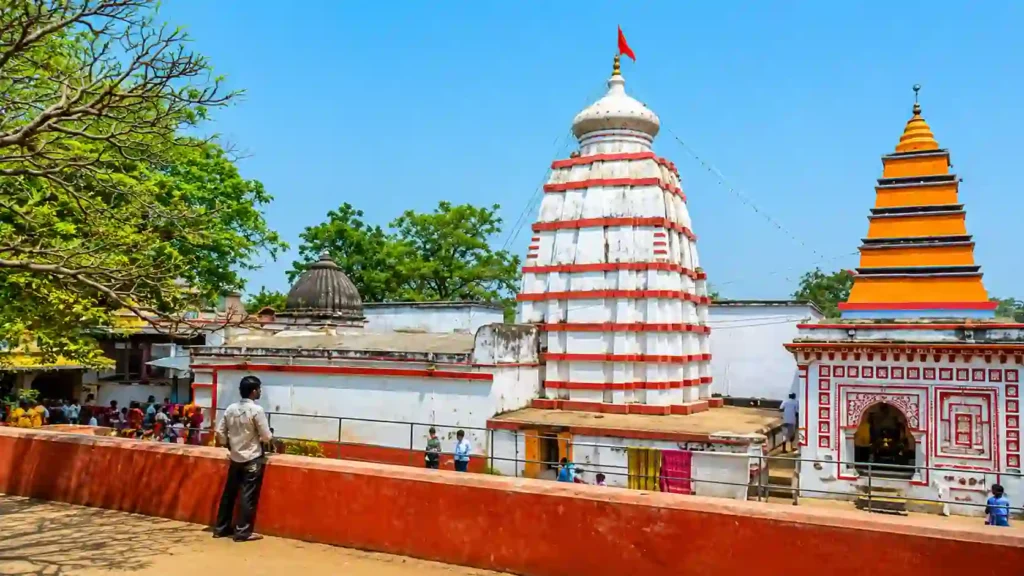
Bakreshwar Temple
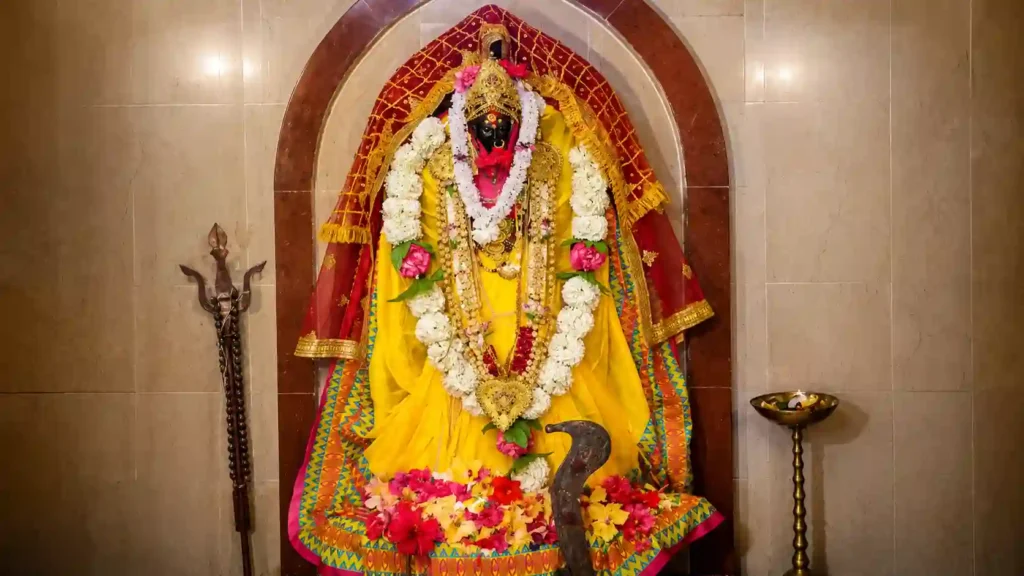
Bahula Devi Temple (Shakti Peeth)
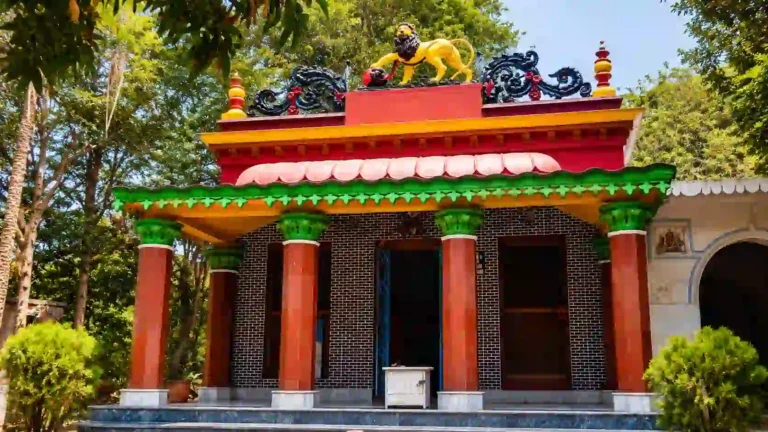
Attahas Temple (Phullara Shakti Peeth), Birbhum