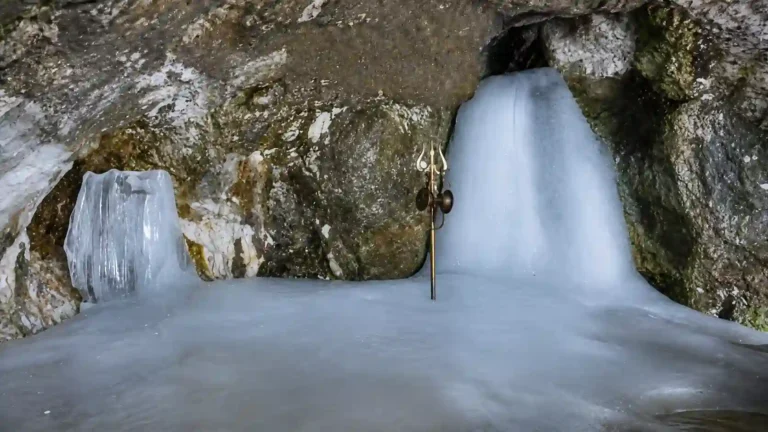

Vaidyanath Temple
Deoghar, Jharkhand
One of the 12 Jyotirlingas of Lord Shiva and one of the Char Dham pilgrimage sites, nestled in the lap of the Himalayas at an altitude of 3,583 meters.
Location
Deoghar, Jharkhand
Full Address
Baba Baidyanath Dham, Bam Bam Baba Brahmachari Path, Shivganga Muhalla, Deoghar, Jharkhand – 814112
Latitude
24.49°N (approx. 24°29'33"N)
Longitude
86.70°E (approx. 86°42'00"E)
Built By/ Era
Historical prominence traced to at least the 8th century AD under Gupta emperor Adityasena; the present structure and its gold-vessel crown were later patronized by regional rulers, including the Maharaja of Gidhaur
Elevation
Roughly 250 m (820 ft) above sea level
Associated Deity
Lord Shiva (Jyotirlinga)
Opening Time
4:00 am
Closing Time
9:00 pm
Timing Notes
The temple runs two darshan windows daily — roughly 4:00/5:00 AM to 2:00/3:30 PM, then reopens around 6:00 PM to 9:00 PM, with an afternoon closure for cleaning and preparation. Timings extend significantly during Shravani Mela (July–August) and Mahashivratri, so it's best to confirm current hours with the temple office before traveling.
Overview
Baba Baidyanath Dham is far more than a single shrine — it’s a complex of 22 temples, with the main sanctum devoted to Vaidyanath at its center. Architecturally, the temple follows the Nagara style, rising about 72 feet in an east-facing structure that’s often described as resembling a blooming lotus, a symbol of purity. Crowning the spire are three ascending gold vessels donated by the Maharaja of Gidhaur, joined by a trident-shaped Panchsula emblem representing Shiva’s power, along with the eight-petaled Chandrakanta Mani jewel.
Inside the sanctum, the Jyotirlinga itself is modest in scale — roughly five inches in diameter — set into a large basalt slab, a detail that stands in quiet contrast to the temple’s towering exterior and its outsized spiritual significance. A short distance away, connected to the main shrine by sacred threads, stands a temple to Parvati, reflecting the site’s dual role as both Jyotirlinga and Shakti Peetha; tradition holds that this is where Devi Sati’s heart fell, giving the complex its other name, Hriday Peetha (“heart seat”).
The temple’s most striking annual event is the Shravani Mela, held during the monsoon month of Shravan (July–August), when millions of devotees known as Kanwariyas walk roughly 105 km from Sultanganj carrying holy water from the Ganga to offer at the Jyotirlinga — one of the largest sustained pilgrimages anywhere in India.
⛰ 12 Jyotirlingas
🕉 Char Dham
✨ Sacred Place
History
The temple’s founding legend centers on Ravana, the demon king of Lanka, who is said to have performed intense penance in the Himalayas to please Lord Shiva, offering nine of his own heads in sacrifice. As he prepared to offer his tenth, Shiva appeared, moved by his devotion, and granted him a boon: the Atma Linga, a portable form of himself. Shiva warned Ravana never to set the linga down before reaching Lanka, or it would root itself permanently at that spot. Through divine intervention — the gods, wary of Ravana gaining such power, arranged for him to be tricked into setting the linga down at Deoghar — the Jyotirlinga came to rest there instead, and Shiva is said to have healed Ravana’s wounds afterward, earning him the name Vaidyanath, the Lord of Physicians.
Historically, the temple’s prominence is documented from at least the 8th century AD, during the reign of the Gupta emperor Adityasena, making it one of the older continuously worshipped Jyotirlinga sites in India. Records also note a visit by the Mughal emperor Akbar in the 16th century, reflecting the temple’s standing across shifting political eras. Over the centuries, the site drew patronage from regional rulers, including the Maharaja of Gidhaur, whose gold vessel donations still crown the temple spire today. The temple gained further prominence during British colonial rule, when pilgrimages to Deoghar were documented in growing numbers, and the Shravani Mela expanded into the mass pilgrimage it is today. In more recent times, a formal temple trust — the Baba Baidyanath Temple Management Board — was established to manage daily operations, pilgrim facilities, and charitable activities at the site.
Temple Timings
Opening Time
4:00 am
Closing Time
9:00 pm
Aarti Timings
Morning Aarti
4:00 am
Evening Aarti
8:00 pm
Timing Notes
How to Reach
By Air: Deoghar Airport (DGH) is the nearest airport, just a short 15–30 minute drive from the temple, with select domestic flights connecting to major Indian cities — particularly convenient during festival months, though it’s worth booking early as flights fill up quickly around Shravan and Mahashivratri.
By Rail: Baidyanathdham Railway Station is the most direct rail link, sitting just a few kilometers from the temple on a branch line connected to Jasidih Junction, which in turn has strong connectivity to Kolkata, Delhi, Patna, and other major cities across eastern India.
By Road: Deoghar is well connected by state and national highways to Ranchi, Patna, and Kolkata. Regular buses and taxis operate from nearby towns, and once in Deoghar, the temple is centrally located and easily reached by cycle-rickshaw, auto, or on foot from most parts of the town.
Local Tip: During Shravani Mela and Mahashivratri, road and rail access into Deoghar gets extremely congested, with lakhs of pilgrims arriving on foot from Sultanganj. If you’re visiting outside these peak periods, travel is considerably smoother — but if peak season is exactly what you’re after, plan for significant crowd management and extra travel time.
Nearby Places
Frequently Asked Questions
Kedarnath Temple is famous as one of the 12 Jyotirlingas and part of the Char Dham pilgrimage.
It is believed to have been built by the Pandavas and later reconstructed by Adi Shankaracharya.
The temple closes due to heavy snowfall making the region inaccessible; the deity is moved to Ukhimath.
The temple is open from May to October, with pleasant weather during these months.
Via road to Gaurikund, followed by a 16 km trek, or by helicopter services available seasonally.
You Might Also Like -
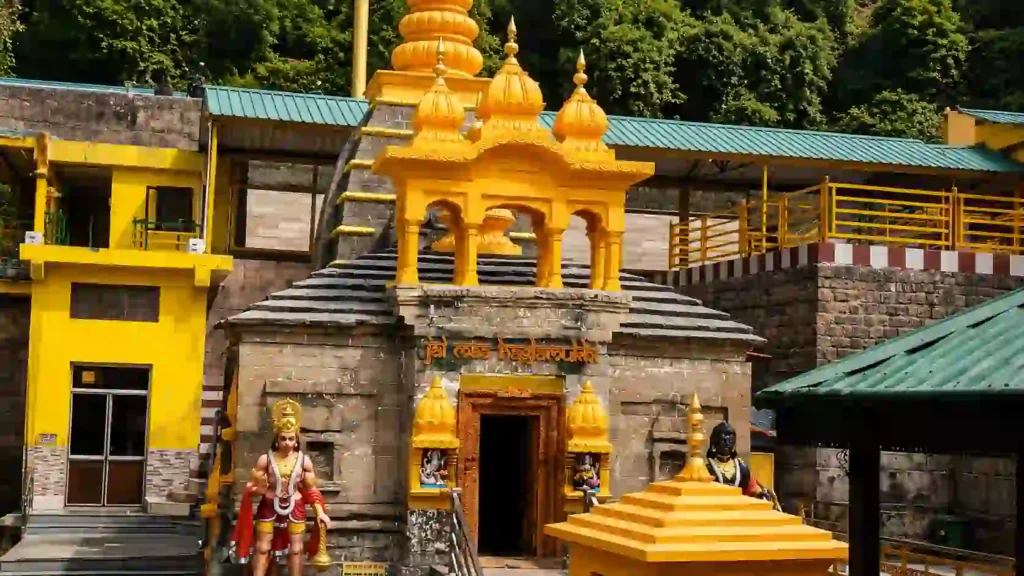
Maa Baglamukhi Temple
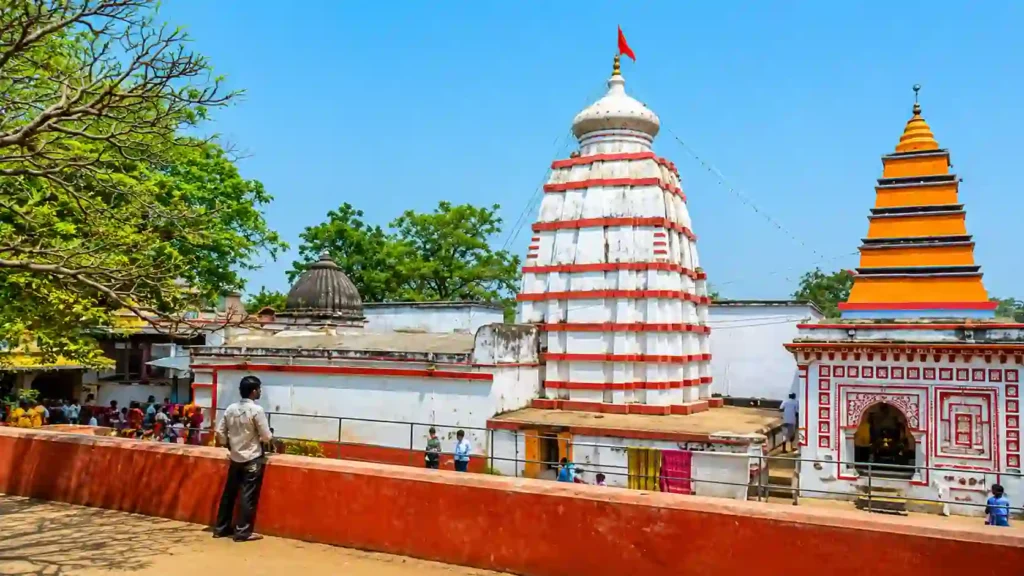
Bakreshwar Temple
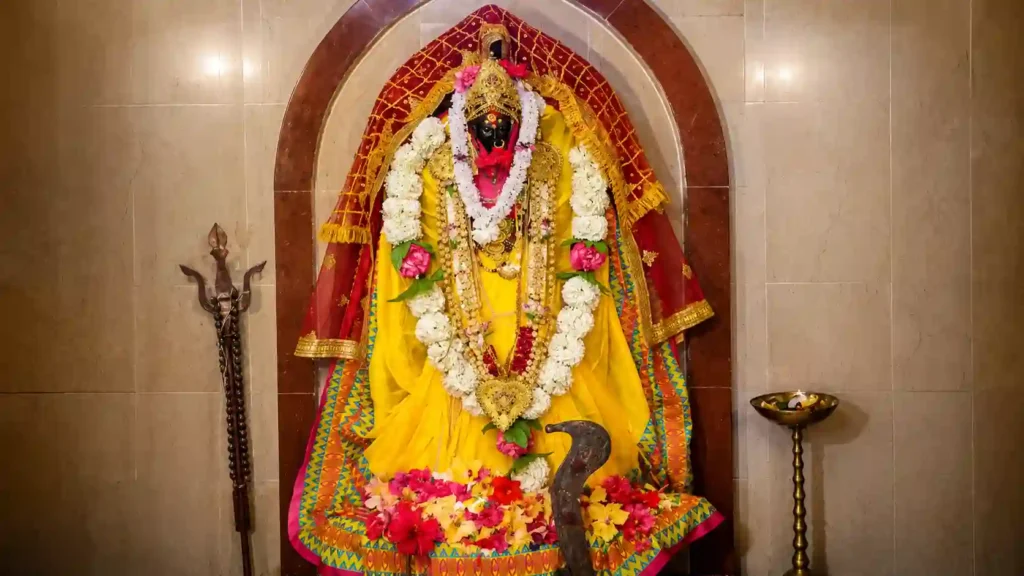
Bahula Devi Temple (Shakti Peeth)
Attahas Temple (Phullara Shakti Peeth), Birbhum