

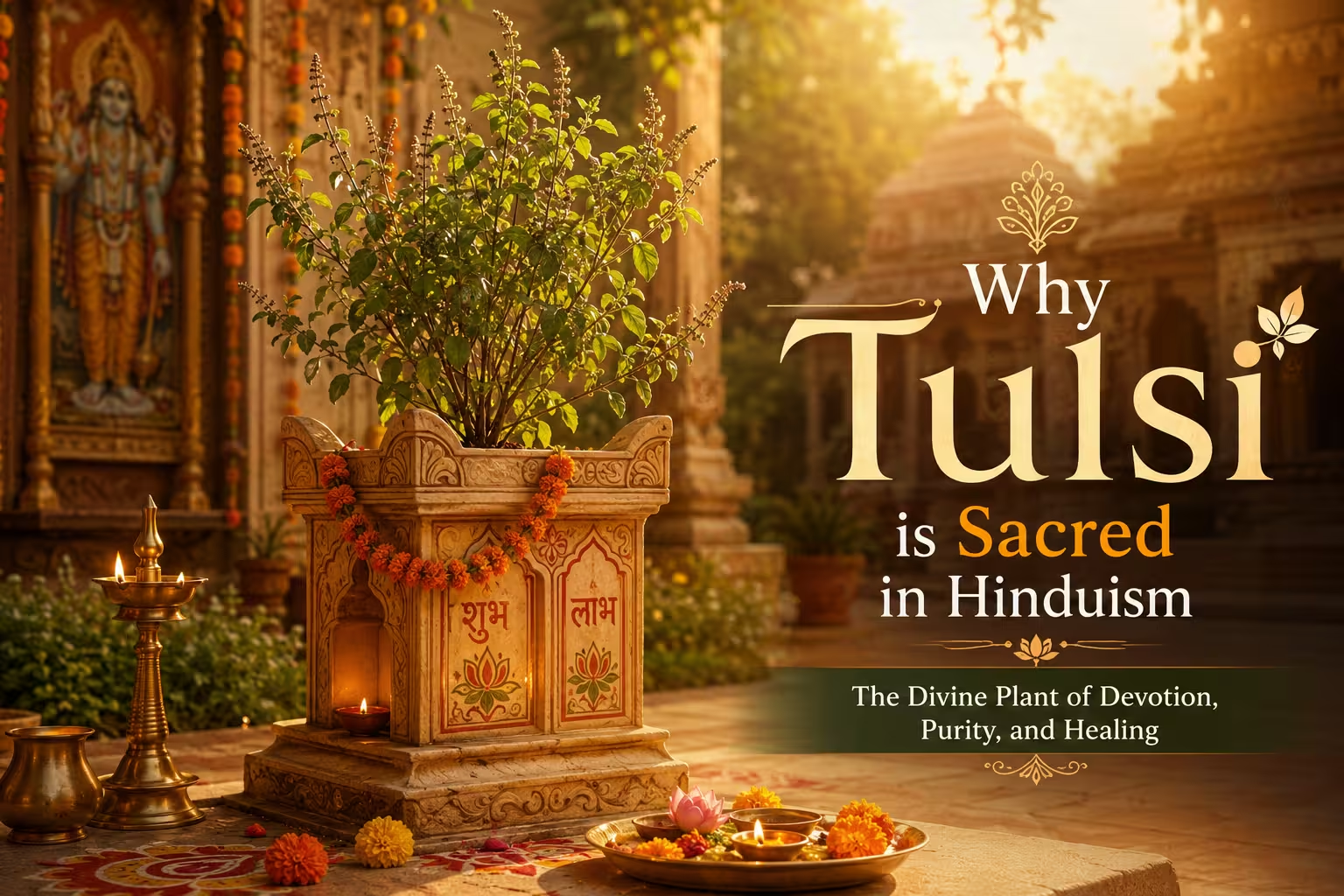
Among all plants revered in Hinduism, Tulsi (Holy Basil) holds a unique and exalted position. Found in millions of Hindu households, Tulsi is not merely a medicinal herb but a symbol of purity, devotion, and divine blessings. Hindus worship Tulsi as a goddess and believe that her presence brings prosperity, health, and spiritual upliftment.
From ancient scriptures and Puranic stories to daily religious rituals, Tulsi occupies a central place in Hindu culture. The sacred plant is associated with Lord Vishnu and is considered an earthly manifestation of Goddess Lakshmi. This deep spiritual connection has made Tulsi one of the most beloved and worshipped plants in Hinduism.
In this article, we explore why Tulsi is sacred in Hinduism, its mythological significance, spiritual importance, medicinal benefits, and the role it plays in Hindu traditions.
What is Tulsi?
Tulsi, scientifically known as Ocimum tenuiflorum or Holy Basil, is an aromatic medicinal plant native to the Indian subcontinent. There are several varieties of Tulsi, including:
- Rama Tulsi (Green Tulsi)
- Krishna Tulsi (Purple Tulsi)
- Vana Tulsi (Wild Tulsi)
In Hinduism, Tulsi is regarded as a living goddess rather than just a plant. It is often planted in a special structure called a Tulsi Vrindavan in courtyards and temples.
The Mythological Origin of Tulsi
The sacredness of Tulsi is deeply rooted in Hindu mythology.
The Story of Goddess Vrinda
According to the Padma Purana and Skanda Purana, Tulsi was originally Goddess Vrinda, a devoted wife of the demon king Jalandhara.
Jalandhara became invincible because of Vrinda’s unwavering devotion and chastity. Even the gods found it impossible to defeat him. To restore cosmic balance, Lord Vishnu took the form of Jalandhara and appeared before Vrinda.
Believing him to be her husband, Vrinda’s chastity was unintentionally broken. As a result, Jalandhara lost his protective power and was defeated by Lord Shiva.
When Vrinda discovered the truth, she cursed Lord Vishnu to become a stone, which later manifested as the sacred Shaligram. Filled with remorse, Lord Vishnu blessed Vrinda and transformed her into the Tulsi plant, declaring that she would forever be worshipped and cherished by his devotees.
Since then, Tulsi has become inseparable from the worship of Lord Vishnu.
Tulsi as the Beloved of Lord Vishnu
One of the primary reasons Tulsi is sacred is her special relationship with Lord Vishnu.
Hindu scriptures state that:
“The worship of Lord Vishnu remains incomplete without Tulsi leaves.”.
Tulsi leaves are offered during the worship of:
Lord Vishnu
Lord Krishna
Lord Rama
Shaligram
Devotees believe that offering even a single Tulsi leaf with sincere devotion pleases Lord Vishnu more than costly offerings.
This sacred connection elevates Tulsi from a medicinal herb to a divine symbol of devotion.

Tulsi as an Incarnation of Goddess Lakshmi
Many Hindu traditions identify Tulsi as an incarnation of Goddess Lakshmi, the goddess of wealth, fortune, and prosperity.
Just as Lakshmi resides in places of cleanliness and righteousness, Tulsi is believed to bring:
- Prosperity
- Harmony
- Positive energy
- Spiritual blessings
This belief explains why many Hindu homes place Tulsi in a central courtyard and worship her daily.
Spiritual Significance of Tulsi
1. Symbol of Purity
Tulsi represents spiritual and physical purity.Its presence is believed to purify:
- The home
- The environment
- The mind
- The soul
Many devotees begin their day by offering water to Tulsi and praying for purity of thoughts and actions.
2. Gateway to Divine Blessings
Hindu scriptures mention that worshipping Tulsi helps remove negative karma and attracts divine grace.
Regular Tulsi worship is believed to:
- Increase devotion
- Strengthen faith
- Enhance spiritual progress
- Bring peace and contentment
3. Protection from Negative Energies
According to traditional beliefs, Tulsi creates a protective spiritual aura around the home.
Many families light a lamp near Tulsi every evening, believing it protects the household from negative influences and promotes positivity.
Tulsi in Daily Hindu Worship
Tulsi plays an essential role in daily religious practices.
Morning Worship
Devotees often:
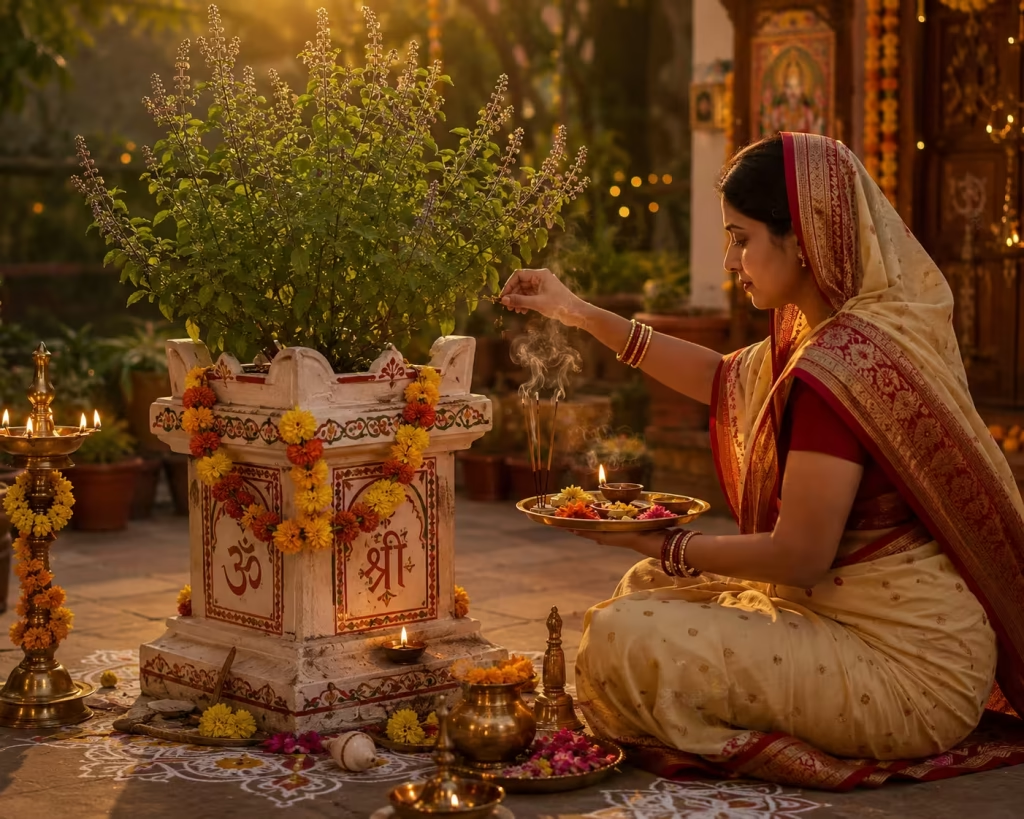
- Offer water to Tulsi
- Light incense
- Recite prayers
- Circumambulate the plant
This ritual symbolizes respect for nature and gratitude toward divine blessings.
Offering Tulsi Leaves
Tulsi leaves are commonly used in:
- Vishnu Puja
- Krishna Puja
- Satyanarayan Katha
- Ekadashi Worship
They are placed on offerings of food, flowers, and sacred water.
Sacred Tulsi Mala
Many devotees wear necklaces made from Tulsi wood, known as Tulsi Mala.
It is believed to:
- Protect the wearer
- Promote devotion
- Purify the mind
- Strengthen spiritual discipline
Tulsi malas are especially popular among devotees of Lord Krishna and Lord Vishnu.
Tulsi Vivah: The Sacred Marriage Ceremony
One of the most important festivals associated with Tulsi is Tulsi Vivah.
Celebrated on the eleventh day (Ekadashi) of the bright fortnight in the month of Kartik, Tulsi Vivah symbolizes the ceremonial marriage of Tulsi (Vrinda) with Lord Vishnu in the form of Shaligram.
Importance of Tulsi Vivah
- Marks the beginning of the Hindu wedding season.
- Symbolizes the union of devotion and divinity.
- Brings prosperity and happiness to families.
Homes and temples celebrate this festival with great devotion and joy.
Tulsi in Hindu Scriptures
Numerous Hindu scriptures praise the greatness of Tulsi.
Padma Purana
The Padma Purana states that the sight of Tulsi removes sins and grants spiritual merit.
Skanda Purana
According to the Skanda Purana, planting, watering, or worshipping Tulsi yields immense spiritual benefits.
Garuda Purana
The Garuda Purana mentions that Tulsi helps devotees attain liberation and divine blessings.
These scriptural references highlight Tulsi’s extraordinary status in Hindu tradition.
Medicinal Importance of Tulsi
Apart from its spiritual significance, Tulsi is also known as the “Queen of Herbs” in Ayurveda.
Health Benefits of Tulsi
Boosts Immunity
Tulsi strengthens the body’s natural defense system and helps fight infections.
Supports Respiratory Health
It is widely used for:
- Cough
- Cold
- Asthma
- Bronchitis
Reduces Stress
Tulsi is considered an adaptogenic herb that helps the body cope with stress and anxiety.
Improves Digestion
Tulsi promotes healthy digestion and supports gut health.
Purifies the Environment
Tulsi releases beneficial compounds into the atmosphere and is believed to improve air quality.
The medicinal value of Tulsi reinforces its sacred status in Indian culture.
Why Every Hindu Home Traditionally Has a Tulsi Plant
For centuries, Hindu families have planted Tulsi in their homes for both spiritual and practical reasons.
Spiritual Reasons
- Attracts divine blessings
- Enhances positive energy
- Promotes devotion
- Strengthens family harmony
Practical Reasons
- Medicinal benefits
- Natural air purification
- Insect-repellent properties
- Environmental sustainability
Thus, Tulsi serves both the soul and the body.
Symbolism of Tulsi in Hindu Philosophy
Tulsi symbolizes several important spiritual values:
Devotion (Bhakti)
Her story reflects unwavering devotion to the Divine.
Sacrifice
Vrinda’s sacrifice for righteousness is remembered through Tulsi worship.
Purity
Tulsi represents purity of heart and intention.
Divine Grace
She reminds devotees that sincere faith ultimately leads to divine blessings.
Environmental Message of Tulsi Worship
Tulsi worship also reflects Hinduism’s deep respect for nature.
By revering plants as sacred manifestations of the divine, Hindu traditions encourage:
- Environmental conservation
- Ecological awareness
- Respect for all living beings
Tulsi serves as a reminder that nature is not merely a resource but a sacred gift deserving protection and gratitude.
The sacredness of Tulsi in Hinduism extends far beyond mythology and ritual. She embodies devotion, purity, healing, prosperity, and divine grace. Through the story of Goddess Vrinda, Tulsi became eternally linked with Lord Vishnu and earned a revered place in Hindu homes and temples.
Whether worshipped as a goddess, used in religious ceremonies, worn as a Tulsi mala, or valued for her medicinal properties, Tulsi continues to inspire millions of devotees. Her presence symbolizes the harmony between spirituality, health, and nature—a timeless lesson that remains relevant even today.
For Hindus, Tulsi is not just a plant; she is a living embodiment of faith, devotion, and divine blessings, making her one of the most sacred symbols in Hinduism.